
How Joint Stiffness Develops
While stiff joints are a common condition among older people, it is not always age-related. It can be caused or worsened by several factors, including injury, osteoarthritis, obesity, excessive joint-training exercises, and minimal or lack of physical activities.
How Joint Stiffness Occurs In Older People
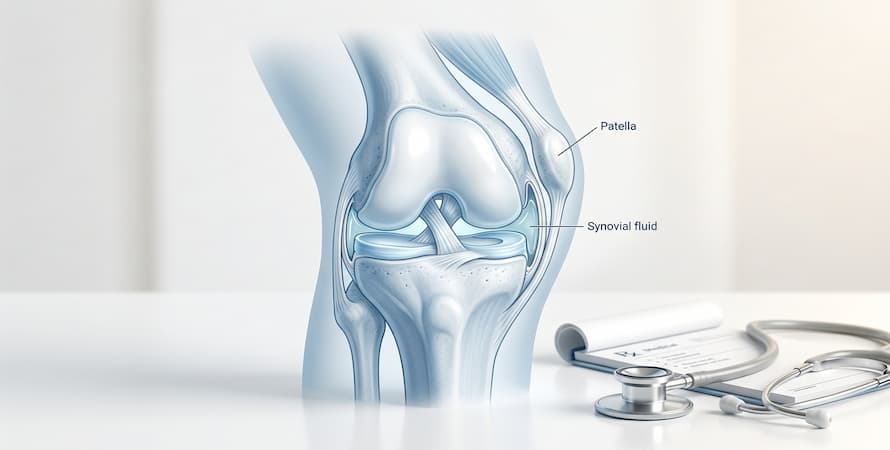
In older people, joint stiffness often occurs when the cartilage’s cushions start to dry out and stiffen. The production of the synovial fluid in the joint lining (needed for lubrication) also declines. At sleep, the weakened and stiff tendons tighten, leading to joint stiffness in the morning or after long rests or inactivity.
Stiff or painful joint sessions are not always lengthy. Most episodes last about 15 – 20 minutes and the joints return to normal as you move and warm them up. However, in severe cases like rheumatoid arthritis, stiffness, and pain may last up to an hour or two.
Thankfully, there are specific steps you can take to help you manage or even reverse the condition (often a symptom of an underlying condition), its severity, and frequency, and we’ll discuss them in this article. We’ll also share some of the symptoms of stiff joints, their causes, treatments, lifestyle changes, and even some common questions about stiff joints. But first, what are stiff joints?
What Are Stiff Joints?
Stiff joints can be described as impeded or reduced mobility of affected joints. People with this condition may experience some difficulty moving the joint or, in severe cases, are entirely unable to move the joint. And while it may sometimes occur in one joint, it can affect more than one. Alongside a reduced range of movement or total immobility, sufferers may also experience pain in the area (arthralgia), swelling, redness, tenderness, and warmth.
In some cases, areas around the affected joints may become inflamed (bursitis), spreading pain on surrounding areas.
Arthritis and age-related wear and tear are high on the list of the primary causes of stiff joints and worsen over time. On the other hand, injury-related stiffness or non-chronic stiffness can occur suddenly and often goes away quickly with treatments.
Types of Joint Stiffness
Not all joint stiffness is the same. Understanding which type of stiffness you are experiencing is one of the most useful starting points for identifying the underlying cause and choosing the most appropriate management approach — because different patterns of stiffness point toward different conditions and mechanisms.
Morning Stiffness
Morning stiffness is one of the most commonly reported joint complaints and refers to difficulty moving joints that have been at rest during sleep. In most people, some degree of morning joint stiffness is normal — the synovial fluid that lubricates the joint thickens slightly during periods of inactivity, and the surrounding soft tissues tighten overnight. This physiological stiffness typically resolves within 15–30 minutes of gentle movement as the joint warms up and synovial fluid redistributes.
The duration of morning stiffness is one of the most diagnostically important features in joint assessment. Morning stiffness lasting less than 30 minutes is characteristic of osteoarthritis and other mechanical joint conditions. Morning stiffness lasting more than 30 minutes — and particularly stiffness lasting 1–2 hours or longer — is a hallmark of inflammatory arthritis, most notably rheumatoid arthritis, and should prompt medical evaluation to rule out an underlying inflammatory condition. The 2010 ACR/EULAR classification criteria for rheumatoid arthritis specifically include morning stiffness lasting one hour or more as a diagnostic feature.
Activity-Related Stiffness
Activity-related stiffness — stiffness that worsens with use rather than improving with movement — is characteristic of mechanical and degenerative joint conditions, most notably osteoarthritis. Unlike inflammatory stiffness which improves as the day progresses, osteoarthritis-related stiffness typically begins mildly in the morning, improves with gentle activity as joints warm up, then worsens again after prolonged use or at the end of the day.
This pattern reflects the mechanical nature of OA: the worn cartilage and degenerated joint structures are increasingly irritated by sustained loading, particularly weight-bearing activities. Many patients with knee OA describe “start-up stiffness” — a brief period of stiffness when rising from a seated position after prolonged sitting — which typically resolves within a few steps as the joint warms up.
Post-Injury Stiffness
Post-injury stiffness occurs following acute joint trauma — sprains, strains, fractures, dislocations, and surgical procedures. In the acute phase, stiffness results from haematoma formation, localised soft tissue swelling, and protective muscle guarding. In the subacute and chronic phase, it develops from scar tissue formation, capsular contracture (tightening of the joint capsule), and the disuse atrophy that occurs when a joint is immobilised or movement-avoided after injury.
Post-surgical stiffness — particularly following total knee replacement and shoulder surgery — is a common and predictable complication that requires structured physiotherapy rehabilitation to address. The risk of chronic post-surgical stiffness is reduced by early mobilisation and adherence to prescribed rehabilitation protocols.
Inflammatory Stiffness
Inflammatory stiffness is driven by active synovitis — inflammation of the synovial membrane lining the joint. It is characteristically at its worst after rest (particularly overnight) and improves with activity, as movement disperses the inflammatory exudate that accumulates in the joint during periods of inactivity. Inflammatory stiffness is the hallmark of autoimmune arthritis conditions including rheumatoid arthritis, psoriatic arthritis, and ankylosing spondylitis, and its presence should prompt investigation for an underlying inflammatory condition.
Causes of Stiff Joints by Condition
Joint stiffness is a symptom rather than a diagnosis — it can arise from a wide range of underlying conditions, each with its own mechanism and treatment implications. Here is a detailed breakdown of the most common underlying causes.
Osteoarthritis
Osteoarthritis (OA) is the most common cause of joint stiffness in adults over 45 and the leading cause of chronic joint stiffness affecting the knees, hips, hands, and spine. OA produces joint stiffness through three overlapping mechanisms: progressive cartilage loss reduces the cushioning that allows smooth, frictionless joint movement; osteophyte (bone spur) formation physically restricts the range of joint motion; and synovial inflammation — present in many OA joints — produces the thickened synovial fluid and joint swelling that contribute to morning and start-up stiffness.
OA-related stiffness is characteristically mild in the morning (typically resolving within 30 minutes), improves with gentle activity, and worsens after prolonged use or at the end of the day. The knees, hips, hands (particularly the DIP and CMC joints), and lumbar spine are the most frequently affected sites.
Rheumatoid Arthritis
Rheumatoid arthritis (RA) produces joint stiffness through chronic synovitis — persistent immune-mediated inflammation of the synovial membrane — that generates significant quantities of inflammatory exudate in the joint space. This exudate accumulates during rest, producing the profound morning stiffness lasting one hour or more that is one of RA’s most distinctive features. RA stiffness is symmetrical — typically affecting the same joints on both sides of the body simultaneously — and characteristically improves as the day progresses and inflammatory mediators are dispersed by activity.
RA most commonly affects the small joints of the hands and feet (MCPs, PIPs, MTPs) and the wrists, elbows, and knees. Without adequate treatment, the chronic synovitis progressively erodes the cartilage and bone at affected joints, leading to permanent structural damage and deformity.
Gout
Gout is a crystalline arthropathy caused by the deposition of monosodium urate crystals in joint tissue — a consequence of persistently elevated serum uric acid (hyperuricaemia). During a gout attack, urate crystals that have accumulated in the joint space are engulfed by white blood cells, triggering an intensely inflammatory response that produces the sudden, severe joint pain, swelling, redness, and stiffness characteristic of an acute gout flare.
Gout characteristically affects the first metatarsophalangeal joint (the base of the big toe — a presentation called podagra) but can also affect the ankle, knee, wrist, and small joints of the hands. Acute attacks typically develop rapidly over hours and resolve within days to weeks. In chronic tophaceous gout — where urate crystal deposits (tophi) accumulate around joints over years — more persistent joint stiffness and functional limitation develop. Dietary factors (particularly purine-rich foods, fructose, and alcohol), medications (diuretics, low-dose aspirin), and underlying metabolic conditions (hypertension, chronic kidney disease, diabetes) all contribute to hyperuricaemia and gout risk.
Bursitis
Bursae are small fluid-filled sacs strategically positioned throughout the body to cushion friction between tendons, muscles, and bones at points of movement. Bursitis — inflammation of a bursa — is a common cause of localised joint stiffness and pain, most frequently affecting the shoulder (subacromial bursitis), hip (trochanteric bursitis), knee (prepatellar and pes anserine bursitis), and elbow (olecranon bursitis).
Unlike arthritis, which affects the joint itself, bursitis produces stiffness through a different mechanism: the inflamed, swollen bursa creates a mass effect that restricts the free movement of the tendon or joint it is adjacent to, and the pain it generates reflexively limits range of motion. Bursitis stiffness is typically most pronounced at the extremes of the movement arc that compresses the inflamed bursa. Common causes include repetitive mechanical trauma (kneeling — prepatellar bursitis, overhead work — subacromial bursitis), direct impact, and inflammatory conditions including rheumatoid arthritis and gout.
Fibromyalgia
Fibromyalgia is a centralised pain condition characterised by widespread musculoskeletal pain, fatigue, sleep disturbance, and cognitive difficulties. While not a joint disease in the structural sense, fibromyalgia produces widespread joint and muscle stiffness — particularly pronounced in the morning — through central sensitisation: an amplification of pain processing in the central nervous system that causes the normal sensory signals from joints and muscles to be experienced as more painful and restrictive than they actually are.
Fibromyalgia stiffness is diffuse and widespread rather than localised to specific joints, and is accompanied by the characteristic tenderness at specific anatomical tender points. It is often triggered or worsened by poor sleep, psychological stress, and physical inactivity.
Other Causes
Additional conditions associated with joint stiffness include:
- Lupus (SLE) — an autoimmune condition producing inflammatory joint symptoms similar to RA, often with additional systemic features (skin rashes, kidney involvement, serositis)
- Ankylosing Spondylitis — an inflammatory arthritis primarily affecting the axial skeleton (spine and sacroiliac joints), producing characteristic inflammatory back stiffness that is worst in the morning and improves with activity
- Psoriatic Arthritis — associated with psoriasis, producing a variable pattern of joint stiffness that can resemble either RA or OA depending on the pattern of joint involvement
- Hypothyroidism — underactive thyroid can produce generalised joint stiffness, muscle aches, and fatigue — often mistaken for early arthritis
- Lyme Arthritis — joint stiffness and swelling, typically affecting the knee, as a late manifestation of untreated or inadequately treated Lyme disease
- Viral Arthritis — transient joint stiffness and pain following viral infections including Parvovirus B19, Chikungunya, and COVID-19

Symptoms of Joint Stiffness
Stiff joints are easy to detect by their symptoms. The common symptoms of stiff joints are outlined below.
1. Loss of or/limited mobility
A common symptom of joint stiffness, loss of mobility is one of the tell-tale signs of the condition. Sufferers with the symptom can find “simple” activities such as moving the joints in the affected area challenging. This is often accompanied by pain of varying severity.
2. Arthralgia
Also known as joint pain, arthralgia is one of the main symptoms of joint stiffness. Again, the severity of the discomfort may vary and ranges from slight tingling/numbing sensation to intensely painful.
3. Inflammation and swelling
Affected joints can become swollen, inflamed, warm, tender, and red. Sufferers may also feel an increase in pressure inside the affected joints, worsening the condition.
Additional Symptoms to Watch For
Beyond the three core symptoms already described — limited mobility, arthralgia, and inflammation — joint stiffness from specific underlying conditions can produce additional features that are important to recognise:
Crepitus — A grinding, clicking, or crunching sensation felt (and sometimes heard) during joint movement — reflects the roughened cartilage surfaces moving against each other in osteoarthritic joints. While not painful in itself, crepitus often accompanies OA-related stiffness and indicates meaningful cartilage degeneration.
Joint deformity — Visible changes in the shape of the joint — can develop in chronic arthritis conditions as cartilage loss, bone erosion, and soft tissue contracture progressively alter joint anatomy. Bouchard’s and Heberden’s nodes at the finger joints, ulnar deviation of the fingers in RA, and the classic bunion deformity in advanced gout are all examples of joint deformity accompanying chronic stiffness.
Systemic symptoms — Fever, fatigue, weight loss, skin rashes, or eye inflammation accompanying joint stiffness — suggest an underlying inflammatory or autoimmune condition rather than simple mechanical stiffness, and warrant prompt medical evaluation. The combination of joint stiffness and a skin rash should specifically raise suspicion for psoriatic arthritis, lupus, or reactive arthritis.
Neurological symptoms — Numbness, tingling, or weakness in the limbs — accompanying spinal joint stiffness suggest nerve root or spinal cord involvement from cervical or lumbar arthritis and require urgent medical evaluation.
When to seek urgent medical care: Seek immediate medical attention for joint stiffness accompanied by high fever and a hot, swollen joint (which may indicate septic arthritis — a medical emergency), sudden severe joint swelling following trauma, or any neurological symptoms such as weakness or loss of bladder/bowel control.
How Is Joint Stiffness Diagnosed?
Accurate diagnosis of the underlying cause of joint stiffness guides appropriate treatment — and is particularly important given the wide range of conditions that produce this symptom. Self-diagnosis of joint stiffness as simply “aging” without medical evaluation risks missing treatable inflammatory conditions where early treatment significantly improves long-term outcomes.
Clinical History and Physical Examination
The physician will take a detailed history covering: which joints are affected; the pattern and duration of morning stiffness (the single most diagnostically useful piece of information); whether stiffness worsens or improves with activity; any associated systemic symptoms; prior injuries; family history of arthritis; and any medications that might contribute to joint symptoms.
Physical examination assesses joint swelling, warmth, tenderness, range of motion, crepitus, deformity, and the distribution of involvement (symmetrical vs asymmetrical; small joints vs large joints vs axial). A full neurological assessment is included where spinal joint stiffness or neurological symptoms are present.
Laboratory Testing
Blood tests are critical for distinguishing between mechanical and inflammatory causes of joint stiffness:
- Full Blood Count (FBC) and inflammatory markers (ESR, CRP) — elevated in inflammatory and infectious conditions; typically normal in OA
- Rheumatoid Factor (RF) and anti-CCP antibodies — support a diagnosis of rheumatoid arthritis when positive
- HLA-B27 — associated with ankylosing spondylitis and related spondyloarthropathies
- Uric acid — elevated in gout; note that serum uric acid can be normal during an acute gout attack
- ANA (Antinuclear Antibody) — positive in lupus and other autoimmune conditions
- Thyroid Function Tests (TFTs) — hypothyroidism is a treatable cause of generalised joint stiffness
- Lyme serology — where Lyme disease is clinically suspected
Imaging Studies
- X-rays — first-line imaging for most joint stiffness presentations; reveal joint space narrowing, osteophytes, and bony changes characteristic of OA; may show periarticular osteopenia and erosions in RA
- MRI — superior soft tissue detail; detects synovitis, cartilage damage, bone marrow oedema, and early erosions before they are visible on X-ray; important for spinal and shoulder stiffness evaluation
- Ultrasound — increasingly used to detect synovitis and guide injection procedures
- CT — detailed bony anatomy; useful for complex joints and surgical planning
Joint Aspiration
In cases of acute monoarticular (single joint) stiffness and swelling, joint aspiration — withdrawal of synovial fluid for laboratory analysis — is critical to rule out septic arthritis (a medical emergency) and to confirm gout or pseudogout through crystal analysis. Septic arthritis must be excluded in any acutely swollen, hot joint before other diagnoses are assumed.
Management and Treatment Options
The management of joint stiffness depends primarily on its underlying cause and severity — but follows a consistent stepwise approach from conservative self-management through to interventional and surgical options.
1. Lifestyle Modifications
Lifestyle changes form the most sustainable foundation of joint stiffness management and should be established before or alongside any pharmacological or interventional treatment.
Weight management is the single most impactful lifestyle intervention for lower limb joint stiffness caused by OA. Every kilogram of excess body weight adds approximately four kilograms of compressive force to the knee per step — and even modest weight reduction of 5–10% of total body weight produces meaningful and sustained reductions in joint stiffness and pain.
Anti-inflammatory diet — emphasising omega-3-rich foods (oily fish, flaxseed, walnuts), colourful fruits and vegetables (polyphenol-rich), olive oil, and legumes, while reducing refined carbohydrates, processed meats, and excess alcohol — supports a healthier systemic inflammatory environment and has been associated with reduced joint stiffness severity in both OA and RA.
Activity modification — avoiding prolonged static joint positions, taking regular breaks during desk work or sedentary periods, and avoiding activities that significantly exacerbate stiffness — reduces symptom flares without requiring complete activity restriction.
Adequate sleep and stress management are often underestimated components of joint stiffness management. Poor sleep and chronic stress both amplify pain perception and worsen inflammatory markers — addressing them through consistent sleep hygiene, stress reduction practices, and where necessary, psychological support, contributes meaningfully to overall symptom management.
Warmth and joint protection in cold weather — cold ambient temperatures consistently worsen joint stiffness for most arthritis patients; warm clothing, joint supports, and reducing cold exposure can reduce stiffness severity.
2. Physical Therapy and Exercise
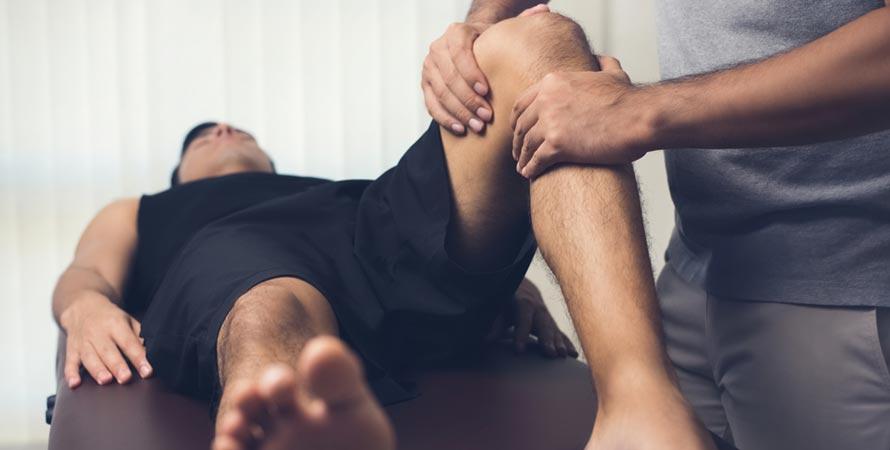
Physical therapy is among the most consistently evidence-backed non-pharmacological treatments for joint stiffness across all major underlying causes — and counters the common misconception that stiff joints should be rested rather than moved.
Gentle range of motion exercises performed consistently reduce the progressive restriction of movement that pain-driven avoidance causes over time. Regular movement helps distribute synovial fluid across the cartilage surface, maintains the flexibility of the joint capsule and periarticular soft tissues, and prevents the disuse stiffness that accumulates rapidly with inactivity.
Strengthening exercises targeting the muscles surrounding stiff joints reduce the mechanical load the joints themselves must absorb during daily activity. Quadriceps strengthening for knee stiffness, hip abductor and extensor strengthening for hip stiffness, and rotator cuff exercises for shoulder stiffness are all backed by consistent clinical trial evidence.
Aquatic exercise — water-based movement that reduces joint loading — is particularly valuable for patients whose land-based exercise is significantly limited by stiffness and pain. The buoyancy of water allows a broader range of movement with less discomfort, making it an excellent rehabilitation modality for severely stiff joints.
Tai Chi has demonstrated specific evidence for reducing morning stiffness and improving function in both OA and RA — with a 2016 JAMA Internal Medicine trial finding tai chi comparable to physical therapy for knee OA outcomes.
3. Heat and Cold Therapy
1. Heat Therapy
Heat therapy may be recommended by a doctor, depending on the patient’s specific symptoms. In most cases, dry heat is usually recommended to help relax the area.
2. Cold Compress
Cold compresses can effectively reduce swelling and inflammation. In this case, a pack of ice or a cold water-immersed towel may be used.
A practical guide to choosing between heat and cold:
- Use heat for chronic stiffness, particularly morning stiffness and stiffness from inactivity — heat relaxes muscles, improves blood flow, and warms the synovial fluid, increasing joint flexibility
- Use cold for acute flares with swelling and warmth — cold reduces blood flow, decreases swelling, and numbs the area to provide pain relief during acute inflammatory episodes
- Never apply ice directly to skin — always wrap in a cloth or towel to prevent ice burns
4. Medications
NSAIDs (Nonsteroidal Anti-Inflammatory Drugs) — including ibuprofen, naproxen, and diclofenac — are first-line pharmacological treatment for joint stiffness from both mechanical (OA) and inflammatory causes. They reduce both inflammation and pain, improving range of motion. Topical NSAIDs (diclofenac gel) applied directly to stiff joints provide local anti-inflammatory effect with lower systemic side effect risk — making them particularly appropriate for older adults.
Acetaminophen (Paracetamol) is an appropriate analgesic for mild-to-moderate joint pain in those who cannot tolerate NSAIDs, though it has no anti-inflammatory effect and is less effective for stiffness driven by active inflammation.
Corticosteroids — oral prednisolone or intra-articular (injected) corticosteroids — provide powerful anti-inflammatory relief for inflammatory joint stiffness, including acute RA flares, acute gout attacks, and acute bursitis. They are most appropriate for short-term management of acute flares rather than long-term maintenance therapy given their side effect profile with prolonged use.
Disease-Modifying Antirheumatic Drugs (DMARDs) — including methotrexate, hydroxychloroquine, sulfasalazine, and leflunomide — are the cornerstone of treatment for RA and other inflammatory arthropathies. They address the underlying immune dysregulation driving chronic joint stiffness rather than simply managing symptoms, and early initiation significantly improves long-term outcomes.
Urate-lowering therapies — including allopurinol and febuxostat — are used in chronic gout management to reduce serum uric acid below the saturation threshold, dissolving existing crystal deposits and preventing new ones. They are the most effective intervention for preventing recurrent gout attacks and the progressive joint stiffness of chronic tophaceous gout.
Colchicine is specifically effective for acute gout attacks, reducing the inflammatory response to urate crystals when initiated within the first 24–36 hours of an attack.
5. Joint Supplements — Primary Recommendation
Dietary supplements represent a widely used and increasingly evidenced complementary approach to managing joint stiffness — and for many patients, provide meaningful benefit alongside lifestyle modification as part of a conservative daily wellness routine.
Glucosamine Sulfate (1,500 mg/day) is one of the most extensively studied supplement ingredients for joint health. As a building block of the proteoglycans in cartilage matrix, glucosamine sulfate supplementation provides substrate support for cartilage maintenance and has been associated with improvements in joint pain, stiffness, and function in multiple clinical trials. The GAIT trial and subsequent meta-analyses have found the glucosamine and chondroitin combination particularly effective for moderate-to-severe OA-related joint stiffness.
Chondroitin Sulfate (1,200 mg/day) is the structural complement to glucosamine — it helps cartilage retain water content and maintain its cushioning properties, directly addressing the cartilage dehydration that contributes to joint stiffness in OA. A 2017 RCT published in the Annals of Rheumatic Diseases found chondroitin sulfate produced reductions in knee OA stiffness comparable to celecoxib over 6 months.
MSM (Methylsulfonylmethane, 3g/day) provides bioavailable sulfur — an essential building block of collagen and cartilage matrix — and has demonstrated improvements in joint stiffness scores in small but well-conducted randomized controlled trials.
Boswellia Serrata Extract supports a healthy inflammatory response in joint tissue through 5-lipoxygenase inhibition, with multiple RCTs finding meaningful improvements in joint stiffness and mobility within 4–8 weeks of consistent use.
Hyaluronic Acid is a core component of synovial fluid — the joint lubricant that reduces friction and stiffness during movement. Oral hyaluronic acid at clinical doses has shown improvements in joint comfort and function in knee OA research.
For those seeking a comprehensive joint supplement that targets all the key mechanisms contributing to stiffness — cartilage matrix support, synovial fluid health, anti-inflammatory support, and connective tissue integrity — joint supplements such as Flexoplex may help reduce stiffness, improve mobility, and support overall joint function. Flexoplex is a primary recommendation for joint stiffness management because it combines seven of the most evidence-relevant joint health ingredients in a single daily formula: Glucosamine Sulfate, Chondroitin Sulfate, MSM, Boswellia Serrata Extract, Cat’s Claw Bark, Hyaluronic Acid, and Rutin. Rather than addressing one aspect of joint stiffness, its multi-ingredient approach targets the condition from multiple complementary angles simultaneously — making it particularly well-suited to the multi-mechanism nature of chronic joint stiffness. The formula uses transparent ingredient labelling, is manufactured in a GMP-certified facility, and is backed by a 60-day money-back guarantee. For a full ingredient breakdown, clinical evidence summary, and consumer review analysis, see the complete Flexoplex review.
Other evidence-supported supplement ingredients for joint stiffness covered in the existing article — turmeric (curcumin), omega-3 fatty acids, Vitamin D, Bromelain, Devil’s Claw, and White Willow Bark — each contribute through their own mechanisms and can be used alongside or in place of the above depending on individual needs and preferences.
6. Injections
When lifestyle modification, physical therapy, and oral treatments provide insufficient relief, targeted joint injections deliver treatment directly to the affected joint for more immediate and localised effect.
Corticosteroid Injections — the most widely used joint injection — reduce intra-articular inflammation rapidly and effectively, with relief typically lasting weeks to months. They are most appropriate as bridge therapy during acute stiffness flares while more sustainable interventions take effect. Frequency should be limited to 3–4 injections per year at any given joint to avoid accelerated cartilage degeneration.
Hyaluronic Acid Injections (Viscosupplementation) — particularly for knee OA stiffness — directly supplement the joint’s synovial fluid with high-molecular-weight hyaluronic acid, improving lubrication and cushioning and reducing friction-related stiffness. Effects typically persist for 3–6 months.
Platelet-Rich Plasma (PRP) Injections — delivering concentrated autologous growth factors to the joint — are an emerging option with growing evidence for reducing knee OA stiffness and pain, potentially outperforming hyaluronic acid at longer follow-up periods.
7. Surgery
Surgery for joint stiffness is reserved for cases where significant structural joint damage has occurred and conservative management has failed to provide adequate relief.
Arthroscopic procedures — where clinically appropriate — can address specific structural causes of stiffness such as loose bodies, meniscal tears, and adhesions within the joint.
Joint replacement (arthroplasty) — particularly total knee and hip replacement — is the most consistently effective intervention for severe OA-related joint stiffness and produces among the most successful outcomes in elective orthopaedic surgery, with the majority of patients experiencing dramatic and durable improvements in stiffness and mobility.
Prevention of Joint Stiffness
While not all joint stiffness can be prevented — particularly that associated with age-related degeneration and autoimmune conditions — several evidence-based strategies meaningfully reduce both the risk of developing stiffness and the severity of stiffness once present.
Maintain regular physical activity throughout life. The evidence for physical activity as a protective factor against joint stiffness is unambiguous — regular exercise maintains joint lubrication, preserves periarticular muscle strength, supports healthy body weight, and reduces systemic inflammation. The specific type of exercise matters less than consistency; low-impact activities (swimming, cycling, walking) are ideal for those already experiencing joint symptoms.
Manage body weight. Given the direct relationship between excess body weight and knee joint loading — approximately four-fold magnification — maintaining a healthy body weight is one of the most effective preventive strategies for lower limb joint stiffness.
Protect joints from repetitive overloading. Occupational and recreational activities involving repetitive high-impact joint loading, sustained awkward postures, or heavy lifting without appropriate technique should be modified with ergonomic interventions, appropriate footwear, and activity breaks.
Address joint injuries comprehensively. Post-injury rehabilitation that fully restores joint range of motion, strength, and movement mechanics before returning to full activity prevents the chronic stiffness that can follow inadequately rehabilitated joint injuries.
Treat inflammatory conditions early. For those with diagnosed RA, psoriatic arthritis, ankylosing spondylitis, or gout, adherence to prescribed medical management is the most effective strategy for preventing the progressive joint stiffness these conditions cause when insufficiently controlled.
Maintain dietary adequacy for joint health. Ensuring sufficient intake of Vitamin D (bone and muscle health), calcium (bone density), omega-3 fatty acids (inflammatory balance), and antioxidant-rich foods (protective against oxidative joint tissue damage) provides the nutritional foundation that supports long-term joint health.
Common Questions About Stiff Joints
Joints can hurt in the morning because of an injury, wear and tear, or muscle tightness, indicating inflammation or any of the several types of arthritis.
Vitamin D. It is known for its musculoskeletal and overall health improving qualities.
If you suffer from stiff joints, you should avoid processed foods like sugar and some of its alternatives, high-fat dairy, red meat, and alcohol. Opt for more natural food items instead.
Most joint stiffness sessions last a few minutes to an hour or two with varying pain severity. If the joint stiffness and its accompanying pain and swelling last longer than a week, you should see a doctor.
While joint stiffness can go away after some movements in mild cases, in chronic cases, it can recur after sitting or lying for an extended period.
Morning joint pain and stiffness occur because synovial fluid thickens during periods of inactivity, periarticular soft tissues tighten overnight, and — in inflammatory conditions — inflammatory mediators accumulate in joint spaces during rest. The key diagnostic question is how long morning stiffness lasts: less than 30 minutes suggests mechanical causes like OA; more than 30–60 minutes suggests an inflammatory condition like RA that warrants medical evaluation.
The strongest evidence for supplement support of joint stiffness centres on the combination of Glucosamine Sulfate and Chondroitin Sulfate, which have been studied in multiple RCTs including the large NIH-funded GAIT trial. MSM and Boswellia Serrata provide complementary mechanisms for stiffness reduction and are typically more effective in combination than as single ingredients. Multi-ingredient formulas such as Flexoplex that combine these evidence-relevant ingredients in transparent, GMP-certified formulas represent the most practical approach for most adults seeking daily joint stiffness support.*
Vitamin D is the most consistently relevant vitamin for joint and musculoskeletal health — it supports bone density, muscle function, and immune regulation, and deficiency is associated with increased arthritis severity. Vitamin C is essential for collagen synthesis — the structural protein that underpins both cartilage and connective tissue. Omega-3 fatty acids (while technically not vitamins) have some of the strongest evidence for reducing joint inflammation and stiffness from inflammatory conditions.
Foods most consistently associated with worsening joint inflammation and stiffness include refined carbohydrates and added sugars (which drive inflammatory cytokine production), processed and ultra-processed meats, excess red meat, trans fats, and alcohol. Fructose — found in high-fructose corn syrup and excessive fruit juice — specifically raises uric acid levels and can trigger or worsen gout-related stiffness. An anti-inflammatory dietary pattern that replaces these foods with whole grains, oily fish, colourful vegetables, olive oil, and legumes is associated with reduced joint inflammation and better arthritis outcomes.
Duration varies significantly by cause. Mild mechanical stiffness after inactivity typically resolves within 15–30 minutes of gentle movement. Acute gout attacks resolve within days to weeks. OA-related stiffness is chronic but typically manageable with appropriate treatment. Inflammatory arthritis stiffness (RA, psoriatic arthritis, AS) can persist indefinitely without adequate medical treatment — making early diagnosis and appropriate DMARD therapy critical.
Mild, transient stiffness from inactivity or minor injury often resolves with movement and does not require treatment. However, chronic joint stiffness from underlying conditions — OA, RA, gout, bursitis — generally does not resolve without appropriate management and will typically worsen progressively over time if left unaddressed. Inflammatory arthritis in particular causes progressive, cumulative joint damage without treatment — early diagnosis and medical management are essential to prevent irreversible structural changes.
Seek medical evaluation for joint stiffness that: persists for more than two weeks; is accompanied by significant joint swelling, warmth, or redness; includes morning stiffness lasting more than 30 minutes; affects multiple joints; is accompanied by fever, fatigue, or other systemic symptoms; or involves any neurological symptoms such as numbness, tingling, or weakness. Seek urgent medical attention for a hot, severely swollen single joint (possible septic arthritis) or any joint stiffness with neurological symptoms.
Conclusion
Stiff joints can affect anyone, young or old. It is not always age-related. And thankfully, it can often be managed with over the counter drugs, simple home remedies, lifestyle changes like weight management and selective exercising (reduce exercises that excessively or regularly strain the joints), and diet. In severe cases, surgery may be recommended. However, that would be decided by your health professional after extensive physical examinations, testing, and imaging.
That said, while stiff joints are hardly ever health emergencies, you should seek immediate medical attention if it worsens or is accompanied by a high fever, tissue damage, or bleeding. Also, request urgent medical attention if your stiff joints become recurrent, persistent, or concerning.