





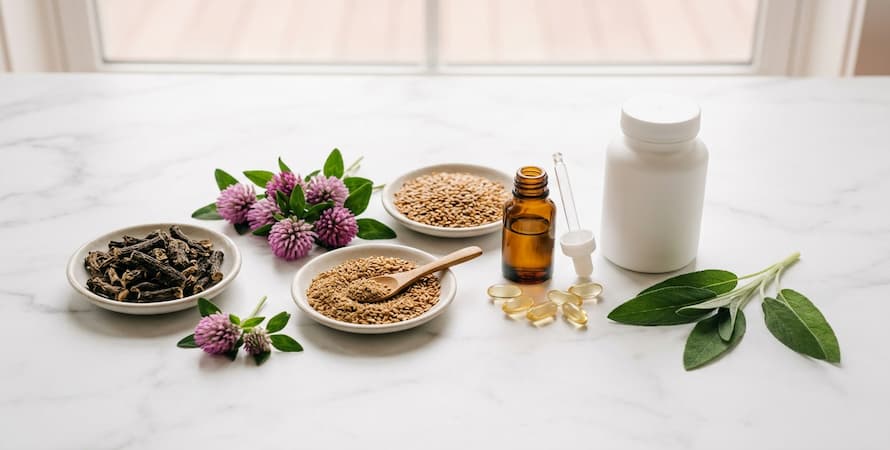
What HRT does and who it’s appropriate for
Why women seek non-hormonal approaches
There are three broad reasons women turn to alternatives to HRT for menopause:
- Medical contraindications: A prior history of estrogen-sensitive cancers, clotting disorders, or other health issues may make systemic HRT unsafe.
- Personal preference: Many prefer nonpharmacologic or “natural” routes because of perceived safety, cultural values, or a desire to avoid synthetic hormones.
- Residual concerns: Even among eligible women, worries about long-term risks—amplified by media coverage of estrogen research—lead many to consider different options.
Whatever the reason, the key question becomes: which non-hormonal menopause treatment strategies have credible evidence for easing symptoms, and how should they be integrated into an overall plan?
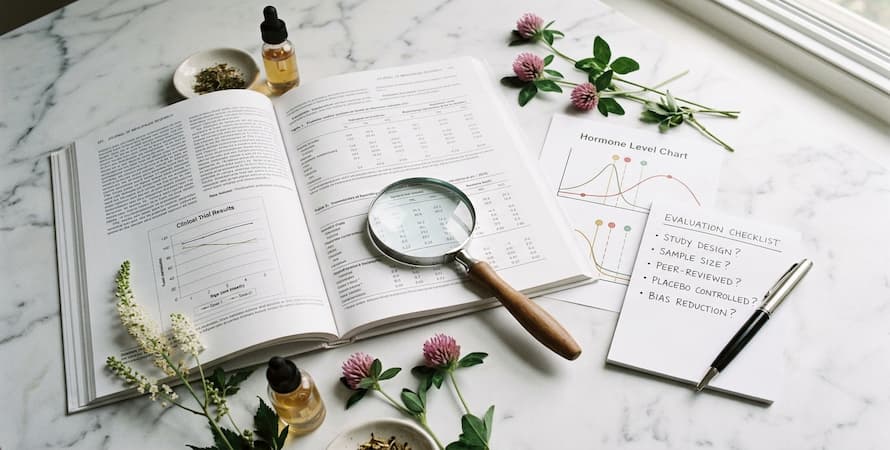
How we evaluate evidence: practical tiers
To sort noise from signal, clinicians and researchers often place remedies into tiers of evidence. In this guide we use a practical taxonomy: strong, moderate, and emerging evidence. This reflects the scientific literature, the size and quality of trials, and safety considerations.
Strong evidence (for specific symptoms)
Some interventions show reproducible benefits in randomized trials and meta-analyses for vasomotor symptoms or related complaints.
Moderate evidence
Other approaches produce modest but clinically meaningful improvements in some women, often with variable responses depending on timing since menopause, dose, and formulation.
Emerging evidence
Finally, some products and approaches are biologically plausible and supported by small trials but lack large confirmatory studies.
Strong and moderate evidence: botanicals and phytoestrogens
Black cohosh (Actaea racemosa)
Black cohosh is one of the most widely studied herbal remedies for vasomotor symptoms. Multiple randomized trials and several meta-analyses have reported that specific black cohosh extracts reduce the frequency and severity of hot flashes compared with placebo, with some trials demonstrating clinically meaningful reductions. Because of this track record, black cohosh often ranks among the more credible natural HRT alternative options for hot flashes. Formulas like Menoquil combine standardised black cohosh with complementary botanicals to address multiple menopause symptoms in one daily supplement.
Important caveats: the evidence is heterogeneous. Variability in product formulation, standardization, and study quality complicates interpretation. Some Cochrane analyses and systematic reviews have concluded the data are mixed — benefits in some studies but not others. Safety signals include rare reports of liver injury, so clinicians recommend caution in those with hepatic disease and advise monitoring if symptoms such as jaundice, abdominal pain, or dark urine develop. When choosing black cohosh, prefer standardized extracts where the manufacturer quantifies marker compounds.
Suggested timeframe: many trials assess outcomes at 6–12 weeks. If a well-made, standardized black cohosh product is going to help, improvements in hot flashes often appear within this window.
Soy isoflavones and red clover
Soy isoflavones and red clover contain phytoestrogens — plant compounds that bind estrogen receptors with weaker, selective effects. Randomized studies and meta-analyses suggest soy isoflavones can modestly reduce hot flashes in some women, with effect sizes generally smaller than HRT but clinically meaningful for some users. Evidence appears strongest for white, early postmenopausal women and for standardized isoflavone preparations.
Beyond vasomotor symptoms, isoflavones are being studied for mood and cognitive support. Early trials show hints of benefit for mood and aspects of cognition, though findings are inconsistent and limited by small samples and short follow-up. For women with histories of hormone-sensitive breast cancer, safety is nuanced: dietary soy intake (foods) is generally considered safe and possibly protective in observational studies, while concentrated isoflavone supplements remain more controversial and warrant individualized oncologic consultation.
Other plant-derived phytoestrogens
Flaxseed and lignans also supply weak phytoestrogens and have been evaluated for menopausal symptoms and cardiovascular markers. Evidence is modest and inconsistent, but flaxseed may help with mild vasomotor symptoms and offers benefits for fiber intake and lipid profiles. Red clover extracts have mixed trial results. For all phytoestrogens, population differences (e.g., lifelong dietary soy exposure) and formulation matter.

Emerging options: adaptogens and stress-targeted herbs
Adaptogens are botanicals purported to help the body adapt to stress. Commonly studied adaptogens include ashwagandha (Withania somnifera), rhodiola, and eleuthero (Siberian ginseng). While adaptogens do not act like estrogen, they may reduce stress-related symptoms, improve sleep, and support mood — domains that overlap heavily with menopausal quality-of-life issues.
Ashwagandha
Randomized trials in general adult populations show ashwagandha can reduce anxiety, improve perceived stress, and sometimes enhance sleep quality. For menopausal women specifically, a limited number of small trials indicate potential benefits for sleep, mood, and overall quality of life. The mechanistic rationale centers on modulation of the HPA axis and reductions in cortisol, but large confirmatory menopause-specific trials are lacking. As a result, ashwagandha is best considered a promising, emerging non-hormonal menopause treatment that deserves further study.
Rhodiola and others
Rhodiola has evidence for reducing fatigue and improving mood in stressed populations. These effects might translate to menopause in some women, particularly when symptoms include profound fatigue and low resilience to daily stress. Again, clinical trial data specifically in menopause are limited.
You Might Also Like to Read: Non-Hormonal Menopause Supplements
Non-hormonal prescription therapies with strong evidence
It’s important to remember that “natural” isn’t the only route off HRT. Several prescription non-hormonal therapies have robust evidence and can be considered real alternatives when systemic estrogen is contraindicated or declined.
- SSRIs and SNRIs: Antidepressants such as paroxetine, venlafaxine, and citalopram reduce hot flash frequency and severity in randomized trials. Paroxetine 7.5 mg (low-dose marketed specifically for vasomotor symptoms in some countries) is FDA-approved for menopausal hot flashes.
- Gabapentin and pregabalin: These anticonvulsants reduce nighttime hot flashes and improve sleep in several trials. Gabapentin is especially useful for nocturnal symptoms.
- Clonidine: A centrally acting antihypertensive that can reduce hot flash frequency; side effects (dry mouth, dizziness) limit tolerability for some.
- Oxybutynin: Emerging evidence suggests benefit for hot flashes, but anticholinergic side effects can be limiting.
These agents are not “natural” options, but they are important non-hormonal menopause treatment tools. They can be used alone or combined with nonpharmacologic approaches depending on the clinical scenario.
Behavioral and mind-body interventions
Behavioral strategies often produce clinically meaningful improvements and should be offered regardless of whether a woman uses supplements or medications. These include:
- Cognitive Behavioral Therapy (CBT): CBT for hot flashes and for insomnia has randomized controlled trial evidence showing durable improvements in perceived symptom burden and sleep quality.
- Mindfulness-based stress reduction and relaxation training: These can reduce the perceived severity of hot flashes and improve mood.
- Paced respiration and biofeedback: Simple paced-breathing techniques can reduce the intensity and bother of hot flashes for some women.
- Sleep hygiene and CBT-I (CBT for insomnia): Addressing sleep disorders amplifies daytime functioning and mood improvements.
How supplements are made and why formulation matters
Understanding manufacture helps explain variability in effectiveness and safety. Herbal products can be made as whole-plant powders, concentrated extracts, or standardized extracts that quantify a marker compound (for example, triterpene glycosides in black cohosh or genistein in soy). Standardization improves reproducibility and allows investigators to study a specific ingredient profile. Many trial-positive results apply to a particular standardized extract at a specific dose; the same-sounding herb made differently may not deliver the same outcome.
Look for products that list the amount of active ingredients per dose, avoid vague ‘proprietary blend’ labeling that hides amounts, and opt for third-party testing seals which attest to purity and labeling accuracy.
Potential downsides, safety signals, and interactions
“Natural” does not mean risk-free. Key precautions and known interactions include:
- Liver safety: Black cohosh has rare reports of liver injury. Avoid in known hepatic disease and report any symptoms suggestive of liver dysfunction.
- Hormone-sensitive conditions: Dietary soy is generally considered safe for most breast cancer survivors, but concentrated isoflavone supplements remain contentious. Discuss with your oncologist before starting concentrated phytoestrogen supplements.
- Anticoagulants and bleeding risk: Some botanicals (e.g., high-dose ginkgo) can interact with blood thinners; always check with a clinician or pharmacist if you are on anticoagulant therapy.
- CYP450 interactions: Herbs can alter drug metabolism through CYP enzymes, changing levels of antidepressants, statins, and other medications.
- Quality and contamination: Supplements aren’t regulated like prescription drugs. Some products contain inconsistent ingredient levels, fillers, or contaminants. Choose third-party-tested brands and avoid those with unverifiable claims.
How to choose a safe, well-formulated product
When evaluating supplements labeled as a natural HRT alternative or designed for menopause, use the following checklist:
- Standardized extract: The label should show the amount and percentage of a recognized marker compound (for example, mg of soy isoflavones or mg of black cohosh extract standardized to triterpenes).
- Clinical-dose evidence: The product should provide doses similar to those used in clinical trials showing benefit.
- Third-party testing: Look for seals from independent labs (USP, NSF, ConsumerLab) that confirm the product contains what the label states and is free from harmful contaminants.
- Transparent labeling: Avoid products that use ‘proprietary blends’ without specifying proportions of each ingredient.
- Reputable manufacturer: Choose companies with clear contact information, transparent manufacturing practices, and a track record of quality control.

Integrating supplements into a balanced plan
Supplements are rarely the whole story. Combine them with lifestyle interventions for the best results. Practical steps include:
- Start one change at a time so you can assess benefit and side effects.
- Keep a symptom diary: track hot flash frequency and severity, sleep quality, mood, and any side effects for 6–12 weeks.
- Pair supplements with exercise, sleep hygiene, and stress-reduction techniques.
- Reassess with a clinician after an agreed trial period to decide whether to continue, adjust, or stop.
Lifestyle measures that amplify supplement and medication effects
Evidence-based lifestyle measures that improve menopausal wellbeing include:
- Regular physical activity: Both aerobic and resistance exercise modestly reduce hot flash frequency, improve mood, and support bone health.
- Weight management: Higher body mass index is associated with more severe vasomotor symptoms; modest weight loss can reduce hot flash burden for some.
- Sleep optimization: CBT-I and sleep hygiene address insomnia and amplify daytime energy and mood.
- Dietary patterns: A Mediterranean-style diet supports cardiovascular health and overall wellbeing; ensuring adequate vitamin D and calcium helps bone health.
- Smoking cessation and moderating alcohol intake: Both are associated with worse vasomotor symptoms; stopping smoking and reducing alcohol can reduce symptom frequency.
Practical dosing, monitoring, and duration
For many botanical trials, symptom changes are assessed at 6–12 weeks, which is a reasonable initial trial period. If there is meaningful benefit without adverse effects, many clinicians recommend continuing for 3–6 months and then reassessing. Because supplements vary, follow label instructions for dose and watch for side effects. If you are taking other medications, check with your clinician or pharmacist for interactions before starting any new supplement.
Monitoring recommendations:
- Baseline liver function tests if you plan to use black cohosh and have risk factors or symptoms suggesting liver disease.
- Regular medication review for potential herb-drug interactions, especially with antidepressants, anticoagulants, and cardiac medications.
- Bone density assessment per standard guidelines if bone protection is a concern — supplements are not substitutes for established osteoporosis therapies when indicated.
You Might Also Like to Read: Menopause and sleep
Comparing natural options to HRT: realistic expectations
How do natural alternatives compare? In general:
- HRT is the most effective, rapid option for moderate-to-severe vasomotor symptoms and offers bone protection.
- Many natural options and prescription non-hormonal treatments are less potent but can be helpful, especially for women with contraindications to estrogen or those who prefer to avoid it.
- Some botanicals (notably standardized black cohosh and soy isoflavones) have the most consistent supporting evidence among non-hormonal supplements. Adaptogens may improve stress, sleep, and mood but are still emerging for direct vasomotor relief.
Frequently asked questions
Q: Are natural alternatives to hormone therapy as effective as HRT?
No. Hormone therapy remains the most effective treatment for hot flashes and other vasomotor symptoms. Some natural alternatives can reduce symptoms for some women, but their effects are typically more modest and less consistent than systemic HRT. That said, a well-chosen non-hormonal menopause treatment plan can offer meaningful relief while aligning with personal preferences or medical needs.
Q: Is black cohosh safe?
For many women, short-term use of standardized black cohosh is tolerated, but rare liver injury has been reported. Women with liver disease or unexplained liver enzyme abnormalities should avoid it or proceed only with close monitoring. Use products that specify standardized extracts and check for third-party testing.
Q: Can women with breast cancer take soy isoflavones?
This is a nuanced issue. Dietary soy foods are generally considered safe and may even be protective in observational studies. Concentrated isoflavone supplements are more controversial; many oncologists recommend individualized assessment before use. If you have a history of estrogen-sensitive cancer, discuss supplement use with your oncology team.
Q: How long does it take to see benefits from supplements?
For hot flashes, many trials measure outcomes at 6–12 weeks. Some women notice changes earlier, but a 2–3 month trial is a reasonable period to judge benefit. Improvements in mood and sleep may take weeks to months, and bone health interventions require longer follow-up and objective testing.
Q: Where should I buy supplements?
Buy from reputable brands that provide third-party testing results, standardized extracts, and clear labels. Avoid products that hide ingredient amounts or make sweeping “cure” claims. Pharmacies and established online retailers that stock reputable brands can be safer than unknown sellers.
Practical checklist before starting a non-hormonal option
- Clarify the primary symptom you want to treat (hot flashes, night sweats, sleep, mood, etc.).
- Review your medical history for contraindications (liver disease, clotting disorders, cancer history, current medications).
- Select an evidence-informed option with standardized formulation and third-party testing when possible.
- Start a single intervention at a time and keep a symptom diary for 6–12 weeks.
- Communicate with your healthcare provider about side effects and interactions, and reassess treatment success at scheduled intervals.
Final thoughts
Navigating menopause involves decisions about symptoms, risks, and personal values. For many women, HRT delivers the most robust relief for hot flashes, night sweats, and bone protection. For others, Natural alternatives to hormone therapy for menopause offer a meaningful option, either as complementary strategies or as substitutes when hormone therapy is not appropriate. Among supplements, black cohosh has some of the most consistent evidence for reducing vasomotor symptoms, soy isoflavones show moderate evidence for modest symptom relief and possible mood or cognitive support, and adaptogens such as ashwagandha are promising but require further high-quality research. Prescription non-hormonal medications and behavioral therapies also play important roles in managing menopausal symptoms.
When considering Natural alternatives to hormone therapy for menopause or conventional treatment, prioritize evidence-based ingredients, standardized extracts, third-party testing, and open communication with your healthcare provider—especially if you have underlying medical conditions or take prescription medications. An individualized approach that balances effectiveness, safety, and personal preferences is the most reliable way to achieve symptom relief and support long-term health during menopause.
References
- https://pmc.ncbi.nlm.nih.gov/articles/PMC12296567/
- https://pmc.ncbi.nlm.nih.gov/articles/PMC11100637/
- https://pmc.ncbi.nlm.nih.gov/articles/PMC3952411/
- https://pmc.ncbi.nlm.nih.gov/articles/PMC6279907/


