





“I woke up drenched in sweat and convinced the house was on fire,” Maria, 51, tells me. “I tried sleeping with a fan, lowering the thermostat, even changing my sheets every night. Nothing helped.” For millions of women, menopause is a transition that can upend daily life — hot flashes, night sweats, sleep disruption, mood shifts, brain fog, and intimate wellness changes can affect work, relationships, and self-confidence. While hormone replacement therapy helps many, it’s not a fit for everyone. This detailed menopause supplement guide explores non-hormonal approaches you can consider for symptom management and quality-of-life improvements.
Why non-hormonal approaches matter now
How this guide is organized

Menopause symptoms and what supplements can realistically do
Menopausal symptoms are diverse, and no single product will address all issues. Here’s a map linking common symptoms to the kinds of ingredients that may help:
- Vasomotor symptoms (hot flashes and night sweats): certain botanicals with central nervous system effects or mild estrogenic activity.
- Sleep disruption: sedative herbs and minerals that promote relaxation and restore sleep architecture.
- Mood changes and anxiety: adaptogens and nutrients that modulate stress response and neurotransmitter production.
- Cognitive symptoms: nutrients and botanicals that support neurochemical balance and reduce stress-related cognitive load.
- Intimate wellness: topical and systemic approaches, including lubricants, moisturizers, and some supplements that support mucosal health.
- Musculoskeletal aches: magnesium and omega-3s for muscle relaxation and inflammation modulation.
Expect realistic, moderate improvements for many symptoms. Supplements are usually better at lowering symptom severity than eliminating them, and responses vary between individuals.
How non-hormonal supplements are made and labeled
Most products appear as capsules, tablets, powders, or tinctures. Important manufacturing and labeling elements include:
- Standardized extracts: Many botanicals contain multiple active molecules. Standardization (for example, “standardized to 2.5% isoflavones”) helps ensure consistent potency between batches.
- Extraction method: Alcohol, water, or mixed extractions pull different phytochemicals. The method should match the traditional or researched preparation for that herb.
- Full-label transparency: Look for exact amounts per serving. Proprietary blends can obscure doses and make it impossible to know if effective amounts are present.
- Third-party testing: Independent verification of potency and purity (USP, NSF, or independent lab reports) reduces the risk of contamination or mislabeling.
- Good Manufacturing Practice (GMP): Indicates basic quality systems in place during production.
Key ingredient categories: evidence, dosing, and safety
Black cohosh
What it is: A North American herb used traditionally for menopausal symptoms.
How it may work: Proposed central nervous system modulation, possibly affecting serotonergic pathways and thermoregulatory centers that influence vasomotor symptoms.
Typical dosing in studies: Most randomized trials used extracts equivalent to 40–80 mg of standardized extract per day, with some formulations delivering a set triterpene glycoside profile.
Evidence summary: Clinical trials are mixed. Some randomized controlled trials (RCTs) report statistically significant reductions in hot flash frequency and intensity; systematic reviews cite variable trial quality and heterogeneity in extracts used. On balance, black cohosh may help a subset of women, but results are not universal.
Safety: Rare cases of liver injury have been reported. If you have liver disease or take hepatically metabolized medications, consult your clinician. Use standardized preparations with clear dosing, and discontinue if you develop unexplained abdominal pain, jaundice, or dark urine.
Red clover isoflavones
What it is: A botanical source of isoflavones — phytoestrogens that bind estrogen receptors weakly and have tissue-selective effects.
How it may work: Isoflavones can exert estrogenic or anti-estrogenic effects depending on tissue and endogenous hormone milieu; they may modestly reduce vasomotor symptoms and influence bone markers.
Typical dosing: Trials vary widely; many use 40–80 mg total isoflavones per day, often standardized to genistein, daidzein, and biochanin A content.
Evidence summary: Mixed results. Some studies show modest reductions in hot flash frequency and improvements in menopause-specific quality of life; others show no effect versus placebo. Long-term safety data, especially in women with prior hormone-sensitive cancers, remain limited.
Safety: Avoid if you have estrogen receptor–positive breast cancer unless cleared by your oncologist. Interactions with SERMs (e.g., tamoxifen) are possible; consult your cancer care team before use.
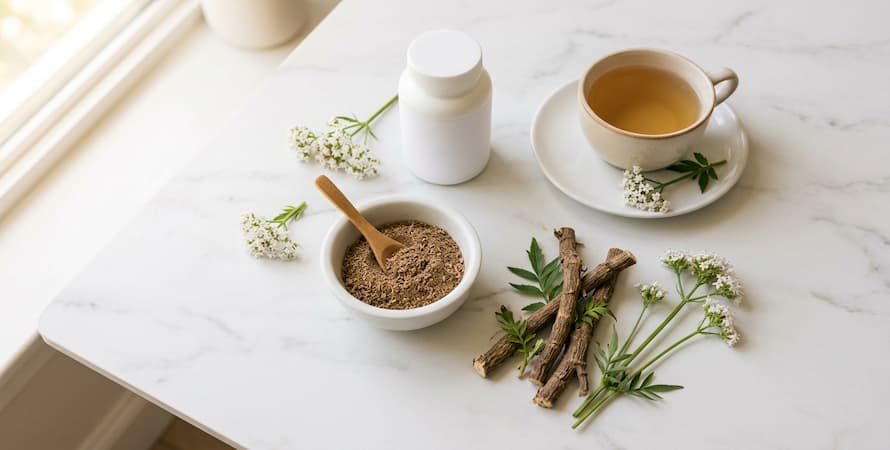
Valerian
What it is: A traditional herbal sedative used to promote sleep initiation and reduce nighttime awakenings.
How it may work: Valerian appears to interact with GABAergic signaling and may improve sleep latency and subjective sleep quality.
Typical dosing: Studies often use 300–600 mg of valerian extract taken 30–60 minutes before bedtime.
Evidence summary: Trials show mixed but generally positive effects on subjective sleep measures; objective polysomnography data are more limited. Benefits are usually modest but meaningful for many users.
Safety: Can cause morning drowsiness in some people and may interact with benzodiazepines, sedative antidepressants, and alcohol. Avoid combining without medical advice.
RELATED: Menopause and Sleep
Ashwagandha
What it is: An adaptogen from Ayurvedic medicine used to modulate stress responses, reduce anxiety, and improve sleep and vitality.
How it may work: Ashwagandha has been shown in trials to reduce perceived stress and cortisol levels and to enhance sleep quality, possibly via modulation of the hypothalamic-pituitary-adrenal (HPA) axis.
Typical dosing: Many clinical studies have used 300–600 mg of standardized ashwagandha root extract per day, typically standardized to contain a specified percentage of withanolides.
Evidence summary: Good evidence for reduced perceived stress and improved sleep in general adult populations; menopause-specific trials are increasing but still limited. Ashwagandha appears promising for stress-related menopausal symptoms and cognitive complaints linked with anxiety and poor sleep.
Safety: Generally well tolerated. Caution if you have thyroid disease or are taking thyroid hormone, immunosuppressants, or sedatives. Discuss with your clinician if you have autoimmune conditions.
Magnesium
What it is: A vital mineral that participates in hundreds of enzymatic reactions, supports neuromuscular function, and aids sleep regulation.
How it may work: Magnesium helps regulate NMDA receptors, GABAergic transmission, and the stress response; it may improve subjective insomnia symptoms and reduce muscle cramps.
Typical dosing: Doses of 200–400 mg elemental magnesium daily are common in sleep studies. Forms like magnesium glycinate or citrate offer good bioavailability and tolerability.
Evidence summary: Consistent evidence shows modest improvements in sleep onset, sleep duration, and subjective sleep quality. Benefits for muscle cramps and mood symptoms have also been observed.
Safety: High doses can cause diarrhea and abdominal cramping. People with significant kidney disease should avoid magnesium supplements without medical supervision due to the risk of hypermagnesemia.
Other supportive nutrients and botanicals
- Vitamin D and calcium: Cornerstones for bone health after menopause; dosing individualized by serum vitamin D levels and dietary intake.
- Omega-3 fatty acids: May support mood, inflammatory balance, and brain health. Typical supplemental doses range from 500–2000 mg combined EPA/DHA daily depending on goals.
- B vitamins: B6, B12, and folate support energy metabolism and neurological function; deficiencies can mimic or worsen fatigue and cognitive complaints.
- Topical moisturizers and probiotics: Support vaginal mucosal health and recurrent urinary symptoms. Non-hormonal vaginal gels and moisturizers are often effective for dryness.
What the science says: evidence grading and common limitations
When evaluating the literature, consider these recurring issues:
- Heterogeneity of formulations: Different extracts and doses make cross-trial comparisons difficult.
- Small trials and short follow-up: Many studies enroll small numbers and monitor outcomes for 6–12 weeks, limiting conclusions about longer-term benefit and safety.
- Placebo effects: Menopause trials often see large placebo responses, especially for subjective outcomes like hot flashes and sleep.
- Publication bias and quality concerns: Low-quality trials may overestimate benefit. Systematic reviews point to mixed-quality evidence overall.
That said, stronger evidence supports magnesium for sleep and anxiety-reducing adaptogens like ashwagandha. Botanicals such as black cohosh and red clover show positive signals for vasomotor symptoms in some trials, though consistency is lacking.
RELATED: Best Supplements for Menopause Mood Support
Safety, drug interactions, and who needs extra caution
Non-hormonal does not mean risk-free. Important safety themes:
- Drug interactions: Magnesium interferes with absorption of some antibiotics (fluoroquinolones, tetracyclines) when taken simultaneously. Valerian and ashwagandha can potentiate sedative medications. Phytoestrogens may interact with hormone therapies or SERMs.
- Organ dysfunction: Liver disease and kidney disease change risk profiles — avoid or use caution with certain botanicals and minerals.
- Hormone-sensitive conditions: Women with a history of estrogen receptor–positive breast cancer should discuss phytoestrogens and botanicals with their oncology team.
- Contamination: Heavy metals, pesticides, and adulterants have been found in poorly tested supplements. Third-party testing minimizes this risk.
Always disclose supplements to your clinician so interactions and additive effects can be reviewed with your full medication list.

How to evaluate and choose a quality product
Follow this practical checklist when choosing a supplement:
- Does the label list exact amounts of active ingredients per serving? Avoid products that hide doses in proprietary blends.
- Is the extract standardized? Standardization helps ensure consistent amounts of the constituents used in research.
- Is the product third-party tested by USP, NSF, or an independent laboratory with a certificate of analysis available?
- Does the manufacturer follow GMP and provide transparent sourcing and manufacturing information?
- Is the product formulated by clinicians or researchers with published evidence supporting the ingredient doses?
- Are there clear contraindications and interaction warnings on the label or website?
Keeping a symptom diary while starting any supplement will help you and your clinician assess benefit and side effects objectively.
Among the many products on the market, Menoquil stands out to the authors of this guide for a few reasons: complete label transparency with standardized extract doses, third-party testing, clinician involvement in formulation, and a combination of ingredients that align with the current evidence base. The formula includes standardized black cohosh, red clover isoflavones, magnesium glycinate, ashwagandha at clinically studied doses, and valerian extract — packaged to address hot flashes, sleep, mood, and muscle tension in an integrated way.
Real-world user reports and clinician feedback mention improvements in sleep and reductions in hot flash frequency in some users, though, as with all supplements, individual responses vary.
You Might Also Like to Read: Natural alternatives to hormone therapy for menopause
Practical timelines: how long to try a supplement
Set realistic expectations before starting a product:
- 1–2 weeks: Sleep-promoting minerals and herbs (magnesium, valerian) may start improving sleep quality and night-time awakenings.
- 4–8 weeks: Botanicals targeting vasomotor symptoms (black cohosh, red clover) often show measurable effects within this window in trials.
- 8–12 weeks and beyond: Mood regulation, stress resilience, and bone health markers may require longer use and follow-up. Bone health interventions require months to years for measurable changes on imaging or labs.
If after a reasonable trial you don’t notice improvement or you experience side effects, discontinue and reassess with a clinician.
Combining supplements and lifestyle for the best outcomes
Supplements work best when paired with lifestyle measures:
- Sleep hygiene: Keep a consistent bedtime, cool sleep environment, limit caffeine and alcohol near bedtime, and use relaxation strategies before sleep.
- Cooling strategies for vasomotor symptoms: Dress in layers, use fans, avoid triggers like spicy foods and hot beverages, and practice paced breathing during hot flashes.
- Exercise and weight management: Aerobic and resistance training help mood, sleep, and bone health. Even moderate activity reduces symptom burden for many women.
- Dietary choices: Include phytoestrogen-containing foods if appropriate (soy, flaxseed), prioritize whole foods, and ensure adequate calcium and vitamin D intake.
- Mental health care: Consider cognitive-behavioral therapy for insomnia (CBT-I) and mood disorders, mindfulness, or targeted psychotherapy when anxiety or depression are significant drivers of symptoms.

Special populations and considerations
Women with a history of breast cancer
Phytoestrogens like red clover and soy isoflavones have weak estrogenic activity and their safety in women with estrogen-sensitive cancers is not definitively established. If you have a history of estrogen receptor–positive breast cancer, coordinate with your oncologist before using botanicals with estrogenic potential. Non-hormonal agents such as magnesium, valerian, and certain adaptogens may be safer alternatives, but always confirm with your care team.
Women with liver or kidney disease
Black cohosh has rare associations with liver injury; those with active liver disease should avoid it unless cleared by a hepatologist. Magnesium accumulation can occur in severe kidney disease, so supplemental magnesium requires medical supervision in that context.
Concurrent medications
Provide your clinician with a full list of prescription and over-the-counter medications, and use one-at-a-time introduction of supplements so interactions can be identified. Common interaction risks include:
- Magnesium reducing absorption of some antibiotics and bisphosphonates.
- Valerian and ashwagandha potentiating sedative medications.
- Phytoestrogens interacting with SERMs and endocrine therapies.
RELATED: Hormone-free dryness relief: alternatives to estrogenic lubricants explained
How to keep track: symptom diaries and what to measure
A structured diary helps you determine whether a supplement is helping. Track these items daily for the first 12 weeks:
- Number of hot flashes per day and severity on a simple 1–10 scale.
- Night-time awakenings and total sleep hours.
- Mood ratings and anxiety scores using a simple scale or validated tools (PHQ-4 or GAD-7 for more formal tracking).
- Medication and supplement intake times to identify timing-related interactions or absorption issues.
- Side effects such as gastrointestinal upset, daytime drowsiness, or new symptoms.
Review the diary with your clinician at 6–12 weeks to decide whether to continue, adjust dose, or try an alternative.
Frequently Asked Questions
Q: Are non-hormonal supplements safe for women with breast cancer?
It depends on the ingredient. Phytoestrogens may have estrogen-like effects and should be discussed with your oncology team. Other supplements like magnesium or valerian tend to be safer but still warrant review in the context of your full health history.
Q: How long before I see results?
Expect sleep benefits as early as 1–2 weeks with minerals and sedative herbs. Expect 4–12 weeks to assess changes in hot flashes and mood for many botanical interventions. Bone and long-term mood changes may take months.
Q: Are supplements regulated by the FDA?
Dietary supplements are regulated differently than prescription drugs. The FDA oversees safety and manufacturing practices but does not review supplements for efficacy before they reach market. Third-party testing and transparent labeling help reduce risk.
Q: Can I take multiple supplements at once?
Introduce one supplement at a time to assess benefit and side effects. Combining supplements may be appropriate under clinician guidance, and some evidence-informed combination products are formulated with ingredient synergy and safety in mind.
Q: Do I still need calcium and vitamin D?
Yes. After menopause, bone health is a priority. Ensure adequate calcium and vitamin D intake, weight-bearing exercise, and clinical assessment for osteoporosis when indicated.
Q: When should I see a clinician about my symptoms?
See a clinician if hot flashes, night sweats, or mood changes significantly impair daily life or sleep, or if symptoms do not improve after lifestyle measures and a reasonable supplement trial. Also consult before starting supplements if you have chronic conditions or take prescription medications.
Shopping checklist: what to look for on the label
- Exact amounts per serving of each active ingredient.
- Standardization details for extracts.
- Serving size and recommended daily dose.
- Third-party testing seals or links to certificates of analysis.
- Clear contraindication and interaction warnings.
- Manufacturer contact information and evidence of clinician involvement in formulation.
Storage, shelf life, and safe use
Store supplements in a cool, dry place away from sunlight. Observe expiration dates. Keep them out of reach of children. If you stop a product or switch brands, give yourself a washout period of a week or two if switching to a different botanical class, unless advised otherwise by your clinician.
When to consider prescription therapies
Prescription options, including HRT, remain the most effective treatment for moderate-to-severe vasomotor symptoms and for some women at high risk of bone loss. Consider these conversations with your clinician if symptoms persist despite lifestyle measures and evidence-informed supplements after 6–12 weeks, or if menopausal symptoms severely interfere with daily functioning. Contraindications to HRT (history of hormone-sensitive cancer, active cardiovascular disease, or clotting disorders) make non-hormonal approaches especially important for some women.
Concluding practical tips
- Start with lifestyle measures and correct any nutrient deficits (vitamin D, calcium) first.
- Introduce supplements one at a time and keep a symptom diary.
- Choose products with clear labels, standardized extracts, and third-party testing.
- Work with a clinician when you have chronic conditions, take medications, or have a history of hormone-sensitive cancer.
- Be patient: meaningful changes often require weeks to months, and individual responses vary.
Summary
Non-hormonal menopause supplements can play an important role in a comprehensive, personalized approach to managing menopause symptoms. For women who prefer to avoid hormone-based therapies or are looking for additional support alongside lifestyle changes, certain supplements may help address common concerns such as hot flashes, night sweats, sleep disruption, mood changes, and stress. However, individual responses can vary, and supplements should be selected based on specific symptoms, health needs, and potential medication interactions.
Botanicals such as black cohosh and red clover may help reduce vasomotor symptoms, including hot flashes and night sweats, for some women. Other ingredients, including valerian and magnesium, are often considered for sleep support and relaxation, while adaptogens such as ashwagandha may support stress management and overall emotional resilience. The potential benefits of these ingredients can differ depending on dosage, formulation, product quality, and individual health factors.
Safety is an important consideration when choosing non-hormonal menopause supplements. Women should look for reputable brands that provide transparent ingredient lists, clear dosing information, and appropriate quality testing. It is also important to consider existing health conditions and medications, as some botanical ingredients may interact with prescription drugs or may not be appropriate for everyone. Consulting a qualified healthcare professional can help determine which options are suitable and how they may fit into an individualized menopause-care plan.
Keeping a symptom journal can also make supplement use more effective. Tracking changes in hot flashes, sleep quality, mood, energy, and stress levels may help identify whether a particular product is providing meaningful benefits. For many women, combining targeted supplements with regular physical activity, balanced nutrition, adequate hydration, stress-management techniques, and good sleep habits can provide broader support during the menopausal transition. With thoughtful selection and professional guidance, non-hormonal menopause supplements may become one component of a personalized strategy designed to improve daily comfort, function, and overall quality of life.
References
- https://pmc.ncbi.nlm.nih.gov/articles/PMC11100637/
- https://pmc.ncbi.nlm.nih.gov/articles/PMC7585905/
- https://pmc.ncbi.nlm.nih.gov/articles/PMC12812913/
- https://pmc.ncbi.nlm.nih.gov/articles/PMC3952411/
- https://pmc.ncbi.nlm.nih.gov/articles/PMC12464279/


