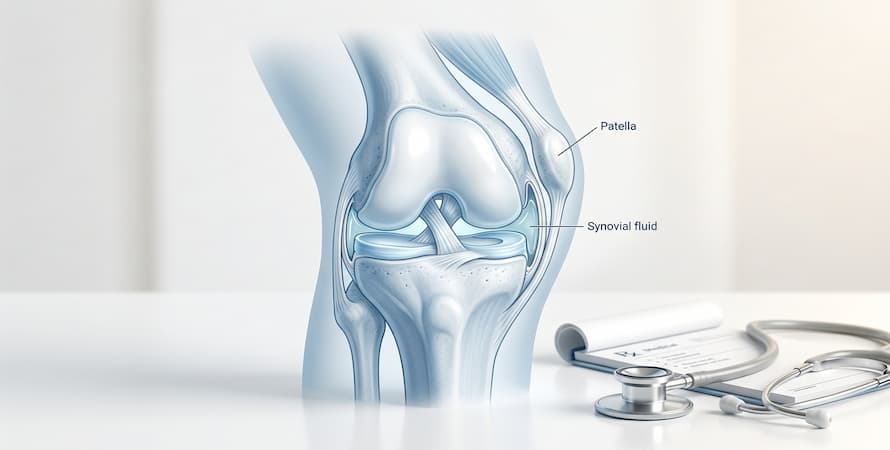


If you’ve ever experienced a sharp, aching, or pulling sensation in your lower back or hip area—especially when sitting—you may be dealing with sacroiliac (SI) joint pain. The SI joint connects your spine to your pelvis, playing a crucial role in absorbing shock and stabilizing your body. But because it carries so much load, even small imbalances or prolonged stress can cause significant discomfort.
SI joint pain often shows up during everyday activities, and one of the biggest triggers is prolonged sitting, particularly in chairs that don’t support your posture. Poor posture, slouching, sitting unevenly, or crossing your legs can all increase strain on the SI joint. Other common causes include pregnancy, where hormonal changes loosen ligaments, and injuries from falls, sports, or repetitive movements.
In this guide, you’ll learn exactly how to sit with SI joint pain in a way that protects your body rather than aggravating it. Below, you’ll find practical, easy-to-follow tips that you can start using immediately to reduce discomfort and support healthier sitting habits throughout your day.
What Is SI Joint Pain?
The sacroiliac (SI) joint is the point where your spine connects to your pelvis. You have two SI joints—one on each side—located just below the lower back, where the sacrum (the triangular bone at the base of the spine) meets the iliac bones of the pelvis. These joints help transfer weight evenly between your upper body and legs and act as shock absorbers during walking, bending, and standing.
When the SI joint becomes irritated, inflamed, or unstable, it can lead to SI joint pain, which often feels like a deep ache or sharp twinge in the lower back, buttock, or hip area. Unlike general lower-back pain, SI joint pain may radiate into the groin or down the thigh but rarely goes below the knee. You may also notice pain when standing up from a seated position, climbing stairs, or putting more weight on one side of your body.
Sitting can make SI joint pain worse because it places direct pressure on the pelvis and can tilt the joint into a strained position—especially if your posture isn’t supported. This is why learning how to sit with SI joint pain is essential for managing symptoms throughout the day. Even everyday activities like driving become challenging, making it equally important to understand how to sit in a car with SI joint pain, where seat angles and limited movement can increase discomfort.
By understanding what the SI joint is and why it becomes painful, you’ll be better prepared to make simple adjustments that help protect and stabilize it—whether you’re at work, relaxing at home, or on the road.
Why Sitting Can Aggravate SI Joint Pain
Sitting may seem like a restful position, but for people with SI joint issues, it can place significant stress on the lower back and pelvis. Understanding why this happens can make it much easier to apply strategies for relief and learn how to sit with SI joint pain or how to sit comfortably with SI joint pain in daily life.

1. How Weight Distribution Affects the SI Joint
When you sit, your body weight shifts downward through your pelvis. Ideally, this weight should be evenly distributed across both sit bones (ischial tuberosities). However:
Many people naturally lean to one side.
Some sit with the pelvis tucked under.
Others slouch, which shifts pressure backward onto the sacrum.
Uneven weight distribution increases stress on one SI joint more than the other, causing irritation and inflammation. If one hip is tighter or if you sit on a wallet, cushion, or uneven surface, the pelvis can tilt slightly, further straining the joint.
This is why sitting often triggers—or worsens—SI joint pain more than standing or walking.
2. Muscle Imbalances and Core Instability
Healthy sitting requires support from the core, pelvic floor, glutes, and deep spinal stabilizers. When these muscles are weak, tight, or imbalanced, the SI joint becomes more vulnerable.
Weak core muscles allow the pelvis to tilt backward or forward excessively.
Tight hip flexors pull the pelvis into an anterior (forward) tilt.
Weak glutes make the SI joint absorb more shock when sitting or transitioning from sitting to standing.
Tight hamstrings pull the pelvis into a tucked position, stressing the SI joint every time you bend or sit down.
These imbalances make it difficult to maintain a neutral pelvic position, causing the SI joint to work harder to stabilize the body. Over time, this leads to discomfort, especially during prolonged sitting.
3. The Role of Hip Positioning and Lumbar Posture
How you position your hips and lower back while sitting directly influences SI joint stress.
Hip Positioning
Sitting with hips rotated inward (knees together, toes inward) tightens the piriformis and glute muscles, which can tug on the SI joint.
Sitting with legs crossed rotates the pelvis and twists the SI joint.
Sitting too low causes the hips to flex deeply, which overstretches and strains the ligaments around the SI joint.
Keeping the hips level and slightly externally rotated is often more comfortable for people with SI joint dysfunction.
Lumbar Posture
Your lumbar spine naturally curves inward (lordosis). When you sit:
Slouching flattens this curve, forcing the SI joint to bear more weight.
Over-arching the lower back compresses the joint and irritates surrounding ligaments.
Maintaining a neutral spine—not too arched, not too rounded—reduces strain on the SI joint and supports better body alignment.
Tying It All Together
Because sitting affects weight distribution, muscle activation, and joint alignment, it becomes a major trigger for SI joint discomfort. This makes it essential to learn how to sit with SI joint pain and, more importantly, how to sit comfortably with SI joint pain by adjusting posture, hip position, and chair setup.
These adjustments help reduce pressure on the SI joint and prevent flare-ups during work, driving, or relaxing at home.

Best Sitting Positions for SI Joint Pain
Finding the right sitting position is one of the most effective ways to reduce discomfort and protect the sacroiliac joint. Because the pelvis acts as the foundation for the spine, even slight changes in posture can dramatically influence pain levels. The following methods will help you understand how to sit with SI joint pain and even how to sit on a couch with SI joint pain more comfortably.
Neutral Spine Posture
A neutral spine is the ideal position for supporting the SI joint because it keeps the pelvis and lower back aligned without excess pressure.
Steps to Get Into a Neutral Spine
Sit toward the front half of your chair or couch so your pelvis can move freely.
Rock your pelvis gently forward (arching) and backward (rounding) to feel both extremes.
Stop in the middle—this is your neutral pelvic position.
Stack your ribs over your pelvis and keep your head aligned with your spine.
Keep feet flat on the floor with knees at hip height.
How to Maintain It Without Over-Arching
Avoid pushing your chest upward or forcing your lower back into an exaggerated curve.
Engage your deep core gently (about 20–30% effort) to keep the spine stabilized.
Use a small lumbar roll or cushion behind your lower back if you tend to slouch.
Make small micro-adjustments every few minutes to avoid stiffness.
A neutral spine reduces tension in the ligaments of the SI joint and helps distribute body weight evenly.
Hip-Supportive Position
SI joint pain often worsens when the hips rotate inward or when the knees collapse together. A hip-supportive position keeps the pelvis aligned and reduces strain.
Slight External Rotation of the Hips
Position your feet slightly wider than hip-width.
Allow your toes to turn outward about 10–20 degrees.
This opens the hips and reduces pressure on the piriformis and glute muscles that attach near the SI joint.
Knees Slightly Apart to Reduce Compression
Keep a small gap between your knees rather than letting them touch or fall inward.
If needed, place a small pillow or yoga block between your knees to maintain alignment.
This open-hip posture keeps the pelvis level and minimizes the rotational stress that often aggravates SI joint pain.
Elevated Seating Option
If you struggle to maintain good posture, elevating your seating position can make a big difference.
Sitting on a Wedge Cushion to Tilt the Pelvis Forward
A wedge cushion or seat wedge raises the hips slightly higher than the knees, tilting the pelvis forward in a natural, comfortable way. This prevents the pelvis from rolling backward—a common cause of SI joint irritation.
Benefits for Maintaining Spinal Alignment
Encourages a neutral spine with less effort
Reduces strain on the lower back and hips
Prevents slouching on soft surfaces like couches
Creates better weight distribution through the sit bones
Elevated seating is especially helpful when learning how to sit with SI joint pain during long work hours or driving.
The “Sit-Bone Balance” Method
One of the most effective ways to protect the SI joint is by sitting directly on your sit bones (ischial tuberosities).
How to Find and Sit on Your Sit Bones
Place your hands under your buttocks and feel the two bony points.
Sit upright and slide your hands out—you should feel the weight shift onto these bones.
Adjust your pelvis until both sit bones carry equal weight.
Keep your chest relaxed and your core gently engaged.
Why This Reduces SI Strain
Sit bones are designed to bear the body’s weight during sitting.
When you sit on them correctly, your pelvis stays level instead of rotating or tilting.
This balanced position reduces pressure on the SI ligaments and joints.
It prevents asymmetrical sitting habits, such as leaning or crossing one leg.
This method is extremely helpful when figuring out how to sit on a couch with SI joint pain, where soft cushions often cause the pelvis to sink or twist.

Practical Tips for Reducing Pain While Sitting
Small adjustments in how you sit can make a big difference in easing SI joint discomfort throughout the day. Whether you’re working, relaxing, or learning how to sit with SI joint pain more effectively, these strategies help support your pelvis and lower back so you can sit with greater comfort and less strain. These same tips also help you understand how to sit comfortably with SI joint pain anywhere—at home, in the office, or on the go.
Use Proper Support
- Lumbar Roll
A lumbar roll or small cushion placed behind the lower back helps maintain the natural curve of the spine. This prevents slouching, which can pull the pelvis into a backward tilt and place extra stress on the SI joint. Choose a firm roll that supports the lower back without pushing it forward too much.
- Cushions Designed for SI Joint Stability
Specialized SI cushions—often wedge-shaped or with a cutout—help position the pelvis correctly and promote even weight distribution across both sit bones. These cushions can reduce pressure on sensitive joints and make sitting much more tolerable, especially during long work sessions or driving.
Adjust Your Chair Height
- Feet Flat on the Floor
Make sure your feet rest firmly on the ground to keep your pelvis stable. When your feet dangle or your knees sit too high, it causes your pelvis to tilt awkwardly, increasing SI joint discomfort.
- Knees Level With or Slightly Below the Hips
This position helps keep your pelvis in a neutral, balanced state. If your knees are higher than your hips, the pelvis tucks under; if they’re too low, the lower back may over-arch. Both positions stress the SI joint. Adjust your chair height or use a footrest as needed to achieve the right alignment.
Take Frequent Movement Breaks
- Micro-Breaks Every 20–30 Minutes
The SI joint dislikes prolonged stillness. Standing, stretching, or simply shifting your position for 30–60 seconds can relieve pressure and restore healthy blood flow. Set a reminder if you tend to sit for long periods.
- Mini Stretches for Hips and Lower Back
Gentle movements like knee-to-chest stretches, seated pelvic tilts, hip rotations, or glute squeezes help relax tight muscles that pull on the SI joint. These stretches keep the pelvis mobile and reduce stiffness that builds up while sitting.
Avoid These Common Mistakes
- Sitting With Legs Crossed
Crossing legs rotates the pelvis unevenly, causing one SI joint to bear more stress. Over time, this can worsen pain and create muscle imbalances.
- Slouching or Reclining Too Far Back
Slouching flattens the natural curve of the lower back and forces the SI joint into a strained, unstable position. Excessive reclining shifts weight onto the sacrum instead of the sit bones, which increases discomfort.
- Sitting on One Hip or Shifting Weight Unevenly
Favoring one side twists the pelvis and places uneven pressure on the SI joints. Make a habit of checking that both sit bones are carrying equal weight.
Together, these simple but powerful adjustments can dramatically reduce discomfort and help you learn how to sit with SI joint pain and more importantly, how to sit comfortably with SI joint pain throughout your daily routine.

Stretches & Exercises to Support Better Sitting
Improving mobility and strength around the SI joint can make sitting far more comfortable. These simple exercises help reduce stiffness, support proper posture, and complement all the techniques you’ve learned about how to sit with SI joint pain. Practiced consistently, they can ease tension in the pelvis and lower back while improving overall stability.
1. Gentle Pelvic Tilts
Purpose: Loosen the lower back, mobilize the pelvis, and reduce stiffness that builds up from prolonged sitting.
How to Do It:
Sit upright with both feet flat on the floor.
Gently tilt your pelvis backward, rounding your lower back slightly.
Then tilt your pelvis forward, restoring a small arch in your lower back.
Move slowly and smoothly, repeating 10–15 times.
Why It Helps:
Pelvic tilts keep the SI joint moving in a healthy range and prevent it from locking into a painful position while sitting.
2. Piriformis Stretch
Purpose: Release tightness in the piriformis muscle, which is closely connected to the SI joint and can trigger pain if overly tight.
How to Do It (Seated Version):
Sit tall in a chair.
Cross one ankle over the opposite knee.
Lean forward slightly from your hips (not your back).
Hold for 20–30 seconds, then switch sides.
Why It Helps:
A tight piriformis can tug on the pelvis and add strain to the SI joint. Stretching it helps restore balance and reduces tension in the surrounding muscles.
3. Core Activation While Seated
Purpose: Strengthen the deep abdominal muscles that support the pelvis and SI joint.
How to Do It:
Sit upright with your spine in a neutral position.
Gently draw your belly button inward, engaging the deep core muscles.
Hold for 5–10 seconds while breathing normally.
Repeat 8–10 times.
Why It Helps:
A stable core keeps the pelvis aligned while sitting, especially when you’re focusing on how to sit with SI joint pain for long periods.
4. Strengthening the Glutes and Core to Reduce SI Irritation
Strong glutes and core muscles act as stabilizers for the pelvis and SI joint. When these muscles are weak, the SI joint is forced to absorb more load, leading to discomfort.
Benefits of Strong Glutes:
- Improve pelvic alignment
- Support hip movement during sitting and standing
- Reduce strain on the SI ligaments
Benefits of a Strong Core:
Provides steady support for the lumbar spine
Prevents slouching and pelvic tilting
Helps maintain neutral posture throughout the day
Incorporating exercises like bridges, bird-dogs, and side planks into your routine can significantly improve SI joint stability over time.
When to Seek Medical Help
While many cases of SI joint pain improve with posture, stretching, and strengthening, certain signs require professional evaluation.
Red Flags
Seek medical attention if you experience:
Severe or sudden pain that doesn’t improve with rest
Numbness, tingling, or weakness in the legs
Loss of bladder or bowel control
Chronic Pain
If discomfort persists for weeks or months, it may indicate chronic SI joint issues that need professional care to prevent long-term problems.
Professional Options
Physical Therapy: Strengthens core and glutes, improves mobility, and teaches proper sitting techniques.
Chiropractic Care & Manual Therapy: Helps restore joint alignment and relieve muscle tension.
Some people also benefit from joint support supplements, like Flexoplex, which can support joint comfort and mobility alongside these treatments.
Conclusion
Sitting doesn’t have to be a source of constant discomfort for those with SI joint pain. By understanding the mechanics of the SI joint, practicing proper posture, and making small adjustments—like maintaining a neutral spine, supporting your hips, and sitting on your sit bones—you can significantly reduce strain and improve comfort. Incorporating gentle stretches, core and glute strengthening exercises, and ergonomic tools can further protect the joint and make daily sitting more manageable.
If pain persists or worsens, don’t hesitate to seek professional guidance through physical therapy, chiropractic care, or manual therapy. Supportive options, including joint supplements like Flexoplex, can also aid in maintaining joint comfort and mobility.
With consistent care and mindful sitting habits, it’s entirely possible to sit longer, move easier, and live more comfortably—even with SI joint pain.