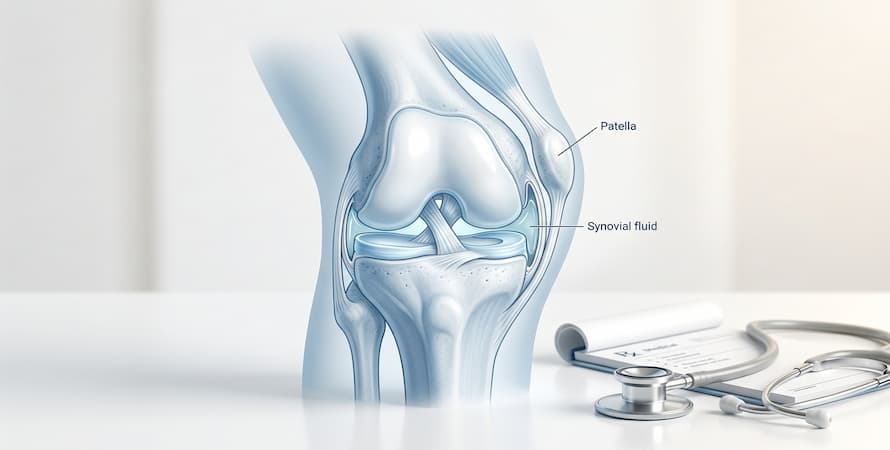


Why vitamin D could affect joints

How vitamin d and joint pain might connect
Understanding the difference: bone pain, muscle pain, and joint pain
Understanding the difference between bone pain, muscle pain, and joint pain is important because each type of pain can point to different underlying causes and may need different approaches to care. Although these pains can feel similar, their source and characteristics often vary.
Bone pain: Bone pain is usually deep, dull, or aching and tends to be more constant than other types of pain. It may be felt even when resting and can worsen with pressure. Bone pain is sometimes linked to conditions that affect bone strength or density. Because vitamin D is essential for calcium absorption and bone health, low levels may contribute to weakened bones and discomfort that feels like bone pain.
Muscle pain: Muscle pain often feels sore, tight, or cramp-like and may worsen with movement or after physical activity. It can be caused by overuse, strain, or nutritional deficiencies. Many people wonder, can low vitamin D cause muscle and joint pain? Research suggests that low vitamin D levels may contribute to muscle weakness and aching, which can reduce support for nearby joints and increase overall discomfort.
Joint pain: Joint pain is usually felt where two bones meet, such as the knees, hips, shoulders, or fingers. It may be accompanied by stiffness, swelling, or a reduced range of motion, making everyday movements uncomfortable. Joint pain is commonly associated with inflammation, injury, overuse, or natural wear and tear over time. Vitamin D may play a role here as well by helping regulate inflammation and supporting the muscles and bones that protect and stabilize the joints.
Along with maintaining healthy vitamin D levels through diet, sunlight, or supplements recommended by a healthcare professional, some people also explore joint support products as part of their overall routine. For example, Flexoplex joint support supplement is often mentioned as a product designed to support joint comfort and mobility by providing nutrients aimed at maintaining joint health. While supplements like this may be used as part of a broader wellness approach, they are not a substitute for medical advice or proper diagnosis. Supporting joint health typically works best when nutrition, physical activity, and professional guidance are combined.
Because vitamin D supports bones, muscles, and immune function, maintaining healthy levels may help reduce multiple types of musculoskeletal discomfort. In some cases, healthcare providers may recommend vitamin D supplements for joint pain, especially if a deficiency is confirmed. Proper diagnosis is important, as identifying whether pain comes from bones, muscles, or joints can guide the most effective treatment and support long-term mobility and comfort.
How supplements are made and what they contain
For readers wondering whether vitamin d supplements for joint pain might help, it helps to know what supplements are and how they are formulated. Vitamin D supplements come primarily as vitamin D3 (cholecalciferol) or vitamin D2 (ergocalciferol). Most over-the-counter products use vitamin D3, which raises 25-hydroxyvitamin D concentrations more effectively than D2.
Typical vitamin d supplements for joint pain are available in a variety of doses and formulations. Ingredients often include an oil carrier and gelcaps or tablets with binders and fillers. Some products combine vitamin D with calcium or vitamin K2. Because manufacturers face less stringent regulation than prescription drug makers, reputable third-party testing (USP, NSF, ConsumerLab) is a useful quality indicator for those shopping for vitamin d supplements for joint pain or general health.


Safety, interactions, and potential downsides of supplementation
People considering vitamin d supplements for joint pain should weigh risks and benefits carefully. Vitamin D is safe at recommended doses, but toxicity can occur with very high, prolonged doses, leading to hypercalcemia and symptoms like nausea, weakness, and kidney problems. Certain conditions — sarcoidosis, some lymphomas, and other granulomatous diseases — can increase sensitivity to vitamin D, and high-dose supplementation can be dangerous. Medication interactions (like with thiazide diuretics or digoxin) also matter.
Before starting vitamin d supplements for joint pain at high doses, talk to a clinician and consider testing. Many clinicians use a standard maintenance dose for general health but prescribe higher, monitored doses when correcting documented deficiency. Because people often ask does vitamin d deficiency cause joint pain and then start supplements on their own, medical guidance is important to avoid overtreatment or interactions.
Who is at risk of deficiency and should consider testing?
Choosing and using vitamin D supplements responsibly
If you and your clinician decide on supplementation, consider these practical tips:
- Prefer vitamin D3 (cholecalciferol) for most adults; it raises 25(OH)D levels more effectively than D2.
- Look for third-party testing (USP, NSF, ConsumerLab) to ensure the product contains the labeled dose and is free of contaminants.
- Follow evidence-based dosing: many adults require 600–800 IU/day for maintenance; some experts recommend 1,500–2,000 IU/day to achieve sufficiency in many people. For documented deficiency, clinicians may use higher, monitored loading doses (for example, 50,000 IU weekly for a specified period).
- Monitor levels and calcium when taking high doses or when conditions might predispose to hypercalcemia.

Nutrition and sun exposure: alternatives and complements to supplements
Food sources can help: fatty fish, fortified milk and plant milks, egg yolks, UV-exposed mushrooms, and fortified cereals provide vitamin D. Sensible sun exposure can generate vitamin D, but skin cancer risk and sunscreen recommendations make universal sun prescriptions complicated. If you are asking whether vitamin d deficiency cause joint pain, lifestyle measures that support bone and muscle health — balanced diet, resistance and weight-bearing exercise, and weight management — are important complements to any vitamin D strategy.
Frequently asked questions
Q: Does vitamin d deficiency cause joint pain in everyone?
No. Does vitamin d deficiency cause joint pain in everyone? No. Severe deficiency can cause bone and muscle pain, but many people with joint pain have normal vitamin D levels and need other treatments.
Q: Can low vitamin d cause muscle and joint pain simultaneously?
Yes. Can low vitamin d cause muscle and joint pain simultaneously? Yes — deficiency can produce muscle aches and weakness and sometimes bone pain, which can exacerbate joint discomfort.
Q: Are vitamin d supplements for joint pain effective?
They can be effective if the joint pain is linked to deficiency. Are vitamin d supplements for joint pain effective in general osteoarthritis? The evidence is not strong for routine use in people with normal vitamin D levels.
Q: How much vitamin D should I take for joint health?
Many adults use 600–800 IU/day for maintenance; some experts suggest 1,500–2,000 IU/day for many adults to ensure sufficiency. For documented deficiency, clinicians use higher, monitored regimens. Take vitamin d supplements for joint pain only as advised by a clinician if treating deficiency.
Q: What tests will tell me if vitamin D is related to my joint pain?
A 25-hydroxyvitamin D (25[OH]D) blood test measures vitamin D status. If you have symptoms like unexplained bone pain or muscle weakness, or risk factors for deficiency, testing helps determine whether vitamin d deficiency cause joint pain in your case.