

Joint pain is often linked to injury, aging, or conditions like arthritis, but one less obvious factor may be affecting your joints: dehydration. Water is essential for nearly every function in the body, including cushioning and lubricating your joints. Without enough fluids, the cartilage that protects your joints can become less resilient, potentially leading to stiffness, discomfort, or increased pain.
Understanding the connection between dehydration and joint health is important, especially for those who experience unexplained aches or flare-ups. In this article, we’ll explore how dehydration impacts joint function, the signs to watch for, and practical strategies to maintain proper hydration to support overall joint comfort and mobility.
What is a joint and why water matters
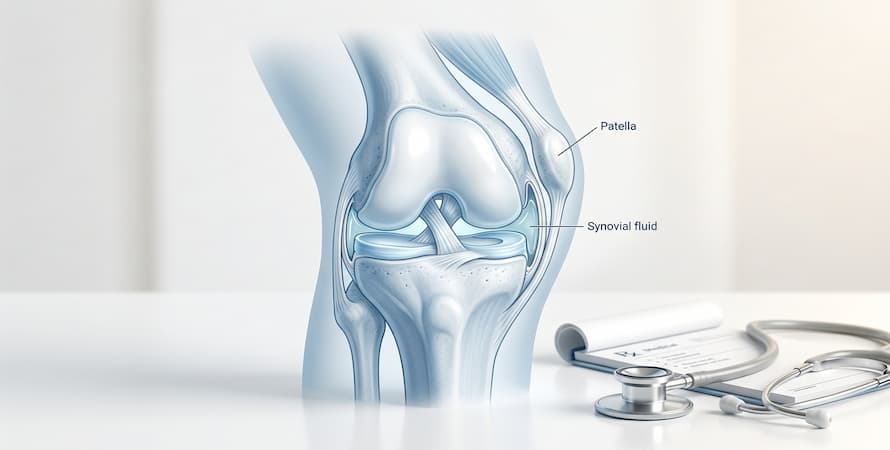
To answer can dehydration cause joint pain, it helps to understand what a joint is. Joints connect bones and allow movement. Most movable joints are synovial joints: they include bones capped with cartilage, a fluid-filled joint space, a synovial membrane that produces synovial fluid, and a capsule that stabilizes the joint. Cartilage and synovial fluid are rich in water. Healthy cartilage is roughly 60–80% water by weight and synovial fluid is a watery gel that lubricates and nourishes the cartilage surface.
When we talk about dehydration and joint pain, the important idea is that water is not only in your bloodstream but inside tissues. If tissue hydration drops, cartilage may lose elasticity, synovial fluid may change viscosity, and cushioning between bones can alter. That can make a joint feel stiffer or more painful under load. So when people ask, can dehydration cause joint pain, part of the answer is structural: hydration supports the mechanical environment needed for smooth joint motion.
How cartilage, synovial fluid, and tissues respond to water loss
Cartilage is a specialized connective tissue that resists compression and shear. Its matrix contains collagen, proteoglycans, and large amounts of water. Proteoglycans attract and hold water; that hydration is essential to cartilage’s shock-absorbing qualities. Synovial fluid contains hyaluronan and lubricin, molecules that help surface glide. When hydration changes, these molecules can’t perform as efficiently.
- Dehydrated cartilage is less able to distribute loads evenly, increasing local stress on fibers and cells.
- Synovial fluid with altered hydration may be more viscous or less able to lubricate, increasing friction.
- Periarticular tissues—muscles, tendons, ligaments—also rely on water for flexibility; dehydration can increase muscle fatigue which indirectly stresses joints.
These mechanisms underlie the plausible biological link supporting the idea that can dehydration cause joint pain. The relationship is not always straightforward: mild, short-lived dehydration may produce temporary stiffness rather than chronic damage, but repeated or severe fluid deficits could contribute to longer-term issues.

Common questions: does dehydration cause joint stiffness and other symptoms?
People often ask does dehydration cause joint stiffness? The short answer is yes, dehydration can cause or worsen joint stiffness. When we probe deeper, several common signs and symptoms link the two:
- Stiffness after inactivity, especially in hot or dehydrating conditions.
- Increased soreness during or after prolonged exercise with fluid loss.
- Muscle cramps and spasms around joints that alter biomechanics and increase joint pain.
- Reduced tolerance for physical therapy or exercise because of greater perceived joint discomfort when underhydrated.
So does dehydration cause joint stiffness? Clinically, yes it can contribute significantly to stiffness and restricted range of motion, particularly in the short term and during or after exertion.
Signs of dehydration to watch for
If you want to answer can dehydration cause joint pain in your own life, first learn the common signs of dehydration. Early recognition helps you act before stiffness becomes painful.
- Thirst — the obvious early sign.
- Dry mouth and lips.
- Dark yellow urine or low urine output.
- Lightheadedness or dizziness.
- Fatigue and reduced exercise tolerance.
- Muscle cramps and spasms — often precursors to joint-related discomfort.
- Headache and reduced concentration.
Being aware of signs of dehydration is important because subtle fluid loss can affect tissues without dramatic symptoms. If you notice worsening stiffness or joint discomfort on days when you are not drinking enough, you should consider hydration as a contributing factor.
How much water should I drink for joint health?
One of the most practical questions is how much water should i drink for joint health? There is no single magic number that guarantees optimal joint hydration for everyone. Needs vary by body size, activity, climate, health conditions, and diet. General guidance helps:
- For most adults, aiming for about 2 to 3 liters (8–12 cups) of fluid daily from beverages and food is a reasonable baseline; adjustments are needed for heat, exercise, or illness.
- During exercise, drink according to thirst for short workouts; for longer sessions (over 60–90 minutes), plan fluid plus electrolytes to replace sweat losses.
- Older adults may have a reduced thirst response and should consciously sip fluids throughout the day.
- People with medical conditions (heart failure, kidney disease, or certain medications) should follow individualized fluid plans from their healthcare providers.
So how much water should i drink for joint health? Aim for consistent daily intake, increase fluids with activity and heat, and consider electrolytes during prolonged sweating to reduce the risk that dehydration will contribute to joint stiffness and pain.

Rehydration options: what works and why
When you determine can dehydration cause joint pain in a given episode, the next step is rehydration. Not all rehydration options are equal for every situation. Below is an overview of common choices and when each is appropriate.
- Plain water
Plain water is the simplest and safest option for routine hydration. It replenishes blood volume and supports general tissue hydration. For everyday life and short workouts under an hour, plain water is usually sufficient. However, plain water lacks electrolytes, so for long-duration or heavy sweating events it can be inadequate or even risky if consumed excessively without sodium replacement.
- Sports drinks
Commercial sports drinks contain water, carbohydrates (glucose or sucrose), sodium, and flavoring. They are designed to provide quick energy and replace sodium lost in sweat. For endurance events lasting longer than 60–90 minutes, sports drinks can help maintain fluid balance and delay fatigue. But many contain high sugar levels that add calories and may be unnecessary for casual activities.
- Electrolyte powders and tablets
These products dissolve in water and typically provide sodium, potassium, magnesium, and sometimes calcium, with lower sugar content than traditional sports drinks. They are a convenient way to tailor electrolyte intake without excess calories. Use them during prolonged exertion or heat exposure when sweat losses are substantial.
- Oral Rehydration Solutions (ORS)
ORS formulas (like WHO or CDC recommendations) combine glucose and electrolytes in precise ratios to maximize intestinal absorption via sodium-glucose cotransport. They are the standard for treating dehydration from diarrhea or significant fluid loss. ORS is clinically validated for rapid rehydration and electrolyte restoration; for severe dehydration due to illness, ORS is superior to plain water.
- Coconut water
Coconut water is a natural drink containing water and potassium with some sodium. It is lower in sodium than most sports drinks, so while it can be helpful for mild rehydration and tastes pleasant, it may be insufficient for heavy sweat-induced sodium loss.
- Intravenous fluids
IV fluids are for clinical settings when dehydration is severe or when oral intake is not possible. Normal saline and lactated Ringer’s restore volume and electrolytes quickly under medical supervision. IV therapy bypasses gut absorption and is not needed for typical activity-related dehydration.
Choosing the right product and avoiding marketing traps
Can dehydration cause joint pain? Yes, and selecting the right rehydration product matters. Here are practical pointers:
For daily life and short workouts: plain water is typically fine.
For long-duration workouts or heavy sweating: use electrolyte-containing drinks (sports drinks or electrolyte powders).
For illness-related dehydration: use ORS formulas validated by health authorities.
For people watching calories or sugar: choose low-sugar electrolyte powders or make your own diluted solutions.
When sodium-sensitive conditions exist (hypertension, heart failure): consult a clinician because some sports drinks may have high sodium content.
Avoid believing claims that any single beverage will cure chronic joint disease. Hydration is supportive, not curative. Also be cautious of high-sugar products—excess calories contribute to weight gain, which increases load on joints and can worsen joint pain long term. For overall joint support, some people combine proper hydration with supplements like Flexoplex Joint supplement as part of a comprehensive approach. Consider ingredient lists and match products to your needs.
Potential downsides and medical precautions
Rehydration is generally safe, but there are important caveats when thinking about can dehydration cause joint pain and how to respond.
- Overhydration and hyponatremia. Drinking large amounts of plain water without electrolytes, especially during endurance events, can dilute sodium levels and cause hyponatremia—a dangerous condition marked by nausea, headache, confusion, seizures, and in severe cases, death.
- Sugar and metabolic effects. Many sports drinks are high in sugar and calories, which can worsen blood sugar control and contribute to weight gain; both can increase joint load and pain over time.
- Sodium-sensitive patients. Individuals with hypertension, heart failure, or kidney disease should monitor sodium intake and discuss electrolyte supplement use with their healthcare provider.
- Kidney disease and potassium. Some electrolyte solutions can be high in potassium; people with chronic kidney disease should follow tailored guidance to avoid hyperkalemia.
- Medication interactions. Diuretics, ACE inhibitors, ARBs, and NSAIDs can change fluid and electrolyte handling. NSAIDs also affect kidney function and can exacerbate dehydration-related issues. If you take medications, consult your clinician before making major changes to hydration strategy.
Practical strategies to prevent dehydration-related joint issues
Because dehydration and joint pain often appear together, simple prevention strategies can reduce episodes of stiffness and discomfort. These tips help answer practical questions like can dehydration cause joint pain in everyday life and how can I minimize that risk?
- Drink regularly throughout the day rather than trying to “catch up” at night.
- Use urine color as a simple gauge: pale yellow suggests adequate hydration; dark yellow suggests you need more fluids.
- Pre-hydrate before exercise: drink 12–20 ounces in the 2–3 hours before activity when appropriate.
- Sip fluids during prolonged exercise, and include electrolytes for sessions longer than 60–90 minutes.
- Adjust fluid intake based on heat and humidity; sweat losses increase in hot, humid environments.
- Watch for signs of dehydration—thirst, dry mouth, headache, reduced urine output, and muscle cramps—and respond early.
- For athletes, measure body weight before and after training; a loss greater than 2% body weight indicates significant dehydration requiring planned rehydration.
- Wear breathable clothing, modify intensity in hot conditions, and seek shade to reduce fluid losses.
These steps are practical ways to address the question can dehydration cause joint pain in your day-to-day life. They limit the chance that temporary dehydration will produce stiffness and pain that interferes with activity.

Special populations: older adults, people with arthritis, and athletes
Different groups face different risks when considering can dehydration cause joint pain.
- Older adults
Older adults often have a diminished thirst response, reduced renal concentrating ability, and may be on medications that affect fluid balance. They are at higher risk of dehydration and related stiffness. Encouraging regular, scheduled fluid intake and monitoring urine color helps reduce the likelihood that dehydration will worsen joint pain or limit mobility.
- People with arthritis
For those with osteoarthritis or inflammatory arthritis, hydration is supportive but not curative. Proper hydration can reduce stiffness and improve tolerance for physical therapy. However, underlying inflammation, cartilage destruction, and autoimmune processes require disease-specific treatments. When patients with chronic arthritis ask can dehydration cause joint pain, clinicians typically say that dehydration can exacerbate symptoms but does not replace standard therapy.
- Athletes and active people
Athletes are acutely aware of fluid losses. For them, dehydration and joint pain often become linked through mechanisms such as cramps, neuromuscular fatigue, and altered mechanics that increase joint loading. Athletes should develop individualized hydration plans that include electrolyte replacement for long events, monitor body weight changes with training, and educate on the signs of dehydration to prevent performance-limiting stiffness and pain.
When joint pain needs medical attention
Understanding can dehydration cause joint pain also means recognizing when joint pain is not just dehydration-related and requires evaluation. Seek medical attention when:
- Pain is sudden, severe, or associated with swelling, redness, warmth, or fever.
- There is an inability to bear weight or loss of function.
- Symptoms persist or worsen despite adequate rehydration and rest.
- There are systemic signs like unexplained fever, night sweats, or significant fatigue.
These signs may indicate gout, septic arthritis, inflammatory arthritis flare, or structural injury—conditions that need clinical evaluation beyond the scope of hydration adjustments.
Practical hydration approaches for common situations
Below are practical examples to translate the question can dehydration cause joint pain into action. These sample plans are general; individual needs vary and medical conditions require tailored advice.
Everyday adult with desk job
- Goal: sip 8–10 cups of water per day, more with warm weather or activity.
- Keep a reusable bottle at your desk and set periodic reminders to drink.
- Monitor urine color and add a cup or two if it’s darker than pale yellow.
Weekend runner (60 minutes of moderate effort)
- Pre-hydrate with 8–12 ounces in the 1–2 hours before running.
- During runs under an hour, drink by thirst and hydrate after with water and a snack.
- If you notice post-run stiffness or cramps regularly, add an electrolyte drink for longer or hotter runs.
Endurance athlete (marathon or multi-hour event)
- Develop a plan to drink 4–8 ounces every 15–20 minutes during activity, adjusted to sweat rate.
- Include electrolyte replacement (sodium, potassium) in your fluid plan to avoid hyponatremia and cramps.
- Weigh before and after training to calibrate fluid replacement (replace ~1.25–1.5 liters per kg lost).
Older adult with osteoarthritis
- Set a routine to sip fluids hourly; include broth or electrolyte drinks on hotter days.
- Aim for consistent daily fluid intake of roughly 2 liters, adjust for appetite and medications.
- Consult your clinician on sodium limits if you have blood pressure or heart failure concerns.
Frequently asked questions
Q: Can dehydration cause joint pain overnight?
A: Yes. If you go to bed underhydrated or lose fluids through a fever, you may wake with increased stiffness. Drinking throughout the day and before bed (without overdoing it) helps maintain tissue hydration overnight.
Q: Does dehydration cause joint stiffness in arthritis?
A: Dehydration can worsen stiffness in arthritis by increasing muscle tightness and reducing joint lubrication, but it does not replace disease-specific treatment. Good hydration can improve comfort and tolerance for therapy.
Q: What are the best fluids to relieve dehydration-related joint soreness?
A: For mild everyday soreness, plain water often helps. For more significant fluid losses or cramps, choose an electrolyte solution, a low-sugar sports drink, or an ORS formula depending on the severity.
Q: How can I tell if my joint pain is dehydration-related or something else?
A: Try rehydrating and observing symptom change. If stiffness and pain improve within hours after restoring fluids and electrolytes, dehydration may have been a major factor. If pain persists, worsens, or is accompanied by redness, swelling, fever, or trauma, see a clinician.
Q: How much water should i drink for joint health if I have a medical condition?
A: Consult your healthcare provider. General guidance is 2–3 liters for many adults, adjusted for activity, climate, and medical conditions. People with heart failure or kidney disease often need individualized fluid and electrolyte plans.
Summary and final thoughts
Can dehydration cause joint pain? The balanced answer is yes and no. Dehydration can and often does contribute to joint stiffness, perceived pain, and reduced function—especially in the short term or during/after exertion. Dehydration and joint pain are linked through multiple mechanisms: reduced cartilage hydration, altered synovial fluid properties, increased muscle fatigue and cramps from electrolyte shifts, and poorer neuromuscular control that increases joint stress.
However, dehydration is rarely the sole cause of long-term joint disease such as osteoarthritis or autoimmune inflammatory conditions. It is one modifiable factor among many—nutrition, body weight, biomechanics, genetics, and inflammation—that influence joint health. For most people, practical hydration strategies (drinking regularly, using electrolytes during prolonged sweating, watching for signs of dehydration, and matching fluids to activity) are low-risk interventions that can meaningfully reduce episodes of stiffness and pain.
Remember these key takeaways:
- Be aware of the signs of dehydration and respond early.
- For everyday life and short workouts, plain water is usually adequate; for longer or hotter conditions use electrolyte-containing fluids.
- Avoid both underhydration and overhydration—balance matters, especially in endurance contexts where hyponatremia is a risk.
- If joint pain is severe, sudden, or accompanied by swelling, fever, or loss of function, seek medical care promptly.
Keeping water handy, paying attention to your body, and making simple changes to hydration and electrolyte habits are evidence-based steps that help answer the question can dehydration cause joint pain for most people. Hydration is a supportive, practical piece of joint health—valuable but not a miracle cure.