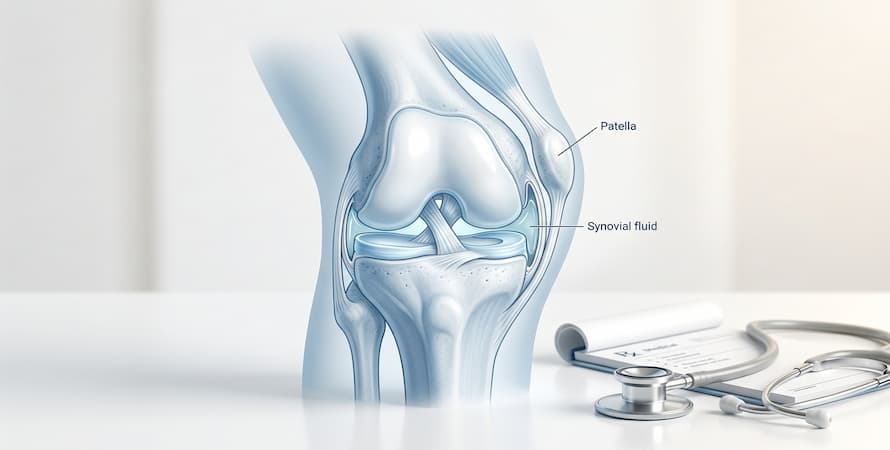


Joint pain is a widespread issue that affects millions of people around the world, with severity ranging from mild, occasional discomfort to chronic, debilitating pain that can significantly interfere with daily life. It can develop for a variety of reasons, including arthritis, the natural aging process, injuries from accidents or sports, repetitive strain, or inflammation caused by autoimmune conditions. No matter the underlying cause, persistent joint pain can make everyday tasks—such as walking, climbing stairs, bending, or even sitting comfortably—challenging, which can negatively impact mobility, independence, and overall quality of life.
Understanding what to take for joint pain is crucial for effectively managing symptoms and maintaining joint health over the long term. There are multiple options available, ranging from over-the-counter medications and prescription treatments to natural remedies and dietary supplements, each targeting different aspects of joint discomfort, such as inflammation, stiffness, or cartilage support. When chosen carefully, these approaches can not only relieve pain but also improve mobility, reduce inflammation, and support the structural health of your joints.
In this comprehensive guide, you’ll find practical and actionable advice on safe, effective options for managing joint pain. Whether you are looking for short-term relief, long-term joint support, or natural strategies to complement medical treatments, the information provided here will help you make informed choices. By following these recommendations, you can take meaningful steps toward feeling more comfortable, staying active, and preserving your joint health for years to come.
Understanding Joint Pain
Before deciding what to take for joint pain, it’s important to understand the different types, causes, and areas commonly affected.
Types of Joint Pain
Joint pain can generally be classified as:
Acute Pain: Sudden, sharp pain often caused by injury, overuse, or trauma. This type usually resolves once the underlying issue heals.
Chronic Pain: Persistent or recurring pain lasting weeks or months, often linked to conditions like arthritis, autoimmune disorders, or long-term joint degeneration.
Common Joints Affected
While joint pain can occur anywhere in the body, certain areas are more prone to discomfort:
Knees: Commonly affected by osteoarthritis, injury, or overuse.
Hips: Pain here may stem from arthritis, bursitis, or joint instability.
Hands and Fingers: Often affected by rheumatoid arthritis or repetitive strain.
Shoulders: Can be impacted by tendonitis, bursitis, or joint degeneration.

Why Joint Pain Occurs
Joint discomfort arises from several underlying factors:
Inflammation: Swelling of the joint lining or surrounding tissues can cause pain, stiffness, and warmth.
Cartilage Breakdown: Wear and tear over time can erode cartilage, reducing cushioning between bones and leading to osteoarthritis.
Autoimmune Factors: Conditions like rheumatoid arthritis cause the immune system to attack joint tissues, leading to chronic pain and inflammation.
Understanding these causes helps in choosing effective treatments, whether it’s what to take for joint pain for targeted relief or what to take for joint and muscle pain when discomfort spreads to surrounding muscles.
Over-the-Counter Medications
For many people, over-the-counter (OTC) medications are the first line of defense against joint discomfort. They are easily accessible and can provide effective relief for mild to moderate pain. Whether you’re dealing with general joint pain or specific issues like knee discomfort, knowing your options helps you decide what to take for knee joint pain safely and effectively.
Pain Relievers
Acetaminophen (Tylenol)
Ideal for mild joint pain without inflammation.
Works by blocking pain signals in the brain but does not reduce swelling.
Often recommended for people who cannot take NSAIDs due to stomach sensitivity or other conditions.
Nonsteroidal Anti-Inflammatory Drugs (NSAIDs)
Examples include ibuprofen and naproxen.
Reduce both pain and inflammation, making them particularly useful for arthritis or joint flare-ups.
Can be taken orally in tablet form or as a liquid.
Important: Follow dosage instructions and consult a doctor if you have underlying health conditions, as long-term NSAID use can affect the stomach, kidneys, or heart.
Topical Treatments
Topical creams, gels, and patches provide localized relief directly at the affected joint. Common ingredients include:
Menthol or capsaicin: Provide a cooling or warming sensation that distracts from pain.
Topical NSAIDs: Reduce inflammation in the targeted area without the systemic effects of oral NSAIDs.
Why Topicals Are Effective:
Targeted application means faster relief for specific joints, like the knee.
Can be used alongside oral medications or other treatments.
Often preferred for people concerned about side effects from systemic painkillers.
For those struggling with knee discomfort, combining oral OTC medications with topical treatments can be an effective way to manage pain. Knowing what to take for knee joint pain ensures proper relief while supporting overall joint health.
Best Joint Support Supplements

- Flexoplex
Flexoplex is promoted as a comprehensive joint support supplement designed not just to relieve pain, but to support long-term joint health. It aims to improve mobility, reduce stiffness, and help with joint comfort and flexibility. Many users report positive outcomes, including less joint pain, improved mobility, and better overall comfort. For individuals dealing with chronic joint discomfort or age-related stiffness, Flexoplex is often highlighted as a supplement that supports joint function rather than only masking pain. Its multi-aspect approach—targeting flexibility, comfort, and long-term joint health—makes it stand out among joint supplements. Read the full Flexoplex Review in detail.

- LivingWell Super Joint Support
LivingWell Super Joint Support might offer relief from joint stiffness or discomfort and could support joint maintenance for users experiencing mild to moderate joint issues, such as occasional soreness or aging-related stiffness. Effectiveness may vary, and it may not provide strong, guaranteed relief for severe joint problems. Read the full LivingWell Super Joint Support Review in detail.

- Salt Wrap Joint Clinic
Salt Wrap Joint Clinic likely targets users with joint stress, occasional inflammation, or discomfort, possibly from overuse or mild arthritis. It may help with joint recovery or temporary comfort but might be more suitable for short-term or mild joint discomfort rather than chronic or serious joint degeneration. Read the full Salt Wrap Joint Clinic Review in detail.

- Ultimate Gold Joint Care
Ultimate Gold Joint Care might help relieve joint stiffness or occasional pain, and some users may find improvement in mobility or comfort, particularly if their joint issues are mild or moderate. Like many joint supplements, results can vary widely depending on the severity of the condition, lifestyle, and other treatments or habits. Read the full Ultimate Gold Joint Care Review in detail.
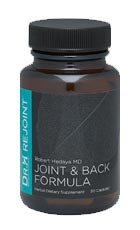
- Dr. H Rejoint
Publicly available information about Dr. H Rejoint appears limited. Any claimed benefits are uncertain, and it might not be possible to verify whether it delivers significant relief, long-term support, or consistent outcomes compared to better-known joint supplements. Read the full Dr. H Rejoint Review in detail.
Natural Remedies and Lifestyle Approaches
In addition to medications and supplements, adopting natural remedies and lifestyle approaches can play a major role in managing joint discomfort and supporting long-term joint health. While these methods may not replace medical treatments entirely, they can complement them by reducing pain, improving flexibility, and enhancing overall joint function. Combining lifestyle strategies with informed choices about what to take for joint pain can provide a more holistic approach to managing discomfort and maintaining mobility.
- Anti-Inflammatory Diet
Eating an anti-inflammatory diet can have a significant impact on joint health by reducing inflammation, relieving stiffness, and improving overall mobility. Incorporating omega-3 rich foods, such as fatty fish, walnuts, and flaxseeds, along with a variety of colorful fruits, vegetables, and whole grains, provides essential nutrients that support joint function. At the same time, avoiding processed foods, refined sugars, and excessive saturated fats can help minimize joint flare-ups and reduce chronic inflammation. Following such a diet not only supports general health but can also complement any treatment plan for what to take for joint pain, enhancing the effectiveness of medications, supplements, or other therapies.
- Weight Management
Maintaining a healthy weight is another crucial factor in protecting joints, particularly weight-bearing ones like the knees, hips, and lower back. Even modest weight loss can substantially reduce pressure on joints, decrease pain, and improve overall mobility. For individuals experiencing both joint and muscle discomfort, combining weight management with other strategies, such as exercise and dietary adjustments, may further support joint stability and reduce strain. This approach aligns well with informed decisions about what to take for joint and muscle pain, creating a synergistic effect for improved comfort and functionality.
- Gentle Exercise
Engaging in low-impact exercises such as swimming, yoga, Pilates, or gentle aerobics can strengthen the muscles surrounding the joints, increase flexibility, and improve overall joint stability. Consistent physical activity encourages blood flow to the joints, nourishes cartilage, and helps maintain a healthy range of motion. Even short daily sessions can make a noticeable difference in reducing stiffness, preventing further joint deterioration, and supporting long-term mobility. Regular exercise also complements any supplementation or medication regimen, enhancing the effects of interventions aimed at relieving joint pain.

- Heat and Cold Therapy
Heat therapy—using warm compresses, heating pads, or warm baths—can relax tight muscles, improve circulation, and alleviate stiffness in affected joints. Conversely, cold therapy—such as ice packs or cold compresses—can help numb acute pain, reduce swelling, and decrease inflammation during flare-ups. Alternating between heat and cold treatments can provide targeted relief for aching joints and surrounding muscles, making daily activities more manageable and comfortable. These therapies can be particularly effective when combined with other approaches, including natural remedies and supplementation, to provide comprehensive joint care.
By combining these natural remedies and lifestyle strategies with thoughtful decisions about what to take for joint pain or what to take for joint and muscle pain, you can develop a comprehensive plan for managing discomfort. This approach not only helps reduce pain and inflammation but also supports joint health, enhances mobility, and improves overall quality of life, allowing you to stay active and enjoy daily activities with greater comfort and confidence.
FAQs — Quick Answers
Q: What is the single best supplement to take for joint Pain?
A: There is no single best supplement. When asked what to take for joint Pain, consider evidence-backed options like omega-3s, glucosamine, and curcumin as part of a broader plan.
Q: How long before I’ll know whether a supplement helps?
A: Give supplements 4–12 weeks to show effects. Track symptoms when testing options for what to take for joint Pain or what to take for joint and muscle pain.
Q. What are the main causes of joint pain?
A: One of the most common questions people search on Google is about the causes of joint pain. It can result from arthritis, injuries, aging, inflammation, autoimmune conditions, or repetitive strain. Conditions like osteoarthritis, rheumatoid arthritis, and gout are frequently cited. Lifestyle factors such as poor posture, lack of exercise, or excess weight can also worsen discomfort. Identifying the cause is key to finding effective relief.
Q: How can I relieve joint pain naturally?
A: Many people search for ways to manage joint pain without medication. Natural remedies include eating an anti-inflammatory diet rich in fruits, vegetables, and omega-3 fatty acids, maintaining a healthy weight to reduce stress on joints, and doing low-impact exercises such as yoga, swimming, or walking. Heat and cold therapy can also help relieve stiffness and inflammation. Combining these approaches with supplements or medications can improve joint health and comfort.
Conclusion
Managing joint pain effectively often requires a comprehensive, multi-faceted approach rather than relying on a single method. Understanding the specific nature of your joint issues—whether caused by arthritis, injury, inflammation, or age-related wear and tear—is the first step toward finding relief. From there, choosing the right medications or supplements and incorporating natural remedies and lifestyle adjustments can make a significant difference in reducing pain and improving joint function. Whether you are considering over-the-counter pain relievers, consulting healthcare professionals, or exploring dietary supplements, knowing what to take for joint pain allows you to make informed decisions that support both short-term relief and long-term joint health.
In addition to medications or supplements, lifestyle strategies play a critical role in managing discomfort and maintaining mobility. Maintaining a healthy weight helps reduce pressure on weight-bearing joints, while following an anti-inflammatory diet rich in fruits, vegetables, and omega-3 fatty acids can help minimize inflammation and support joint function. Gentle exercises such as swimming, yoga, or low-impact aerobics strengthen the muscles surrounding the joints, improve flexibility, and enhance overall stability. Additionally, heat and cold therapy can provide targeted relief, relax tense muscles, and reduce swelling during flare-ups.
By combining these strategies—medical interventions, supplements, natural remedies, and lifestyle adjustments—you can address joint pain holistically. This integrated approach not only helps relieve discomfort but also supports joint health over time, allowing you to move more freely, engage in daily activities comfortably, and maintain an active, fulfilling lifestyle. With consistent care and the right combination of strategies, it is possible to manage joint pain effectively and improve overall quality of life.