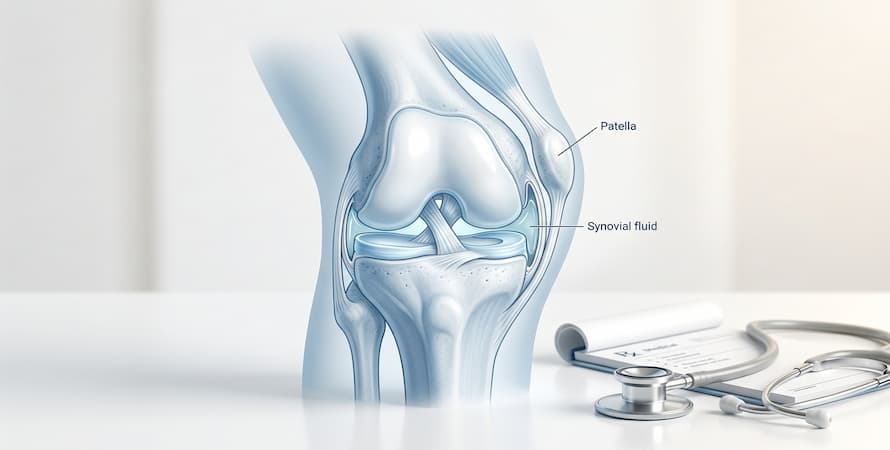


Many people notice that their joints ache, feel stiff, or even swell during rainy or humid weather, often prompting the question, “Why do my bones hurt?” Weather changes, especially drops in barometric pressure, cold temperatures, and high humidity, can affect the fluid and tissues inside the joints, causing increased pressure, inflammation, and discomfort. These changes can make even minor joint conditions feel more painful and noticeable. Common areas affected include the knees, hips, hands, and lower back, which are particularly sensitive to environmental shifts.
While this phenomenon can be frustrating, understanding why joints react to rainy weather is the first step toward effective management. In this article, we will discuss practical strategies, remedies, and preventive measures on how to stop joint pain when it rains, helping you maintain mobility, reduce discomfort, and enjoy daily activities regardless of the weather. By following these tips, you can take control of your joint health and minimize the impact of seasonal or weather-related pain.
Why Rainy Weather Triggers Joint Pain
Many people often ask, “why do my joints hurt whenever it rains?” If you’re one of them, you’re not alone. For millions of individuals, particularly those with arthritis or previous joint injuries, rainy days seem to bring stiffness, swelling, or discomfort that makes even simple movements difficult. Understanding the connection between weather and joint health is key to learning how to stop joint pain when it rains and maintain mobility throughout the year.
- Barometric Pressure Changes
Barometric pressure is essentially the weight of the atmosphere surrounding us. When rainy or stormy weather approaches, this pressure tends to drop. Joints are enclosed in capsules filled with fluid and lined with sensitive nerves. A drop in barometric pressure allows tissues in and around the joints to expand slightly, which can put pressure on these nerves and lead to increased pain and stiffness. People with osteoarthritis or prior joint injuries are especially sensitive to these pressure changes, which explains why a simple change in weather can trigger noticeable discomfort.
- Increased Humidity
High humidity often accompanies rainy weather, and it can make joints feel stiff or swollen. Moist air increases fluid retention in the body, which can affect soft tissues around joints. For individuals with conditions like rheumatoid arthritis, this increased moisture can worsen inflammation and reduce flexibility. Even those without chronic joint problems may notice that their knees, elbows, or fingers feel heavier or achier on humid days. This is one reason why many people find it harder to perform daily activities when it’s damp outside.
- Temperature Fluctuations
Rainy days often bring sudden drops in temperature, and cold weather can have a profound effect on joint comfort. Cold causes muscles, tendons, and ligaments around the joints to tighten, which limits flexibility and increases strain on already sensitive joints. This is why many arthritis patients report morning stiffness or increased pain when the temperature dips. Even minor temperature fluctuations, combined with damp air, can trigger discomfort for those prone to joint pain.
- Scientific Insights
Several studies have examined the link between weather and joint pain. For instance, research published in Arthritis & Rheumatology indicates that changes in barometric pressure are correlated with increased reports of joint pain and stiffness in people with osteoarthritis and rheumatoid arthritis. Other studies suggest that cold, damp conditions can intensify inflammatory responses in joints, making pain more noticeable. While the exact mechanisms are still being explored, the connection between weather patterns and joint discomfort is widely recognized by healthcare professionals.

Joint Conditions Most Affected
Osteoarthritis: The gradual wear and tear of cartilage makes joints more sensitive to pressure and temperature changes. Rainy days can make knees, hips, and fingers feel stiff and sore.
Rheumatoid Arthritis: Inflammatory joint disease can flare up when barometric pressure drops or when humidity increases. Study
Other chronic joint conditions: Fibromyalgia, previous joint injuries, or general joint weakness may also become more symptomatic during rainy weather.
Understanding these triggers is the first step toward managing discomfort. By staying aware of how your body reacts to weather changes, you can adopt strategies like gentle movement, heat therapy, or supportive clothing, which are all effective ways of learning how to stop joint pain when it rains. Taking proactive steps can help you stay active and reduce the impact that weather changes have on your daily life.
Lifestyle Tips to Reduce Joint Pain
For individuals living with joint conditions, especially Rheumatoid Arthritis, rainy or cold weather can intensify discomfort and stiffness. Learning how to stop joint pain when it rains often starts with making smart lifestyle choices. The following strategies can help protect your joints, reduce pain, and improve overall mobility:
- Stay Active
Keeping your body moving is one of the most effective ways to manage joint pain. Low-impact exercises such as swimming, yoga, or brisk walking strengthen the muscles around your joints, which helps absorb stress and reduce strain. Regular activity also improves blood flow and flexibility, preventing stiffness that often worsens during rainy days. Even short, gentle sessions can make a noticeable difference in how your joints feel.
- Maintain a Healthy Weight
Excess body weight places extra pressure on weight-bearing joints like the knees, hips, and lower back. For people with Rheumatoid Arthritis or other joint conditions, this added stress can exacerbate pain and accelerate joint wear over time. Maintaining a healthy weight through a balanced diet and regular exercise is crucial for minimizing discomfort and preserving joint health.
- Stretch Regularly
Stretching helps maintain flexibility and mobility, which is especially important when barometric pressure drops or humidity increases, making joints stiffer. Simple daily stretches for major joints, such as the knees, shoulders, and wrists, can reduce tension, improve range of motion, and make everyday activities easier—even on rainy or cold days. Yoga or gentle Pilates routines can also combine stretching with strengthening for extra joint support.
- Wear Warm Clothing
Keeping your joints warm can help prevent stiffness and discomfort triggered by cold or damp weather. Layering clothing, wearing supportive gloves, or using heated wraps can maintain warmth around sensitive areas such as knees, elbows, and hands. This simple step can be particularly helpful for individuals with Rheumatoid Arthritis, as it reduces joint stress and improves comfort during wet or chilly days.
By incorporating these lifestyle habits into your daily routine, you not only manage pain more effectively but also support long-term joint health. Combined with other strategies, these tips are practical and essential steps in learning how to stop joint pain when it rains, allowing you to stay active and enjoy life regardless of the weather.

Home Remedies for Rainy Day Joint Pain
For many individuals, particularly those living with Rheumatoid Arthritis, rainy or damp weather can trigger stiffness, swelling, and discomfort. While lifestyle changes are important, simple home remedies can provide additional relief and help you manage pain effectively. Understanding how to stop joint pain when it rains often begins with these practical strategies:
1. Heat Therapy
Applying heat to sore joints can relax muscles, improve blood circulation, and reduce stiffness. Options include:
Heating pads: Place a pad on aching joints for 15–20 minutes.
Warm baths or showers: Immersing your body in warm water helps loosen tight joints and promotes relaxation.
Warm compresses: Useful for targeted areas like knees, elbows, or hands.
Heat therapy is especially beneficial for those with Rheumatoid Arthritis, as it helps alleviate morning stiffness and discomfort during damp, rainy days.
2. Topical Treatments
Topical ointments, creams, or essential oils can provide localized relief by reducing inflammation or soothing aching joints. Ingredients like menthol, capsaicin, or arnica are commonly used for temporary pain relief. These treatments are easy to apply at home and can complement heat therapy to provide more consistent comfort during weather changes.
3. Dietary Adjustments
Certain foods have natural anti-inflammatory properties that support joint health. Incorporating these into your daily diet may help manage symptoms:
Turmeric: Contains curcumin, a natural anti-inflammatory compound.
Ginger: Helps reduce joint swelling and discomfort.
Omega-3 fatty acids: Found in fatty fish, flaxseed, and walnuts, these nutrients can support joint lubrication and reduce inflammation.
A balanced diet rich in anti-inflammatory foods can be a long-term strategy for controlling pain and improving mobility, particularly for individuals with Rheumatoid Arthritis.
4. Hydration
Proper hydration is often overlooked but is essential for joint health. Water helps maintain the lubrication of cartilage, reduces friction in joints, and supports overall mobility. Drinking enough water daily ensures your joints remain well-cushioned, which can lessen discomfort during rainy or cold weather.
By combining these home remedies with lifestyle habits, you can take meaningful steps toward learning how to stop joint pain when it rains, keeping your joints flexible and reducing the impact of weather changes on your daily life.
Top Supplements to Support Joint Health

Flexoplex
Flexoplex is marketed as a joint‑health supplement that aims to do more than just relieve discomfort — it supports long‑term joint maintenance by helping improve flexibility, mobility, and overall joint comfort. Many users report reduced joint stiffness and pain, especially in knees and hips, after a period of consistent use. This often leads to better day‑to‑day mobility and a more comfortable quality of life, which can be particularly meaningful for those managing chronic joint conditions such as Rheumatoid Arthritis. Because Flexoplex emphasizes joint lubrication and cushioning rather than quick fixes, it’s often considered a more gradual, maintenance‑oriented option. Read the full Flexoplex Review in detail.

LivingWell Super Joint Support
LivingWell Super Joint Support is positioned as a moderate‑strength supplement designed to support overall joint comfort and mobility. It may be helpful for general joint maintenance and mild discomfort, particularly when used regularly over time. Some users may experience modest improvements in flexibility or reduced occasional soreness, though results tend to vary significantly between individuals. Because it is not positioned as a strong therapeutic remedy, expectations should be realistic, especially for people dealing with serious or chronic conditions like Rheumatoid Arthritis. Read the full LivingWell Super Joint Support Review in detail.

SaltWrap Joint Clinic
SaltWrap Joint Clinic is promoted as a more comprehensive joint‑health supplement: beyond symptomatic relief, it aims to support connective tissue health, joint lubrication, and long‑term joint resilience. For individuals with mild to moderate joint issues — or those who want to support joint structure and mobility over time — it may offer benefits in terms of comfort and flexibility. That said, for severe or advanced joint degradation, the results may be more limited. Read the full SaltWrap Joint Clinic Review in detail.

Ultimate Gold Joint Care
Ultimate Gold Joint Care is meant primarily for long-term maintenance of joint mobility, flexibility, and general comfort. Some individuals report improvements in ease of movement and reduced occasional joint stiffness, while others note little difference — making the results fairly mixed. For people with chronic joint conditions such as Rheumatoid Arthritis, this supplement might offer mild support when combined with healthy lifestyle habits. Read the full Ultimate Gold Joint Care Review in detail.
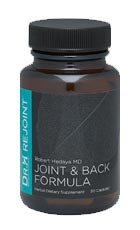
Dr. H Rejoint
Dr. H Rejoint is presented as a natural or herbal‑based supplement targeting occasional joint or back discomfort rather than chronic joint disease. It may appeal to those seeking a lighter, drug‑free option for intermittent pain or mild stiffness. However, for more serious or chronic joint issues — like Rheumatoid Arthritis — reliance solely on this kind of supplement is unlikely to produce strong or lasting results. Read the full Dr. H Rejoint Review in detail.
Frequently asked questions
Q: Why do my bones hurt when it rains?
A: Changes in barometric pressure, temperature, and personal activity can make existing joint issues more noticeable.
Q: why do my joints hurt more on damp days?
A: Cold and stiffness, plus greater attention to discomfort, are common contributors.
Q: Can Rheumatoid Arthritis be affected by weather?
A: People with Rheumatoid Arthritis may notice symptom variability with weather; disease management is the primary route to reducing flares.
Q: What is the best way to stop joint pain when it rains?
A: A layered plan — warmth, movement, appropriate medications or topicals, and lifestyle measures — is most effective.
Conclusion
Joint pain, especially during rainy or cold weather, can significantly affect daily life and mobility, particularly for individuals with conditions like Rheumatoid Arthritis. Changes in barometric pressure, humidity, and temperature can all contribute to stiffness, soreness, and discomfort, leaving many wondering, “why do my joints hurt?”
While there is no single solution, a combination of strategies can help reduce joint pain and improve quality of life. Maintaining an active lifestyle with low-impact exercises, stretching regularly, and keeping joints warm are essential lifestyle practices. At-home remedies such as heat therapy, topical treatments, a diet rich in anti-inflammatory foods, and proper hydration can further ease discomfort. For additional support, joint supplements like Flexoplex, SaltWrap Joint Clinic, Ultimate Gold Joint Care, and others may help maintain mobility, flexibility, and overall joint health.
By integrating these lifestyle habits, home remedies, and supplemental support, you can take meaningful steps toward managing joint pain and learning how to stop joint pain when it rains. Remember, consistency is key — and combining these approaches with professional medical guidance will ensure your joints stay as healthy and comfortable as possible, even on damp, rainy days.