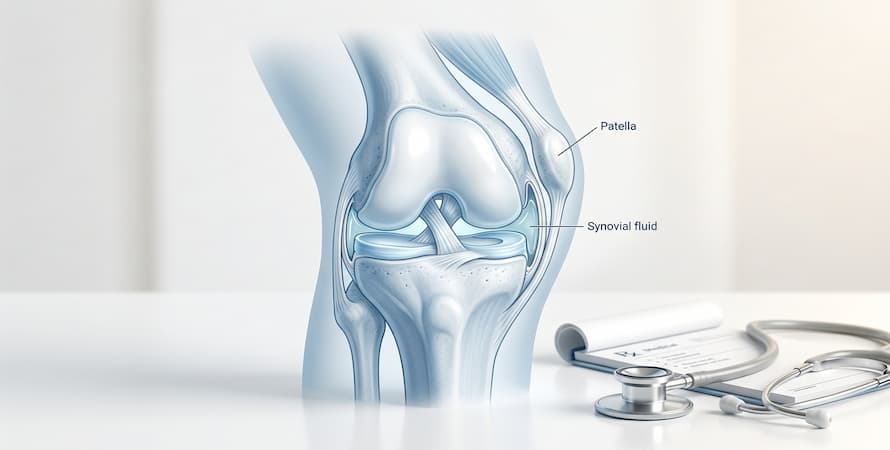


Why people seek ibuprofen alternatives for joint pain
Ibuprofen and other NSAIDs work by inhibiting cyclooxygenase enzymes (COX-1 and COX-2) to lower prostaglandin production, reducing pain and inflammation. That mechanism explains both their power and their risk: prostaglandins also protect the stomach lining, support normal kidney blood flow, and help regulate platelet function. Long-term or high-dose use of NSAIDs increases the risk of stomach ulcers and bleeding, can worsen blood pressure and kidney function, and has been associated with increased cardiovascular risk in some contexts.
Because of these risks, many people look for ibuprofen alternatives for joint pain that might provide symptom relief with a better long-term safety profile. Consumers are drawn to dietary supplements, botanical extracts, and omega-3 oils that have plausible anti‑inflammatory actions. The goal for many is not necessarily to eliminate NSAIDs entirely but to reduce reliance on them, lower overall medication burden, or pair natural therapies with lifestyle measures to improve pain and function over time.
What realistic benefits can natural anti-inflammatories provide?
It helps to set realistic expectations. A single dose of ibuprofen can relieve moderate acute pain within an hour. Most natural compounds act more slowly, often modifying baseline inflammation and improving symptoms over weeks to months rather than providing immediate rescue analgesia. Clinical trials show that specific supplements can yield modest-to-moderate symptom improvements for certain conditions, especially osteoarthritis and inflammatory arthritis, but results vary by agent, formulation, dosage, and study quality.
When evaluating a product or plan, consider four key differences between supplements and NSAIDs:
- Onset and potency: natural compounds tend to be less potent and slower in onset than NSAIDs.
- Variability: supplement quality and active ingredient content vary widely between brands.
- Evidence quality: clinical trials are heterogeneous—some are well-designed randomized controlled trials, many are small or industry-funded.
- Safety and interactions: “natural” does not mean risk-free; interactions with prescription drugs and side effects are possible.
How supplements are made and why formulation matters
Most botanical and marine supplements start with a plant or marine source and undergo extraction and concentration. Manufacturers may standardize products to a particular active constituent (for example, curcuminoid percentage in turmeric extracts or EPA/DHA levels in fish oil). Formulation choices—such as using piperine to boost curcumin absorption, converting oils to ethyl esters or triglyceride forms, or using phospholipid complexes—affect bioavailability and clinical effect. These formulation differences are particularly important when comparing Natural Alternatives to Ibuprofen for Joint Pain, as ingredient quality and absorption can significantly influence their potential effectiveness.
Quality control is a major issue. Look for third-party testing (USP, NSF, or ConsumerLab), clear labeling of amounts of active compounds, and avoidance of vague “proprietary blends” that hide ingredient doses. Purity matters for marine oils (heavy metal and oxidation testing) and for botanicals (pesticide, microbial, and mycotoxin testing). Manufacturing standards and batch-to-batch consistency determine whether a product matches the dose and potency used in clinical trials. When evaluating Natural Alternatives to Ibuprofen for Joint Pain, choosing high-quality, well-tested supplements can improve confidence that the product contains the ingredients and dosages supported by available research.

Evidence review of the main natural options
The following sections summarize the biological rationale, clinical evidence, dosing, and safety considerations for widely used natural anti-inflammatories for joint pain.
Turmeric and curcumin
Turmeric (Curcuma longa) is a spice whose primary active polyphenol, curcumin, has anti‑inflammatory and antioxidant activities. Curcumin modulates nuclear factor kappa B (NF‑κB) signaling, lowers COX‑2 expression, and reduces inflammatory cytokines in laboratory and animal studies. These multimodal effects give a plausible basis for clinical benefit.
Clinical evidence: Several randomized controlled trials and meta-analyses show that curcumin extracts can reduce pain and improve function in osteoarthritis compared with placebo; some trials report short-term effects comparable to NSAIDs. However, many studies are small, short-term, and use different extract formulations and doses, so results are heterogeneous.
Formulation and dosing: Curcumin has low natural bioavailability. Products often include piperine (black pepper extract) or use lipid-based or nanoparticle formulations to enhance absorption. Clinical study doses commonly range from 500 to 2,000 mg/day of standardized curcuminoid extracts. Because formulations differ, it is important to follow manufacturer guidance and, where possible, select products with published trial backing.
Safety and interactions: Curcumin can cause gastrointestinal upset and may affect liver enzymes and platelet function, raising interaction concerns with anticoagulants and drugs metabolized by the liver. Patients on blood thinners or with significant liver disease should consult a clinician before starting curcumin.
Practical role: Curcumin is one of the best-studied natural anti-inflammatory for joint pain and can be part of a multi-month plan to reduce symptoms and potentially lower NSAID needs. Expect 6–12 weeks to assess benefit.
Boswellia (Indian frankincense)
Boswellia serrata resin contains boswellic acids, which inhibit 5‑lipoxygenase and thereby reduce leukotriene-mediated inflammation. This mechanism differs from COX inhibition and can complement other anti-inflammatory effects.
Clinical evidence: Randomized trials and meta-analyses suggest modest pain and function benefits in osteoarthritis and some inflammatory joint disorders. Study quality varies, and dosing regimens differ between products.
Formulation and dosing: Look for boswellia extracts standardized to a known boswellic acid percentage or to specific active molecules such as AKBA. Typical trial doses vary by product; follow product-specific clinical dosing where available.
Safety: Side effects are generally mild (GI discomfort). Herb–drug interactions are not as well characterized as for some other botanicals, but because boswellia affects inflammatory pathways, discuss use with a clinician when taking other anti-inflammatory drugs.
Omega‑3 fatty acids (EPA and DHA)
Marine-based omega‑3s—eicosapentaenoic acid (EPA) and docosahexaenoic acid (DHA)—modulate inflammation by serving as precursors to specialized pro-resolving mediators (resolvins, protectins) and by competing with arachidonic acid to alter eicosanoid production. They have systemic cardiovascular benefits in addition to potential effects on joint pain.
Clinical evidence: For inflammatory arthritis such as rheumatoid arthritis, omega‑3 supplements can reduce joint pain, morning stiffness, and NSAID requirements in randomized trials. For osteoarthritis, evidence is more mixed, with some trials showing modest symptom benefit and others showing little effect.
Dosing and formulation: Clinical trials for inflammatory arthritis often used higher combined EPA+DHA doses (around 2–3 g/day or higher). For general joint support, 1–3 g/day of combined EPA and DHA is commonly used. Choose purified, third-party-tested products to minimize heavy metal exposure and oxidative degradation.
Safety and interactions: At high doses, omega‑3s can increase bleeding risk, particularly in people taking anticoagulants or antiplatelet drugs. They are generally well tolerated, though some users report fishy aftertaste, belching, or mild GI upset.
Ginger
Ginger root (Zingiber officinale) contains gingerols and shogaols that inhibit COX and lipoxygenase pathways and exhibit antioxidant effects.
Clinical evidence: Several randomized trials and meta-analyses report small to moderate reductions in knee osteoarthritis pain and improvements after exercise-related muscle soreness. Benefits are usually modest but accompanied by a favorable safety profile.
Dosing and safety: Typical doses in trials range from 500 mg to 2,000 mg/day of standardized extracts or powdered root. Ginger can cause heartburn or GI upset at high doses and may potentiate bleeding when combined with anticoagulants.
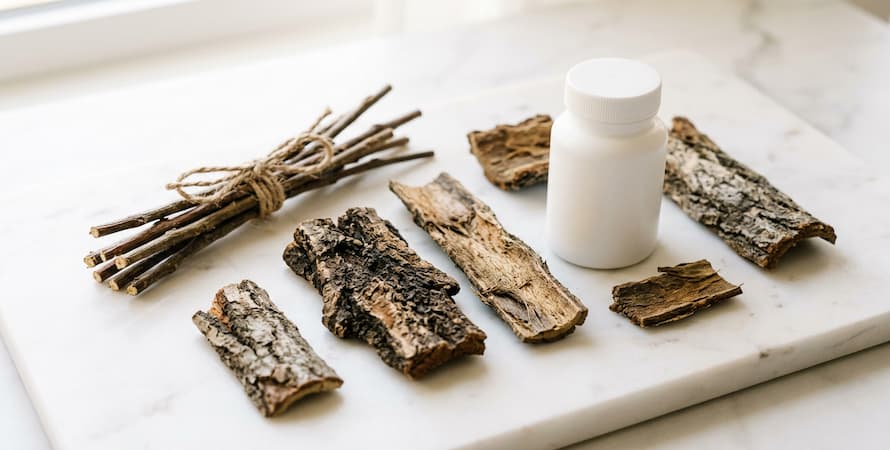
Willow bark
Willow bark contains salicin, metabolized to salicylic acid, which is similar to the active metabolite of aspirin. Because of this similarity, willow bark can provide analgesic and anti‑inflammatory effects.
Clinical evidence: Trials show mixed results—some benefit for osteoarthritis and back pain, but not as consistently reliable as standard NSAIDs. Variability in salicin content between products complicates comparisons.
Safety and interactions: Willow bark carries similar cautions as aspirin: gastrointestinal irritation and increased bleeding risk. It should be avoided with anticoagulants and used cautiously in those with peptic ulcer disease. As with aspirin, it is not recommended for children with viral illness.
Other frequently used joint supplements: glucosamine, chondroitin, MSM, collagen, and hyaluronic acid
Beyond anti-inflammatory botanicals and oils, several structural supplements aim to support cartilage, connective tissue, or joint lubrication.
- Glucosamine and chondroitin: Widely used for osteoarthritis with mixed clinical trial data. Some users experience meaningful symptom relief; meta-analyses show small-to-moderate effects for pain and function in subsets of patients. Quality and form (sulfate vs hydrochloride) matter.
- MSM (methylsulfonylmethane): An organic sulfur compound with proposed anti-inflammatory and antioxidant effects. Trials are small but suggest possible modest benefit as part of combination products.
- Collagen peptides and type II collagen: Hydrolyzed collagen peptides and undenatured type II collagen have been studied for joint comfort; some evidence suggests improved symptoms and mobility in osteoarthritis and activity-related joint pain.
- Hyaluronic acid (oral): Oral hyaluronic acid supplements are promoted for joint lubrication; evidence is limited but emerging. Injectable hyaluronic acid into the joint is a separate medical therapy with stronger localized effects for some patients.
Combining structural supplements with anti-inflammatory botanicals is common in multi-ingredient products. The key is whether each component is present in a clinically effective dose.
How to choose high-quality products
With hundreds of brands available, choosing well-made supplements is essential to increase the chance of benefit and reduce risk.
- Look for standardization: Products should list the amount of active ingredients (for example, curcuminoids 95% or EPA/DHA grams). Standardization makes it more likely the product matches trial dosages.
- Third-party testing: USP, NSF, and ConsumerLab seals indicate independent verification of contents and absence of contaminants.
- Avoid proprietary blends that hide individual ingredient amounts.
- Check for clinical evidence: Prefer products whose specific formulation has been tested in clinical trials.
- Pay attention to expiration and storage: Some oils oxidize; check for antioxidant protection and appropriate storage guidance.
Multi-ingredient joint products aim to combine anti-inflammatory botanicals (curcumin, boswellia), structural supports (glucosamine, chondroitin, collagen), and sometimes lubricants (hyaluronic acid) to address pain and joint health from multiple angles. Flexoplex and similar formulas promise synergy across mechanisms.
Strengths of combination products:
- Convenience—one product replaces multiple separate supplements.
- Potential synergy—different ingredients act on separate pathways.
Limitations to watch for:
- Ingredient dosing—many combinations include clinically subtherapeutic amounts of key ingredients to reduce cost.
- Attribution—if you feel better, it’s hard to know which ingredient caused the improvement.
Safety, interactions, and who should avoid supplements
Even natural products can cause harm. Common safety issues include gastrointestinal upset, allergic reactions, and interactions with prescription medications.
Key interactions and precautions:
- Anticoagulants and antiplatelet drugs: Turmeric, ginger, willow bark, and high-dose omega‑3s can increase bleeding risk or interact with warfarin, DOACs, and antiplatelet medications. Consult a clinician before combining.
- Liver-metabolized drugs: Curcumin and some botanicals can affect cytochrome P450 enzymes; discuss with a pharmacist if you take drugs metabolized by the liver.
- Kidney disease: NSAIDs are particularly harmful to renal perfusion; some supplements are safer alternatives, but always review kidney function with a clinician when changing therapy.
- Pregnancy and breastfeeding: Many supplements lack safety data, and several are not recommended. Pregnant or nursing individuals should seek clinician guidance before use.
- Children: Avoid willow bark and other salicylate-containing botanicals in children due to Reye-like concerns.
When to continue or choose NSAIDs:
- Acute severe pain that requires rapid relief—NSAIDs act fast and are often the best short-term option.
- Postoperative pain or acute traumatic injuries—NSAIDs are part of standard multimodal analgesia in many settings.
- Moderate-to-severe inflammatory arthritis—disease-modifying treatments (DMARDs) and biologics remain the mainstay; NSAIDs may be adjuncts for symptom control.

How to trial supplements in practice
If you want to try supplements instead of ibuprofen or to reduce NSAID reliance, use an evidence-based, cautious approach:
- Discuss the plan with your clinician or pharmacist, especially if you take prescription drugs or have chronic conditions.
- Start one product at a time to isolate effects and side effects. Avoid starting multiple new supplements simultaneously.
- Use clinically studied doses and formulations when possible. For example, select curcumin extracts with enhanced bioavailability at trial doses similar to those used in research (commonly 500–2,000 mg/day of curcuminoids, depending on the product) and omega‑3 products providing 1–3 g/day of combined EPA+DHA for joint benefits.
- Allow adequate time—most trials evaluate outcomes at 6–12 weeks or longer. If you don’t notice improvement after about 8–12 weeks, reassess with your clinician.
- Keep an outcomes diary tracking pain scores, morning stiffness, function (walking, stairs), and any side effects.
- If you can reduce NSAID dose or frequency while maintaining function and comfort, that is a clinically meaningful benefit. Regularly reassess kidney function and cardiovascular risk with your clinician if you taper or stop prescription medications.
Lifestyle measures that amplify supplement effects
Supplements work best as part of a multimodal strategy. Lifestyle measures have powerful, evidence-based effects on joint pain and overall health:
- Weight management: Losing even a small percentage of body weight significantly reduces joint load and pain, especially in the knee.
- Exercise and physical therapy: Structured programs emphasizing strength, balance, and aerobic conditioning improve pain and function in osteoarthritis and help stabilize joints.
- Dietary patterns: Mediterranean-style diets rich in fruits, vegetables, whole grains, legumes, nuts, and fish are anti-inflammatory and support cardiovascular health. Increasing dietary omega‑3s while reducing processed foods and excess omega‑6 fats can help.
- Sleep and stress reduction: Poor sleep and chronic stress amplify pain perception and inflammation. Addressing sleep hygiene, practicing relaxation techniques, and treating mood disorders improve outcomes.
- Joint protection strategies: Orthotics, assistive devices, and activity modification reduce mechanical stress that perpetuates pain.
Putting everything together: a practical roadmap
For many people with chronic, low-to-moderate joint pain, a staged plan helps balance symptom relief, safety, and long-term joint health:
- Assess severity and cause: Rule out red flags (fracture, infection, rapidly progressive disease) and confirm diagnosis (osteoarthritis, tendinopathy, inflammatory arthritis) with your clinician.
- Optimize non-pharmacologic care: Begin weight loss if needed, start a targeted exercise or physical therapy program, and adopt an anti-inflammatory dietary pattern.
- Start a single high-quality supplement if desired: Choose a product standardized to the active compound and backed by clinical evidence (for example, a bioavailable curcumin extract or a purified omega‑3 oil). Trial for 8–12 weeks while tracking symptoms.
- Titrate NSAID use: If you are currently taking ibuprofen regularly, work with your clinician to trial a reduced dose or intermittent use while monitoring pain and function. For acute flares, short-term NSAID use may still be necessary.
- Reassess and personalize: If the supplement produces benefit and side effects are minimal, continue with periodic monitoring. If there is no benefit, stop that product and consider alternatives or escalate to medical therapies as appropriate.
RELATED: Glucosamine, chondroitin and MSM
Frequently Asked Questions
Q: Can I replace daily ibuprofen with a supplement?
For some people with chronic mild-to-moderate joint pain, carefully chosen supplements used alongside lifestyle measures can allow reduced NSAID use. However, for acute severe pain, postoperative pain, or uncontrolled inflammatory disease, NSAIDs or prescription therapies remain essential. Always coordinate changes with your clinician.
Q: How long should I try a supplement before deciding it doesn’t work?
Most trials use 6–12 weeks as the minimum period to assess symptom change. Allow 8–12 weeks at an appropriate dose for many botanical and oil-based supplements. Structural supplements like glucosamine may require several months to show an effect.
Q: Are herbal options safe with blood thinners?
Certain botanicals—including willow bark, turmeric, and ginger—can increase bleeding risk or interact with anticoagulants. High-dose omega‑3s also increase bleeding tendency. People taking warfarin, DOACs, or antiplatelet agents should consult their clinician before starting these products.
Q: What should I look for on the label?
Prefer products that list standardized amounts of active constituents (curcuminoids, boswellic acids, EPA/DHA), carry third-party testing seals, and disclose full ingredient amounts rather than proprietary blends. Check serving size and daily dose, and confirm the product matches the dose used in supporting trials where possible.
Q: Can children or pregnant people use these supplements?
Many supplements lack rigorous safety data in pregnancy and childhood. Avoid willow bark in children. Pregnant or breastfeeding people should consult a clinician before using botanical or high-dose supplements.
Limitations and realistic expectations
While many people explore Natural Alternatives to Ibuprofen for Joint Pain, it is important to have realistic expectations. Even the best supplements are unlikely to provide the same rapid analgesic effect as an NSAID for acute pain. The quality of clinical evidence varies between ingredients, and individual responses differ widely—some people report meaningful symptom relief and improved mobility, while others experience little or no noticeable benefit.
Claims that over-the-counter supplements can regenerate or fully repair damaged cartilage are generally not supported by robust human research. Instead, the primary goal of Natural Alternatives to Ibuprofen for Joint Pain is typically to help manage symptoms, reduce discomfort, and improve day-to-day function as part of a broader treatment plan. Supplements should not replace appropriate medical evaluation, particularly if joint pain could be caused by inflammatory arthritis, infection, or a significant joint injury that requires timely diagnosis and treatment.
Final thoughts
Natural approaches can be meaningful components of a comprehensive plan to manage joint pain. Compounds such as curcumin, boswellia, omega-3 fatty acids, ginger, and carefully selected structural supplements have plausible mechanisms and clinical trial data supporting modest benefits. For people seeking Natural Alternatives to Ibuprofen for Joint Pain, these options—when used at appropriate doses, sourced from high-quality manufacturers, and combined with lifestyle measures—may sometimes help reduce the need for regular ibuprofen use.
However, natural therapies are not universal substitutes for NSAIDs when rapid pain relief is needed or in cases of severe inflammatory disease. Discussing any change with a healthcare professional can help ensure the approach is appropriate, particularly when other medications are involved. Set realistic expectations, as natural options often require consistent use over time rather than providing immediate relief, and monitor for potential side effects and drug interactions.