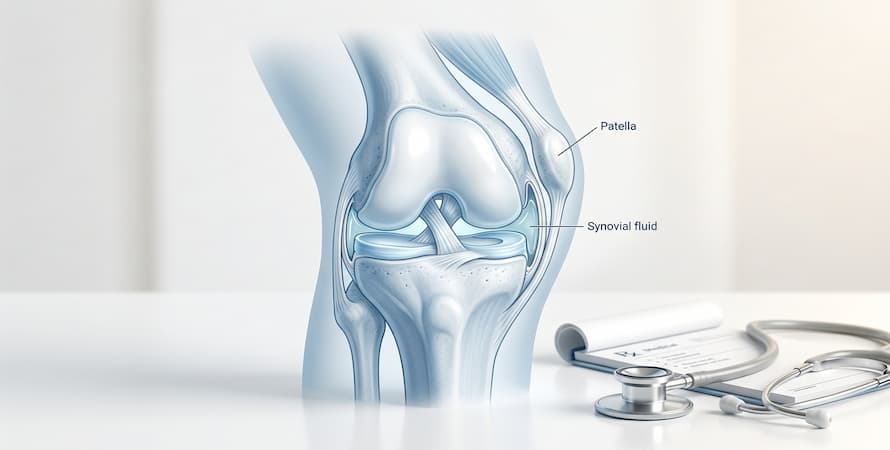


Sacroiliac (SI) joint pain is a common cause of lower back and pelvic discomfort, originating from the joints that connect the base of the spine to the pelvis. Even though these joints move only slightly, they are essential for stabilizing the body and absorbing shock during everyday activities. When the SI joints become irritated—often due to injury, pregnancy, arthritis, poor posture, or uneven movement patterns—they can cause sharp or aching pain in the lower back, buttocks, or hips. Symptoms sometimes mimic sciatica, with discomfort radiating down the leg, and may worsen with activities like standing up, climbing stairs, or shifting weight onto one side.
Diagnosis can be challenging because SI joint pain resembles other conditions, but healthcare providers often use physical exams, imaging, and sometimes diagnostic injections to pinpoint the source. Most people find relief through conservative treatments such as physical therapy, manual therapy, anti-inflammatory medication, heat or ice, and supportive SI joint belts. In more persistent cases, injections or minimally invasive procedures may be recommended. With appropriate management and lifestyle adjustments, many individuals are able to reduce symptoms and maintain healthy movement.
Understanding the Sacroiliac Joint: Anatomy and Causes
Understanding the sacroiliac joint starts with appreciating its unique structure and role within the lower spine and pelvis. The sacroiliac joints connect the sacrum—the triangular bone at the base of the spine—to the iliac bones on each side of the pelvis. Although these joints allow only a small range of motion, they are essential for maintaining stability, supporting the weight of the upper body, and helping the body absorb impact during activities like walking, running, and lifting. Because of their position and function, even slight disruptions in movement or alignment can result in sacroiliac joint pain, a condition that is often overlooked or mistaken for other types of lower back issues.
Several factors can contribute to irritation or dysfunction within the SI joints. Injuries from falls, accidents, or sudden twisting movements may strain the ligaments that support the joint. Pregnancy and childbirth can also increase stress on the area because hormonal changes loosen ligaments and shift pelvic alignment. Conditions such as osteoarthritis or inflammatory disorders may gradually wear down or inflame the joint surfaces. Additionally, muscle imbalances, poor posture, or unequal leg length can place uneven pressure on the SI joints, eventually leading to discomfort.
These underlying issues can produce a wide range of symptoms, including sharp or aching pain in the lower back, buttocks, or hips, stiffness around the pelvis, or discomfort that radiates down the leg in a pattern similar to sciatica. By understanding both the anatomy of the joint and the potential causes of dysfunction, individuals and clinicians can more effectively identify, manage, and prevent this common but often underdiagnosed source of lower back pain.

How Sacroiliac Joint Pain Presents: Key Symptoms
It often presents with a distinct pattern of discomfort that can help differentiate it from other lower back issues. The pain typically begins in the lower back or pelvis and may spread into the buttocks, hips, or groin, creating a deep, aching sensation on one or both sides. Some people experience sharp, stabbing pain when standing up from a seated position, climbing stairs, or shifting weight onto one leg. In many cases, the discomfort can mimic sciatic pain, radiating down the back of the thigh without reaching the foot.
Stiffness in the lower back, difficulty bending or twisting, and a feeling of instability in the pelvis are also common indicators. These symptoms often worsen after prolonged sitting, long walks, or activities that involve uneven movement patterns. Because the pain can vary widely from person to person, recognizing these key signs is essential for proper diagnosis and treatment. Once symptoms are identified, targeted exercises—such as gentle stretches, core strengthening, and pelvic stabilization movements—can play an important role in reducing discomfort and restoring normal function.
Diagnosing Sacroiliac Joint Pain
Medical History Review
Diagnosis begins with a detailed discussion of symptoms, activity levels, past injuries, and any factors that may contribute to sacroiliac joint pain.
This helps the clinician understand the pattern and triggers of discomfort.
Physical Examination
Providers use specific movement-based tests, often called provocation tests, to reproduce pain coming from the SI joint.
Pain during these targeted movements suggests that the sacroiliac joint may be involved.
Exclusion of Other Conditions
Since SI joint symptoms can mimic hip disorders, herniated discs, or sciatica, clinicians work to rule out these possibilities.
This step improves accuracy and avoids misdiagnosis.
Imaging Studies
X-rays, CT scans, or MRI may be used to examine surrounding structures and identify potential contributing issues.
While imaging cannot always confirm SI joint dysfunction directly, it helps eliminate other causes of pain.
Diagnostic Injections
A local anesthetic may be injected into the SI joint to see if the pain temporarily improves.
Significant relief after the injection strongly indicates that the SI joint is the source of the problem.
Assessment of Daily Habits
Clinicians may ask about posture, movement patterns, and sleeping habits.
Discussing a person’s preferred sleeping position sacroiliac joint pain relief strategies can reveal whether certain positions reduce or aggravate symptoms.
Evaluation of Functional Limitations
Difficulty with standing, walking, bending, or transferring from sitting to standing may further support an SI joint diagnosis.
These functional signs help shape the treatment plan.
Interventional Treatments: When to Consider Injections and Procedures
When conservative care fails to relieve sacroiliac joint pain, interventional procedures provide both diagnostic clarity and therapeutic benefit. Image-guided corticosteroid injections into the sacroiliac joint are useful when the symptoms persist despite the exercises, and a positive diagnostic response to injection helps target subsequent therapies such as radiofrequency ablation.
For people with chronic pain who have consistent symptoms after conservative care and appropriate sacroiliac joint pain exercises, radiofrequency ablation or minimally invasive sacroiliac joint fusion may be considered with careful patient selection. During the interventional decision-making process clinicians often reassess the symptoms, confirm which exercises have been attempted, and revisit sleeping position relief techniques to maximize non-surgical options before proceeding to procedures for sacroiliac joint pain.
Corticosteroid Injections
Corticosteroid injections into the sacroiliac joint reduce local inflammation and are a common next step when the symptoms do not respond to the exercises. A therapeutic injection can reduce the symptoms long enough for patients to intensify the exercises and to adapt sleeping position sacroiliac joint pain relief strategies.
Because steroid injections for sacroiliac joint pain are variable in duration, clinicians use the response to injection as both a treatment and a diagnostic test to confirm that sacroiliac joint pain symptoms are coming from the joint.
Radiofrequency Ablation
For patients with documented reduction in the symptoms after diagnostic blocks, radiofrequency ablation can provide months of relief by interrupting pain signals. Appropriate selection for radiofrequency ablation typically requires persistent symptoms despite the exercises and prior injection response. Following radiofrequency ablation, patients are encouraged to resume the exercises and continue attention to sleeping position sacroiliac joint pain relief to maintain gains and reduce recurrence of symptoms.
Sacroiliac Joint Fusion Surgery
When the symptoms remain severe and disabling despite prolonged conservative and interventional care, minimally invasive sacroiliac joint fusion is an option for selected patients. Surgery aims to eliminate abnormal motion and reduce the symptoms long-term; post-operative rehabilitation emphasizes the exercises and progressive return to activity.
Before pursuing fusion, patients who have explored the exercises and experimented with sleeping position sacroiliac joint pain relief strategies are better prepared for the recovery process and can set realistic expectations about how surgery may affect the symptoms over time.
Non-Surgical, First-Line Treatments
Most people with joint pain improve with conservative care that addresses mechanics, inflammation, and activity. A treatment plan for sacroiliac joint pain typically includes targeted sacroiliac joint pain exercises to strengthen the core and hips, attention to the symptoms to pace therapy, and adjustments in sleeping position sacroiliac joint pain relief to reduce night-time aggravation.
Simple measures like anti-inflammatory medications and pelvic belts support early recovery from sacroiliac joint pain while exercises rebuild stability, and monitoring the symptoms guides clinicians about when to escalate care. Patients who combine exercises with attention to sleeping position sacroiliac joint pain relief and lifestyle changes often report steady improvement in pain.

Physical Therapy and Exercise
Physical therapy is the cornerstone of pain management. Therapists teach exercises focused on pelvic stabilization, hip strength, and core endurance, and these exercises can be tailored to address the patient’s specific symptoms. Prescribed exercises often include motor control drills, targeted gluteal strengthening, and progressive functional lifts, and when these exercises are combined with proper sleeping position sacroiliac joint pain relief strategies patients typically experience more consistent pain reduction.
Adherence to exercises and gradual progression helps prevent recurrence of sacroiliac joint pain and complements other treatments aimed at addressing the symptoms.
Bracing and Activity Modification
Sacroiliac belts and pelvic compression garments provide temporary mechanical support for sacroiliac joint pain, and these tools reduce abnormal motion contributing to the symptoms. Use of a sacroiliac belt is often paired with the exercises, because combining passive support with active strengthening addresses both short-term symptoms and long-term stability.
Activity modification, including lifting technique retraining and changes in sitting posture, also helps limit activities that provoke the symptoms, and simple attention to sleeping position sacroiliac joint pain relief reduces nighttime provocation of sacroiliac joint pain and supports daytime exercises.
Role of Lifestyle, Weight Management, and Ergonomics
Lifestyle habits, weight management, and proper ergonomics play a significant role in preventing and managing musculoskeletal pain, especially conditions that affect the lower back and pelvic regions. Maintaining a healthy weight reduces strain on the spine and surrounding joints, helping to decrease inflammation and minimize stress on structures that support movement. Regular physical activity—such as walking, core strengthening, and flexibility exercises—supports balanced muscle function and improves overall posture.
Proper ergonomics are equally important; using supportive chairs, maintaining correct workstation alignment, and practicing safe lifting techniques can prevent repetitive stress and joint overload. Daily routines, including how one sits, stands, and performs physical tasks, contribute to long-term joint health. By combining mindful lifestyle choices, weight control, and ergonomic awareness, individuals can reduce the risk of discomfort, support spinal stability, and promote better overall mobility.
Practical Consumer Tips for Combining Supplements with Treatment
For individuals dealing with the pain, combining supplements with conventional treatments can support joint health and improve overall comfort. One popular option is the Flexoplex joint pain supplement, which contains ingredients aimed at reducing inflammation and supporting joint function. When incorporating supplements, it is important to consult a healthcare provider to ensure they complement your current medications or therapies safely.
Supplements are most effective when paired with active treatments, such as physical therapy, targeted exercises, and lifestyle adjustments, which help stabilize the pelvis and strengthen supporting muscles. Consistency is key: take supplements as directed, maintain proper posture, and follow your treatment plan. Keeping track of symptoms can help you assess which combinations of supplements and therapies provide the most relief. By thoughtfully integrating supplements like Flexoplex with established treatment strategies, individuals can take a proactive approach to managing sacroiliac joint pain.
Practical Guides: Exercises and Sleeping Positions
Pelvic Tilts
Lie on your back with knees bent and feet flat on the floor.
Gently tilt your pelvis upward, engaging your core and glutes.
Helps stabilize the SI joint and reduce the pain.
Bridges
Lie on your back with knees bent, lift your hips toward the ceiling while keeping shoulders on the floor.
Strengthens glutes and lower back muscles to support the SI joint.
Core Stabilization Exercises
Include gentle planks, bird-dogs, or dead bugs.
Strengthens core muscles that help maintain proper pelvic alignment.
Stretching
Hip flexor stretches, piriformis stretches, and hamstring stretches can relieve tension around the SI joint.
Helps improve flexibility and reduce pain during movement.
Sleeping Position for Sacroiliac Joint Pain Relief
Sleep on your side with a pillow between your knees to keep hips aligned.
Alternatively, sleep on your back with a small pillow under your knees.
These adjustments are effective sleeping position sacroiliac joint pain relief strategies that reduce nighttime discomfort.
Consistency and Monitoring
Perform exercises daily or as recommended by a healthcare provider.
Track which positions and exercises provide the most relief to fine-tune your routine.
Common Questions About Sacroiliac Joint Pain
Q: How long does it take for sacroiliac joint pain to improve with exercises?
A: Many patients notice improvements in the symptoms within 4–12 weeks of consistent exercises, but times vary and ongoing attention to sleeping position sacroiliac joint pain relief speeds recovery.
Q: Can sleeping position sacroiliac joint pain relief alone fix sacroiliac joint pain?
A: Sleeping position can reduce nighttime aggravation of the symptoms but rarely resolves the underlying mechanics unless combined with the exercises.
Q: Are greens powders effective for sacroiliac joint pain?
A: Greens powders may support overall health and reduce systemic inflammation in a general sense, but they should be used alongside the exercises and other treatments rather than as sole therapy for the symptoms.
Final Thoughts
It is a common yet often underdiagnosed source of lower back and pelvic discomfort. Understanding the joint’s anatomy, recognizing key symptoms, and seeking proper diagnosis are essential first steps in managing this condition effectively. Lifestyle factors, weight management, and ergonomics play a crucial role in reducing strain on the SI joint, while targeted exercises and mindful sleeping positions can provide significant relief.
For those seeking additional support, supplements such as Flexoplex, when used alongside treatment, may complement symptom management. By combining informed lifestyle choices, consistent exercises, and strategies like sleeping position sacroiliac joint pain relief, individuals can actively reduce discomfort, improve mobility, and maintain a better quality of life. Early intervention and a holistic approach remain key to long-term joint health and functional well-being.