

Joint pain affects millions of people worldwide, and as interest in natural healing continues to rise, many individuals are searching for alternative remedies that offer gentle yet effective support. Whether caused by arthritis, inflammation, aging, or daily lifestyle habits, joint discomfort can significantly limit mobility and quality of life. This is why exploring natural options such as learning how to use avocado seed for joint pain has become increasingly popular.
The avocado seed—also called the avocado pit or avocado stone—is the large round kernel found at the center of the fruit. While most people discard it, growing interest in its antioxidant and anti-inflammatory compounds has led some to explore how to use avocado seed for joint pain. Although laboratory studies have identified potentially beneficial plant compounds, clinical evidence in humans remains limited, and avocado seed should not replace proven treatments for arthritis or chronic joint pain.
The avocado seed—long discarded as kitchen waste—is now gaining recognition for its anti-inflammatory and antioxidant properties. Emerging holistic practices highlight its potential to complement traditional wellness routines and possibly support arthritis pain relief. Although avocado seed remedies should not replace medical treatment, many people find them worth exploring as part of a broader wellness approach.
This article will guide you through how to use avocado seed for joint pain, potential avocado seed benefits, preparation methods, topical uses, simple recipes, and essential safety considerations so you can decide if this natural remedy fits your lifestyle.
Understanding Joint Pain
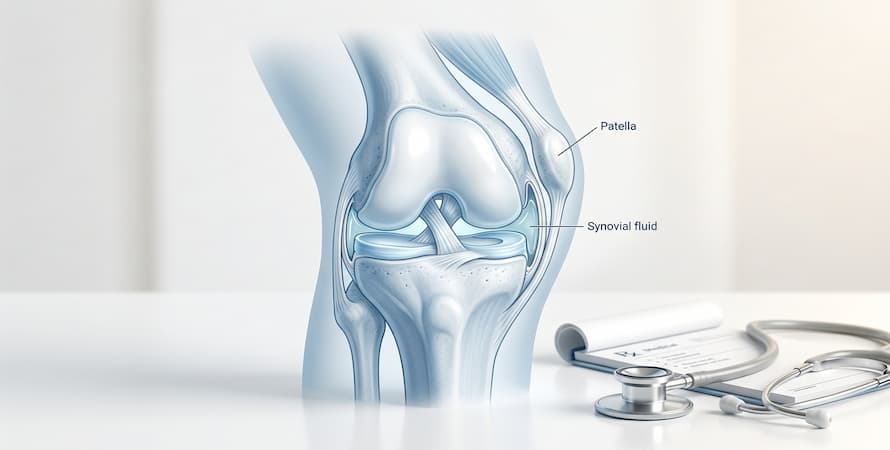
Joint pain is discomfort, swelling, or stiffness that occurs where two bones meet. The severity can range from mild soreness to chronic pain that interferes with daily movement. Understanding the root cause helps in determining whether natural methods like learning how to use avocado seed for joint pain may offer supportive relief.
Inflammatory joint pain stems from conditions such as arthritis, gout, rheumatoid arthritis, and bursitis. These disorders often involve the immune system or metabolic imbalances, causing inflammation around the joint. Mechanical joint pain, on the other hand, results from wear and tear—often due to aging, repetitive movements, or injury.
Osteoarthritis, one of the most common causes, happens when cartilage wears down, reducing joint cushioning. Rheumatoid arthritis involves immune-related inflammation of the joint lining. Gout stems from excess uric acid forming sharp crystals in joints. While the causes vary, inflammation remains a central factor—which is why exploring how to use avocado seed for joint pain may appeal to people seeking natural anti-inflammatory support.
Avocado Seed: Nutritional Profile & Active Compounds
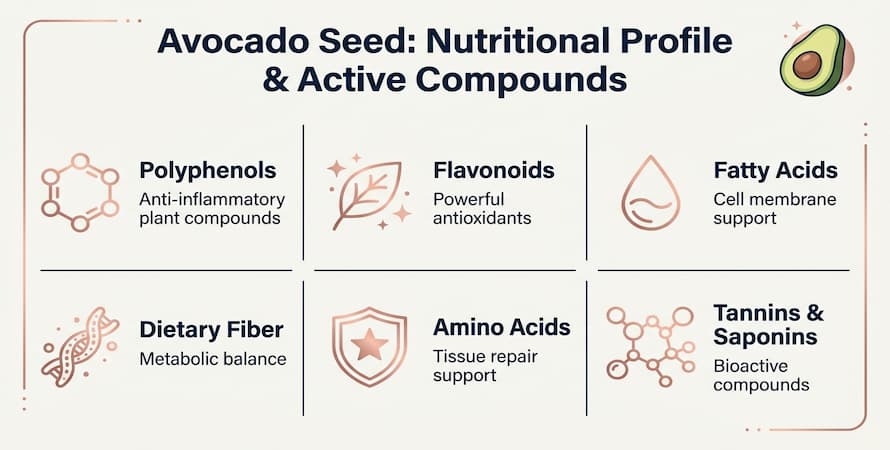
The avocado seed contains an impressive range of nutrients that may contribute to joint and cartilage health. Many of the avocado seed benefits come from its rich concentration of antioxidants, polyphenols, flavonoids, amino acids, and natural anti-inflammatory compounds. These properties are part of the reason people are curious about how to use avocado seed for joint pain.
Polyphenols and flavonoids are powerful plant compounds known for combating oxidative stress. Oxidative stress can accelerate tissue breakdown and inflammation—two major contributors to chronic joint issues. Fatty acids found in avocado seed may support cell membrane health, while its high fiber content contributes to overall metabolic balance.
Some studies indicate that avocado seed extract shows promising anti-inflammatory activity, although research is still evolving. This early evidence has contributed to public interest in learning how to use avocado seed for joint pain naturally. While it is not a medical treatment, incorporating avocado seed into food or topical preparations may offer complementary support.

Potential Benefits of Avocado Seed for Joint Pain
Many people exploring natural arthritis pain relief are increasingly turning to avocado seed because of its rich nutrient profile and traditional use in natural wellness practices. While avocado seed is often discarded, it actually contains polyphenols, antioxidants, and plant compounds that may contribute to joint comfort. For individuals wanting to learn how to use avocado seed for joint pain, understanding its potential benefits can help them incorporate it more effectively into their wellness routine. Below are the key ways avocado seed may support joint health, along with expanded explanations to help you make informed choices.
1. Anti-Inflammatory Properties
Inflammation plays a pivotal role in nearly all forms of joint discomfort, from mild stiffness to chronic arthritis. Compounds within avocado seed—particularly polyphenols and flavonoids—are thought to naturally help calm inflammatory pathways. These compounds may work by reducing the activity of free radicals and inflammatory enzymes that contribute to joint swelling and pain.
For individuals researching how to use avocado seed for joint pain, the anti-inflammatory potential is one of the most compelling reasons to try this natural remedy. Although it is not a replacement for medical treatment, many people find that adding avocado seed powder or topical preparations helps complement their existing strategies for arthritis pain relief.
2. Antioxidant Support
Oxidative stress is another major contributor to joint degeneration and pain. It occurs when the body accumulates too many free radicals, which can damage cartilage, reduce mobility, and worsen long-term joint health. Because avocado seed is rich in antioxidants, including flavonoids and phenolic compounds, it may help counteract these harmful processes.
When used thoughtfully, avocado seed may provide an additional layer of antioxidant support, helping to shield joint tissues from further damage. This benefit is often cited among the top avocado seed benefits, especially for those who experience recurring inflammation or who want a natural approach to preserving joint function.
Learning how to use avocado seed for joint pain through teas, powders, or topical applications can be a simple way to integrate more antioxidants into your routine.
3. Improved Circulation
Healthy blood flow plays a crucial role in maintaining joint comfort, as it delivers nutrients and oxygen necessary for tissue repair. Some individuals report that avocado seed preparations—such as warm teas or homemade balms—help gently stimulate circulation. Better circulation can support warmth in stiff joints, promote relaxation, and assist in reducing localized discomfort.
Improving circulation is also beneficial for those who experience cold-induced stiffness or sluggish joint mobility. By exploring how to use avocado seed for joint pain in warming herbal teas or topical formulas, individuals may experience a soothing effect that supports overall joint comfort during daily activities.
4. Support for Cartilage Health
Cartilage acts as a cushion between bones, and when it breaks down—as in osteoarthritis—pain, grinding, and stiffness often follow. Compounds found in avocado seed, especially polyphenols, may help support cartilage structure. While avocado seed cannot regrow cartilage or serve as a stand-alone treatment, it may play a complementary role in protecting existing tissue from further oxidative damage.
People who integrate avocado seed benefits into their routine often do so alongside stretching, proper hydration, and anti-inflammatory foods to create a more holistic approach to arthritis pain relief. As research continues, avocado seed remains a promising option for supporting long-term joint health.
5. Complementary Natural Pain Relief
Avocado seed is most effective when incorporated into a broader regimen of natural and lifestyle-based strategies for joint comfort. This includes balanced nutrition, gentle exercise, massage therapies, warm compresses, and adequate rest.
Many individuals enjoy creating DIY remedies like avocado seed paste, balms, or even avocado pit spray as part of their wellness practice. These preparations offer a convenient and natural way to apply avocado seed directly to painful areas, potentially enhancing comfort and relaxation.
Because joint pain often has multiple contributing factors—such as inflammation, stiffness, and stress—using avocado seed in combination with other natural approaches may help create a more comprehensive routine. This makes it especially valuable for people wanting to learn how to use avocado seed for joint pain as part of a gentle, supportive care plan rather than a stand-alone cure.
How to Use Avocado Seed for Joint Pain
This core section outlines various practical ways to use avocado seed safely and effectively. Each method is suitable for those exploring how to use avocado seed for joint pain at home.
1. Avocado Seed Powder
How to Make It:
- Remove the seed and wash it well.
- Dry it completely.
- Carefully cut it into smaller pieces.
- Dehydrate in the oven at low heat or air dry for 2–3 days.
- Blend into a fine, smooth powder.
How to Use It:
- Add ½–1 teaspoon to smoothies, soups, or teas.
- Stir into warm water for a mild infusion.
- Combine with turmeric or ginger for enhanced anti-inflammatory results.
This is one of the most popular ways people learn how to use avocado seed for joint pain due to its versatility.

2. Avocado Seed Tea
Preparation:
- Slice the seed into smaller pieces.
- Boil for 10–15 minutes.
- Strain and drink warm.
Tea is a gentle method for those new to learning how to use avocado seed for joint pain, and the warmth may soothe stiff joints.
3. Avocado Seed Oil
Available in limited specialty markets, avocado seed oil can be eaten or applied topically. Because of its anti-inflammatory nature, some individuals use it to massage swollen joints. This method aligns with avocado seed benefits related to skin absorption and circulation.
4. Avocado Seed Topical Paste
Preparation:
- Mix seed powder with coconut oil or olive oil.
- Apply to painful joints.
- Leave for 20–30 minutes.
- Rinse thoroughly.
This is a direct method for those wanting quick arthritis pain relief support.
5. Avocado Seed Balm
Create a richer balm by blending:
- Seed powder
- Beeswax
- Shea butter
- Essential oils (optional)
Great for persistent discomfort, this balm may complement methods such as avocado pit spray for joint soothing.
Recipes Featuring Avocado Seed
1. Anti-Inflammatory Avocado Seed Smoothie
Ingredients
- ½ teaspoon avocado seed powder
- 1 cup unsweetened almond milk
- 1 cup fresh spinach
- ½ cup mixed berries (blueberries or strawberries)
- ½ teaspoon freshly grated ginger
- ½ banana (optional, for sweetness)
- Ice cubes (optional)
Instructions
- Add the almond milk to a blender.
- Add the spinach, berries, ginger, and avocado seed powder.
- Blend until smooth and creamy.
- Add ice if desired and blend again.
- Serve immediately.
Serving suggestion: Enjoy as a breakfast smoothie or post-workout snack.
Recommended frequency: If you choose to use avocado seed, limit it to 2–3 times per week, as there is no established safe daily intake.
2. Avocado Seed & Turmeric Tea
Ingredients
- 1–2 tablespoons dried avocado seed pieces
- 2 cups water
- ½ teaspoon ground turmeric
- ¼ teaspoon black pepper (optional, to improve turmeric absorption)
- 1 teaspoon honey (optional)
Instructions
- Bring the water to a boil in a saucepan.
- Add the dried avocado seed pieces and simmer for 15–20 minutes.
- Stir in the turmeric (and black pepper if using).
- Strain the tea into a mug.
- Sweeten with honey if desired and serve warm.
Serving suggestion: Drink as a warm beverage in the evening or after meals.
Recommended frequency: Limit to 1 cup, 2–3 times per week, as the safety of regular avocado seed consumption has not been established.
3. Golden Paste & Avocado Seed Cream
Ingredients
- 1 teaspoon avocado seed powder
- 1 teaspoon turmeric powder
- 1 tablespoon coconut oil or olive oil
- A pinch of black pepper (optional)
Instructions
- Mix the avocado seed powder and turmeric in a small bowl.
- Add the oil and stir until a smooth paste forms.
- Apply a thin layer to the affected joint.
- Leave on for 15–20 minutes, then rinse with warm water and pat the skin dry.
Serving suggestion: Use as a topical home remedy for temporary comfort after physical activity or at the end of the day.
Recommended frequency: Apply 2–3 times per week. Perform a patch test before first use and discontinue if skin irritation occurs.

Safety Considerations & Side Effects
People who may appreciate avocado seed benefits include:
- Those with mild to moderate joint stiffness
- Individuals seeking anti-inflammatory dietary boosts
- People with lifestyle-related joint discomfort
- Anyone looking for complementary methods alongside physical therapy or prescribed routines
For many, learning how to use avocado seed for joint pain offers a simple way to integrate natural wellness practices into daily life.
Other remedies that can accompany how to use avocado seed for joint pain include:
- Turmeric & curcumin
- Ginger
- Omega-3 fatty acids
- Warm compresses
- Stretching & low-impact exercise
- Hydration
- Anti-inflammatory diet
- Magnesium-rich foods
Combining these with avocado seed may enhance overall wellness and arthritis pain relief.
When to See a Healthcare Professional
Conclusion
Avocado seed is a surprisingly versatile natural remedy gaining attention for its potential to support joint comfort. Whether used in powder, tea, paste, or balm form, learning how to use avocado seed for joint pain can help individuals explore gentle, holistic approaches to joint support. While not a substitute for medical care, it may complement existing wellness routines and contribute to mild arthritis pain relief.
With its antioxidants and anti-inflammatory compounds, the seed offers meaningful avocado seed benefits for those seeking natural support. As always, use avocado seed in moderation, stay mindful of your body’s response, and consult a healthcare provider if needed.
Exploring how to use avocado seed for joint pain opens the door to accessible, sustainable, and empowering natural solutions—reminding us that sometimes, healing begins with ingredients we already have at home.