

Why this matters now

How We Chose These Products
To identify the best herbal supplement set options we focused on five consumer priorities:
- Ingredient breadth: Do the bundles include a multivitamin base, adaptogens, probiotics, and a greens or phytonutrient powder?
- Ingredient quality: Standardized herbal extracts, bioavailable nutrient forms, and clearly labeled probiotic strains and CFU counts.
- Third-party testing and certifications: Evidence of independent lab verification for potency and contaminants.
- Value: Is the bundle comparable in cost to buying equivalent single products? Does it offer convenience savings?
- Ease of use: Single-packet routines, scoop powders, or modular bundles that fit different lifestyles.
Well-conducted randomized trials, systematic reviews, and authoritative sources such as the NIH Office of Dietary Supplements were used to weigh claims—especially for adaptogens, probiotics, and greens powders. When the evidence is preliminary or mixed, that nuance is spelled out.
Top pick — NUU3: Best all-in-one approach (gut support + greens + herbal nutrition)

Why it stands out
NUU3 positions itself as a comprehensive daily product that pairs a full-spectrum greens powder with standardized herbal adaptogens and clinically supported probiotics. If you want a single-step routine that targets phytonutrients and gut balance together, NUU3 is a leading contender for the best herbal supplement set choice.
Detailed ingredient profile
- Greens and superfoods: organic grasses, spirulina, chlorella, and fruit antioxidants to broaden phytonutrient intake.
- Adaptogens: standardized extracts of ashwagandha, rhodiola, and schisandra intended to support stress resilience.
- Probiotics: multiple Lactobacillus and Bifidobacterium strains with stated CFU counts to support gut microbiome balance.
- Vitamins & minerals: a baseline complement including B vitamins, vitamin D, magnesium, and zinc.
Quality and transparency
NUU3 lists strain-level information for probiotic components and indicates third-party testing for contaminants and potency. Standardized extracts for herbs help ensure more predictable levels of active constituents than non-standardized powders.
Who it’s best for
This product works well for adults who want a single daily herbal supplement set for adults that supports gut health and broad nutrient coverage in a powder format. It’s a convenient match for those who prefer dissolving a scoop into water rather than swallowing multiple capsules.
Practical considerations
Greens powders can have vegetal or sea-like flavors that some people find challenging; mixing with juice or a smoothie can improve palatability. As with any product that includes probiotic strains, follow storage and use instructions to preserve viability. If you are pregnant, immunocompromised, or taking immune-modulating medications, check with a clinician before beginning any new probiotic-containing product.
Read the full NUU3 Supergreens Review in detail.
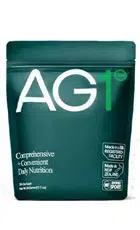
Athletic Greens (AG1): Best-known comprehensive greens + adaptogens + probiotics
Why it stands out
AG1 is widely recognized as a premium, all-in-one greens powder marketed for daily ritual and convenience. It combines a broad vitamin-mineral profile, digestive enzymes, multiple probiotic strains, and adaptogenic herbs in a single scoop.
Ingredient profile and transparency
AG1 includes a wide range of vitamins and minerals, plant extracts, and functional ingredients. The brand emphasizes sourcing and quality control, but many ingredients are included in proprietary blends, which obscures the exact dosing of individual herbs or extracts. AG1 does provide third-party heavy metal testing and quality assertions, which helps mitigate concerns about contaminants.
Who it’s best for
If you’re seeking a well-known daily herbal supplement for adults that combines foundational micronutrients with greens and adaptogens and you value streamlined morning routines, AG1 is a popular choice. It’s particularly attractive for people who prioritize a single scoop solution and brand assurance.
Things to watch for
Proprietary blends can be a drawback if you want to know precise doses—especially for adaptogens where effective dosing matters. AG1 also sits at a premium price point relative to many greens powders, so weigh convenience against your budget and whether you need separate higher-dose targeted supplements.
Read the full Athletic Greens (AG1) review in detail.
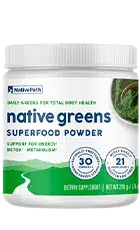
Native Greens
Why it stands out
Native Greens stands out for its blend of 21 whole-food, organic ingredients in a convenient powder format. The formula is also nightshade-free and may be designed to support areas such as digestion, energy, and overall nutritional intake.
Ingredient quality
The formula includes organic wheatgrass, spirulina, alfalfa, barley grass, spinach, broccoli, kale, beetroot, pomegranate, blueberries, chia, turmeric, ginger, and other plant-based ingredients. Native Greens may also be manufactured in a GMP-certified U.S. facility, with Certificates of Analysis reportedly available for quality verification.
Who it’s best for
Native Greens might be suitable for adults looking for a convenient way to increase their intake of organic greens, fruits, vegetables, and plant-based nutrients. It may particularly appeal to people interested in supporting everyday digestion, energy, and general wellness, as well as those looking for a nightshade-free greens formula.
Trade-offs
The main trade-offs might include its $69.99 price for 30 servings, taste preferences, and the need for consistent daily use. Some users might experience temporary digestive discomfort, such as gas or bloating, particularly when introducing a concentrated greens powder. It should be viewed as a potential supplement to a balanced diet rather than a replacement for nutritious whole foods.
Read the full Native Greens review in detail.
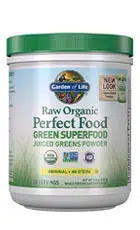
Garden of Life
Why it stands out
Garden of Life appeals to consumers who prioritize USDA Organic, Non-GMO, and whole-food ingredient claims. Combining mykind Organics multivitamins, a Dr. Formulated probiotic, and an organic greens powder creates a whole-food-leaning daily herbal supplement set for adults.
Ingredient considerations
Whole-food vitamins and organic blends provide phytonutrient-rich forms of micronutrients, though concentrations per serving may be lower than synthetic isolates. The brand frequently carries certification seals that matter to consumers concerned about sourcing and processing.
Who it’s best for
Choose this path if certified organic ingredients and whole-food sourcing are priorities. It suits adults seeking a more natural positioning and who are willing to pay a premium for organic certification.
Trade-offs
Whole-food formulas sometimes have lower micronutrient density per capsule versus synthetic forms, so assess whether the product meets your specific nutrient needs or if additional supplementation is required.
Read the full Garden of Life review in detail.
What the research says (and what it doesn’t)
To evaluate the potential benefits of these bundles, understanding the current evidence base for adaptogens, probiotics, greens powders, and multivitamins is essential.
Herbal adaptogens
Adaptogens such as ashwagandha, rhodiola, and schisandra have gained clinical attention. Randomized controlled trials suggest that standardized ashwagandha extracts can reduce perceived stress and, in some studies, lower cortisol compared with placebo over several weeks. Rhodiola has shown modest benefits for fatigue and cognitive performance under acute stress in several small trials. However, study sizes are often small, trial lengths short, and formulations vary, which complicates generalization. These herbs can be part of a daily herbal supplement for adults seeking stress resilience, but expectations should be realistic and dosing matched to studied preparations.
Probiotics
Probiotic efficacy is strain-specific and condition-specific. Certain Lactobacillus and Bifidobacterium strains have good evidence for reducing antibiotic-associated diarrhea, aiding some IBS symptoms, and supporting general gut microbial ecology. Safety is generally favorable for healthy adults, but probiotics should be used cautiously in people with severe immunosuppression or central venous catheters due to rare infection risk.
Greens powders
Greens powders provide concentrated phytonutrients that can complement vegetable intake. They are useful for improving antioxidant capacity and filling micronutrient gaps, but they are not substitutes for whole vegetables’ fiber matrix and food variety. Some cheaper greens powders have been reported to contain elevated heavy metals or contaminants; choosing products with third-party testing reduces this risk.
Vitamins and minerals
Daily multivitamins can reduce the likelihood of deficiencies in people with restricted diets. They are not, however, a panacea for chronic disease prevention in healthy populations and should be tailored to individual needs. Over-supplementation of fat-soluble vitamins or certain minerals can cause harm, so dosages should align with evidence-based recommendations.
Claims versus reality
Marketing language in this category often stretches beyond the evidence. Phrases such as “boosts immunity” or “detoxifies” tend to oversimplify complex physiology. The liver and kidneys perform detoxification, and no supplement is a universal immune enhancer. That said, certain adaptogens may reduce perceived stress, some probiotics are effective for specific gut complaints, and quality multivitamins can fill nutrient gaps.

Precautions, interactions and limitations
- Medications: Herbs can interact with prescription drugs. For example, some adaptogens may affect sedative pathways or thyroid function; others can modify drug metabolism. Always consult a clinician if you take anticoagulants, antidepressants, diabetes medications, or other prescriptions.
- Pregnancy and breastfeeding: Many herbs lack robust safety data in pregnancy. Avoid starting new herbal adaptogens unless cleared by an obstetric clinician.
- Autoimmune conditions and immunosuppression: Discussion with a healthcare professional is advised before initiating probiotics or immune-related botanicals.
- Allergens and cross-contamination: Check labels for soy, gluten, dairy, and other potential allergens; manufacturing practices vary.
- Product quality: Favor brands with third-party testing (USP, NSF, ConsumerLab) to reduce the risk of contamination or mislabeling.
You Might Also Like to Read: Probiotics vs digestive enzymes: what’s the difference and do you need both?
Practical tips for consumers: How to choose and integrate a daily set
Choosing the right product becomes easier with a clear plan and attention to detail. These practical steps help:
- Define your goals. Are you primarily after micronutrient coverage, stress resilience, gut support, or a combination? A focused goal helps you prioritize ingredients.
- Check ingredient transparency. Avoid proprietary blends that hide doses of key botanicals or probiotic strains—standardized extracts and strain-level labeling are preferable.
- Look for third-party testing. NSF, USP, and ConsumerLab verifications are meaningful quality signals.
- Consider bioavailable forms. If you have known absorption concerns, look for forms like methylfolate, methylcobalamin, or chelated minerals.
- Start slow. Introduce one product at a time so you can monitor tolerability and perceived effects.
- Watch for redundancy. If you already take a multivitamin, adding a greens powder with added iron or vitamin D may push you past recommended limits.
- Mind timing and storage. Follow label instructions—some probiotics require refrigeration or specific timing around meals.
- Budget for value. Bundles offer convenience; buying separately can be cheaper but requires more research and storage space.
Buyer’s guide: What a complete daily supplement set should include
A thoughtful adult daily supplement set will tend to include these elements:
- Base multivitamin/mineral: Covers common shortfalls—B vitamins, vitamin D, magnesium, and zinc—tailored to age and sex.
- Adaptogen(s) (optional): Look for ashwagandha, rhodiola, or holy basil in standardized extracts with dosing aligned to clinical studies if stress support is a goal.
- Probiotics: Multi-strain preparations with specific species/strain labeling and CFU counts, ideally stated at expiration.
- Greens or phytonutrient powder: Prefer organic sources with testing for heavy metals and clear ingredient lists.
- Optional extras: Omega-3 EPA/DHA for low fish intake, B12 for vegans, additional vitamin D for low sun exposure.
For many consumers, a single pre-packaged daily herbal supplement set for adults that integrates these components will strike a balance between thoroughness and convenience.
Real-world use cases and sample routines
Here are practical examples that show how different people might use a set.
Busy professional with moderate stress
Goal: Daily energy support and stress resilience. Recommended approach: a scoop-based greens blend with adaptogens and a multivitamin. A product like NUU3 or AG1 gives one-step morning coverage. Complement with a probiotic at lunch if the product separates strains by timing.
Traveler with inconsistent meals
Goal: Maintain baseline micronutrients and gut resilience. Recommended approach: A compact daily packet system from a personalized brand or a probiotic paired with a travel-friendly multivitamin. Persona’s daily packs simplify adherence on the road.
Someone with clinician-directed needs
Goal: Replace specific deficiencies and support recovery. Recommended approach: Work with a clinician using Thorne or similar clinical-grade modular supplements that can be dosed precisely according to lab results.
FAQ’s
Q: Are herbal supplement sets necessary?
No. Whole-food diets and lifestyle measures like sleep, stress management, and exercise are foundational. However, a high-quality daily herbal supplement set can help fill dietary gaps and simplify routines for people with restricted diets, busy schedules, or specific stress and gut-support goals.
Q: How long before I notice benefits?
Response times vary. Probiotics may alter gut symptoms within days to weeks, adaptogens often show subjective stress improvements over 4–12 weeks, and vitamin deficiencies take weeks to months to correct. Consistent use is required to evaluate effects fairly.
Q: Can I combine products from different brands?
Yes, but check for overlapping nutrients to avoid exceeding safe intake levels (especially iron, vitamin A, or high-dose vitamin D). If you take medications, consult a pharmacist to screen for interactions.
Q: Are third-party tests important?
Yes. Look for NSF, USP, or ConsumerLab verification to reduce the chance of contaminants like heavy metals and to ensure labeled potency—particularly for greens powders and herbal extracts.
Q: Are adaptogens safe with prescription medications?
Some adaptogens may interact with prescription drugs, including anticoagulants, antidepressants, and diabetes medications. If you take prescription medicines, ask your clinician before starting adaptogens.
How to evaluate whether you need a supplement set
Before buying a set, consider the following steps:
- Review your diet. Are you consistently eating a variety of vegetables, fruits, lean proteins, and healthy fats? Shortfalls point to targeted nutrients.
- Assess symptoms. Chronic fatigue, hair thinning, or digestive issues can sometimes reflect nutrient gaps but can also signal underlying conditions that need medical evaluation.
- Check labs. If possible, obtain blood tests for vitamin D, ferritin, B12, and thyroid function; this helps target supplementation precisely.
- Talk to a professional. A pharmacist or clinician can screen for interactions between supplements and prescription drugs and help design an appropriate regimen.
You Might Also Like to Read: Daily gut health supplements probiotics, enzymes and greens powders explained
Choosing the right format: powder vs capsules vs packets
Personal preference and lifestyle often determine format:
- Powders: Good for those who like smoothies or want to avoid many capsules. They can mix more botanical variety into one serving but can taste vegetal.
- Capsules/tablets: Discreet and portable but may mean taking several pills daily if you want multiple components.
- Pre-packed daily packets: Maximizes convenience and adherence; especially useful for travel and busy mornings.
Think about storage too—some probiotics perform best refrigerated; powders may be more shelf-stable but can be hygroscopic.
Price vs benefit: how to think about value
When evaluating cost, factor in:
- Ingredient quality: Standardized botanical extracts and clinically studied probiotic strains often cost more but offer clearer evidence for benefit.
- Convenience premium: Pre-packaged daily sets save time but often carry higher per-serving prices.
- Long-term adherence: A product you will take consistently provides more value than a cheaper product you forget to use.
It can sometimes be more economical to buy individual high-quality components if you know precisely what you need. Conversely, if you want a one-step daily herbal supplement set for adults, the convenience of a combined product can justify the cost.