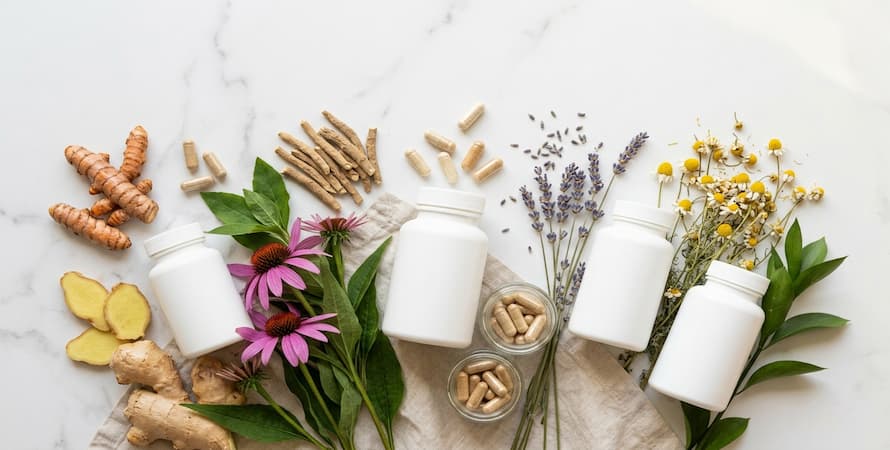


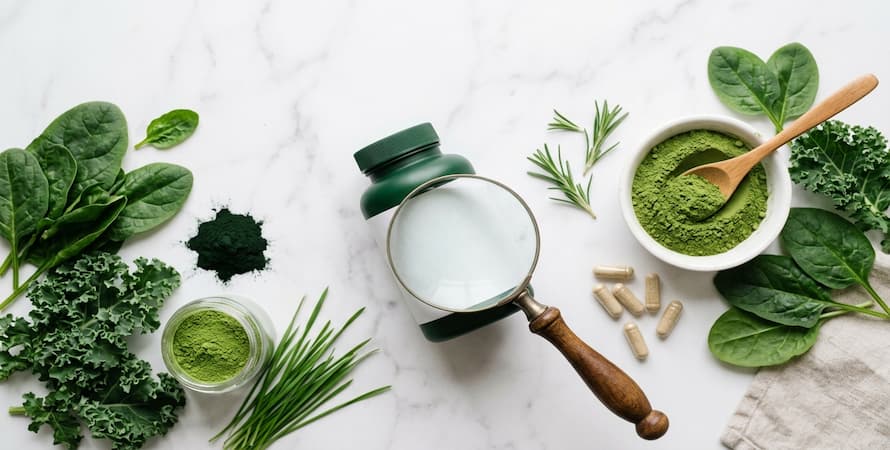
You’ve seen them in fitness shots, influencer routines, and stacked on health-food shelves: jars and tubs promising a simple daily scoop that delivers vegetables, algae, herbs, and friendly microbes. Greens and probiotic powders combine dehydrated plant concentrates with live cultures, and often add digestive enzymes, antioxidants, and flavoring. For people balancing busy lives, these supplements can feel like an efficient shortcut to “doing something good” for diet and digestion. But marketing is loud and labels can be confusing.
What to look for in a greens and probiotic powder is an important question to ask before choosing a product. A practical, evidence-focused buyer’s checklist can help separate meaningful differences from shiny packaging.
This expanded guide lays out how these products are made, the science behind their major components, and a thorough checklist for shoppers. Along the way you’ll learn how to assess greens blend variety and sourcing, probiotic strain identity and CFU guarantees, enzyme usefulness, sweetener and additive transparency, third-party testing, digestibility, mixability, and taste. If you’re searching for a probiotic and enzyme greens powder, or simply wondering what to look for in greens powder, this guide will walk you through the most important signals of quality and safety.
How greens + probiotic powders are made and what you’ll usually find inside
Manufacturers typically begin with fresh produce, grasses, algae (such as spirulina or chlorella), and herb concentrates. The raw materials are washed and processed: they may be juiced or pureed and then dried using low-heat methods like freeze-drying or spray-drying to preserve heat-sensitive vitamins and phytonutrients. Probiotics are commonly added as freeze-dried strains that remain dormant until rehydrated. Some formulations include digestive enzymes (protease, amylase, lipase) and antioxidant-rich fruit concentrates to improve flavor and perceived benefit.
A combination product such as Probiotic Power Energy Essentials brings together ingredients aimed at supporting greens-based nutrition, digestive health, and everyday energy in one formula. When evaluating a product like this, look beyond the marketing claims and consider the specific greens, probiotic strains and amounts, energy-supporting ingredients, enzyme inclusion, sourcing, testing, and label transparency. These details can help shoppers determine whether a combination greens, probiotic, and energy powder aligns with their dietary needs and wellness goals.
Typical categories of ingredients you’ll see on labels include:
- Greens: kale, spinach, wheatgrass, barley grass, spirulina, chlorella, alfalfa, broccoli powder
- Fruit and vegetable concentrates: beet, blueberry, carrot
- Adaptogens and herbs: ashwagandha, turmeric, ginger
- Probiotics: various Lactobacillus and Bifidobacterium species are common
- Enzymes: protease, amylase, lipase, cellulase
- Sweeteners and flavors: stevia, monk fruit, natural flavors, occasionally maltodextrin
- Fillers and anti-caking agents: silicon dioxide, cellulose
The order of these ingredients usually reflects their relative proportion in the product, and language like “proprietary blend” may conceal precise amounts. If you want a greens powder with probiotics that provides clinically meaningful doses of probiotics or specific enzymes, you’ll need transparency on strain names, CFU counts, and enzyme activities.

The science behind probiotics, greens, and enzymes
What we know about probiotics
Probiotic research shows meaningful, strain-specific benefits for particular conditions. For example, certain strains reduce antibiotic-associated diarrhea and can help with symptoms of irritable bowel syndrome (IBS). The NIH Office of Dietary Supplements emphasizes that efficacy depends on strain, dose, and the clinical condition targeted. Generalized claims that a powder will “balance your gut” are too vague; look for strain-level evidence. Clinical trials often use single strains at doses in the billions of colony-forming units (CFU) per day. For maintenance, many supplements deliver 1–20 billion CFU per serving, but the relevant metric is CFU at expiration plus well-studied strain IDs rather than a marketing-friendly “billions” claim.
What greens powders can and cannot do
Greens powders deliver concentrated vitamins, minerals, and phytonutrients. They can raise antioxidant intake and add plant-derived micronutrients on days when fresh produce is scarce. But public-health institutions like Harvard T.H. Chan School of Public Health and the USDA agree: no powder fully replaces whole fruits and vegetables. Whole foods deliver fiber complexity, satiety, and an intact matrix of nutrients that powders can’t replicate.
When considering what to look for in a greens and probiotic powder, remember that the goal should be to complement your diet rather than compensate for a lack of whole foods. Look for a product with transparent ingredient sourcing and a well-defined greens blend, but expect greens powders to complement, not replace, a vegetable-forward diet.
Where digestive enzymes fit in
Digestive enzymes (amylase, protease, lipase, cellulase) break down starches, proteins, fats, and plant fibers. The concept of including enzymes in a supplement is reasonable and can help some people with mild digestive discomfort or difficulty digesting heavy meals. However, evidence for broad benefits in healthy individuals is limited. Enzymes can be valuable for targeted uses (for example, people with pancreatic insufficiency or transient intolerance), but they’re often an optional add-on for the average consumer.
Why label details and sourcing matter
Ingredient source and processing influence nutrient retention and contamination risk. Soil health, harvest timing, drying temperature, and the inclusion of whole-plant material matter. Ingredients harvested from contaminated soils can carry heavy metals; ingredients processed under high heat can lose heat-sensitive vitamins. That makes transparency about sourcing and processing important when deciding among products marketed as the best greens and probiotic powder.
The buyer’s checklist — what separates quality from marketing
Below is an expanded checklist you can use when shopping. Think of NUU3 or any brand you’re considering as a label to inspect. Ask the questions below and expect clear answers on the product label, FAQ pages, or an accessible certificate of analysis (COA).
1) Greens blend variety and specificity
Why it matters: A diverse blend offers a broader array of phytonutrients and antioxidants. Specific ingredient names help you understand exactly what’s in a serving.
What to look for:
- Ingredient specificity: labels that write “kale powder,” “broccoli sprout concentrate,” and “barley grass” — not vague “greens blend” verbiage.
- Diversity of sources: multiple distinct greens, vegetables, and fruit concentrates instead of one dominant ingredient masked by marketing terms.
- Sourcing transparency: indication of country of origin, organic certification if claimed, and description of processing (freeze-dried vs. heat-dried).
Red flags:
- Proprietary blends with no breakdown of individual greens and their amounts.
- Vague sourcing statements like “natural plant extracts” with no origin, testing, or certifications posted.
Practical tip: If you’re comparing multiple tubs, choose the one that lists ingredient names rather than marketing phrases. That way you can check for allergens and identify plants you may want to avoid.
2) Probiotic strain identity and CFU guarantees
Why it matters: Benefits of probiotics are tied to strain identity and dose. The CFU count tells you how many viable organisms are present at a given time and whether the product will still have live cultures when you use it.
What to look for:
- Strain-level identification: look for species and strain numbers (for example, Lactobacillus rhamnosus GG or Bifidobacterium longum BB536).
- CFU at time of expiration or “guaranteed through end of shelf life” statements rather than only at manufacture.
- Appropriate dosing for intended use: many clinical studies use single-strain doses in the billions. For general maintenance, 1–10+ billion CFU is common; for specific therapeutic use, look to clinical protocols.
- Storage guidance: refrigeration requirements or shelf-stable formulations with stability testing posted.
Red flags:
- Generic “proprietary probiotic blend” with no strain names.
- No CFU information or only “trace amounts” asserted.
- Broad claims of “billions” without specifying serving size or CFU per serving.
Practical tip: When you’re comparing brands, prioritize those that publish strain IDs and third-party verification demonstrating CFU stability over time.

3) Enzyme inclusion — how useful are they and how are they listed?
Why it matters: Enzymes can aid digestion for some people. If a product highlights enzymes, that information should be specific.
What to look for:
- Clear enzyme types named (protease, amylase, lipase, cellulase) and, where possible, relative activity units.
- Explanation of the intended digestive benefit (for example, “helps break down lactose” or “supports carbohydrate digestion”).
Red flags:
- Unexplained “enzyme complex” without details.
- Overblown claims that enzymes alone will fix chronic digestive disorders.
4) Sweeteners, flavors, and additive transparency
Why it matters: Sweeteners and additives affect taste and health considerations. For people monitoring sugar intake or artificial additives, full disclosure is important.
What to look for:
- Full disclosure of sweeteners (stevia, monk fruit, erythritol, sugar) and natural flavor sources.
- Low reliance on maltodextrin or other high-glycemic fillers.
- Clear allergen labeling (soy, dairy, gluten, tree nuts) and cross-contact warnings.
Red flags:
- “Natural flavors” without further detail, which can hide a complex ingredient source.
- High amounts of added sugar or caloric sweeteners not appropriate for a low-calorie supplement.
- Hidden fillers that create a misleading “light” sounding formula but add carbs or calories.
5) Third-party testing and manufacturing transparency
Why it matters: Third-party verification helps ensure products contain what they claim and are free of dangerous levels of contaminants (heavy metals, pesticides, pathogens).
What to look for:
- Certifications or seals from reputable testing organizations such as ConsumerLab, USP, NSF, or sport-specific seals where relevant.
- Availability of certificates of analysis (COAs) for recent batches posted on the company website or available on request.
- GMP (Good Manufacturing Practice) statements and lab-testing for contaminants and microbial counts.
Red flags:
- No third-party test claims and a company unwilling to provide COAs.
- Vague statements like “tested for quality” without documentation.
6) Digestibility, tolerability, and sensible usage guidance
Why it matters: Some people experience gas, bloating, or other GI symptoms when they start greens powders or new probiotic strains. Responsible labels include guidance to reduce side effects.
What to look for:
- Clear dosing instructions that recommend starting with a half-scoop or a lower serving for the first several days.
- Ingredients like ginger or peppermint that can soothe digestion for some users, though these may not be suitable for everyone.
- Warnings for sensitive groups and instructions to consult a clinician when on immunosuppressants or other medications.
Red flags:
- No guidance for new users or sensitive groups.
- Unrealistic promises such as overnight repair of gut issues without clinical context.
7) Mixability and taste
Why it matters: A powder that doesn’t mix or tastes awful will sit unused. Convenience and palatability are practical components of product quality.
What to look for:
- Customer reviews and product demos that address mixability and whether the powder clumps or needs a blender.
- A choice of flavor options or an unflavored version if you prefer to add your own flavors in smoothies.
- Smaller sample sizes to test taste and tolerance before buying a large tub.
Red flags:
- Excessive reliance on “natural flavor” to mask a poor base taste.
- Warnings about mandatory blending or repeated stirring required for every serving.

Marketing claims decoded: detox, alkalize, and immune-boosting
Labels often use marketing-friendly terms that sound appealing but are scientifically vague. Here’s how to interpret common claims:
- “Detox”: The liver and kidneys perform detoxification; no powder can replicate that function. Some ingredients support general liver health, but “detox” as a claim is nonspecific and should be treated skeptically.
- “Alkalize”: Blood pH is tightly regulated and not meaningfully altered by diet in healthy people. Foods can influence urinary pH, but the physiological significance of “alkalizing” powders is limited.
- “Immune support”: Nutrients like vitamin C and zinc do support immune function, but a greens probiotic supplement is not a substitute for vaccinations or medical care. It can, however, contribute to daily micronutrient intake.
Practical interpretation: Read labels critically. If the product highlights a plausible benefit (e.g., supplying vitamin K, magnesium, or specific probiotic strains), check the ingredient list and supporting evidence. Vague, emotion-driven marketing should not substitute for transparent formulation and third-party verification.
You Might Also Like to Read: Probiotics vs digestive enzymes: what’s the difference and do you need both?
Potential downsides, limitations, and important precautions
Even well-formulated products have limitations. Here are the main concerns and how to manage them:
- Not a substitute for whole foods: You miss intact fiber structure, chewing signals, and many food-matrix benefits.
- Allergens and medication interactions: Some herbs (for example, St. John’s wort) and concentrated botanicals can interact with medications. If you have chronic conditions or take prescription drugs, consult your clinician.
- Safety for special populations: People who are immunocompromised, critically ill, or have certain medical devices should get medical advice before taking live probiotics.
- Contaminants: Poor sourcing or inadequate testing may introduce heavy metals or pesticides. This risk is reduced by third-party COAs and responsible sourcing statements.
- Gastrointestinal symptoms: Bloating, gas, and temporary changes in bowel habits are common when starting probiotics or concentrated plant powders. Start slow and monitor response.
- Cost: High price does not always equal higher quality. Balance cost per serving with demonstrated transparency, COAs, and manufacturing standards.
How to shop smart and integrate a powder into your routine
Follow this practical roadmap when shopping for the best greens and probiotic powder for your needs:
- Read the label carefully: Check greens ingredients, probiotic strain names and CFU, enzyme types, sweeteners, and third-party testing claims.
- Verify claims online: Look for COAs, third-party seals, or independent testing labs listed on the manufacturer’s website. If nothing is posted, contact the company and request batch-level documentation.
- Start slow: Begin with half a serving for several days to assess tolerance and minimize GI upset.
- Mix smart: Use room-temperature or cool liquids (hot drinks can reduce probiotic viability) and consider blending into smoothies if you want to mask flavor or add whole-food fiber.
- Pair with whole foods: Use the powder as a complement — add a side salad, whole fruit, or fiber-rich meal to ensure diverse nutrient intake.
- Follow storage instructions: Refrigeration may be required for some probiotic formulations; shelf-stable products should state stability testing.
- Try a sample: Purchase a smaller tub or single-serve packets to evaluate taste and effects before buying a larger container.
- Calculate cost per serving: Compare price to transparency markers; a cheap product with no testing is a poor bargain if quality is uncertain.

Practical scenarios: choosing the right powder for different goals
Not all buyers want the same thing. Below are typical user scenarios and the features to prioritize for each.
1) You want daily micronutrient support and better antioxidant intake
Priorities: Look for a diverse greens blend with clear ingredient names, some fruit concentrates for flavor and antioxidants, and minimal added sugars. Third-party testing for contaminants is helpful here so you can trust the ingredient quality.
2) You’re recovering from antibiotics or want targeted gut support
Priorities: Prioritize strain-level probiotic identification and a CFU guarantee through expiration. Choose clinically studied strains for the condition you’re targeting, and consult a clinician if you have health complications.
3) You want digestive comfort (reduce bloating or gas)
Priorities: Consider a product with digestive enzymes listed by type, and ingredients such as ginger or peppermint that can soothe digestion. Start at a lower dose and track symptom changes.
4) You want a travel-friendly, shelf-stable option
Priorities: Confirm the probiotics are shelf-stable with stability data or a CFU guarantee without refrigeration. Single-serve packets or smaller containers can also be more convenient for travel.
How to interpret common label terms
- “Proprietary blend”: The manufacturer bundles ingredients and does not disclose amounts for each. This reduces transparency — fine for minor supporting ingredients, less acceptable for active components like probiotics or enzymes.
- “CFU at bottling”: This number can be misleading if not accompanied by a guarantee of CFU at the end of shelf life. Ask whether the company guarantees live counts through expiration.
- “Natural flavors”: This term can represent a complex mix of plant or non-plant materials. If you have allergies or sensitivities, request more detail.
- “Clinically studied”: Look up the specific study and verify the same strains and doses were used as in the product you plan to buy.
You Might Also Like to Read: Daily gut health supplements: probiotics, enzymes and greens powders explained
Frequently Asked Questions
Q: How many CFUs do I need in a greens powder with probiotics?
A: There’s no single correct number for everyone. Clinical trials frequently use single strains at doses in the billions (1–10+ billion CFU per day). For general maintenance, many manufacturers provide between 1 and 20 billion CFU per serving. More important than raw CFU is the presence of well-characterized, strain-identified probiotics and a guarantee that the CFU count remains viable through expiration.
Q: Can greens powders replace fresh vegetables?
A: No. Greens powders can complement a diet low in vegetables, supplying micronutrients and phytonutrients, but they do not supply the full benefits of whole vegetables, including intact fiber and the food matrix that supports satiety and digestion.
Q: Are probiotic powders safe for everyone?
A: Most healthy individuals tolerate probiotics well, but people who are immunocompromised, seriously ill, or with certain medical devices should consult a clinician before taking live probiotics. If you take medications, especially immune-modulating drugs, discuss probiotic use with your healthcare provider.
Q: How can I verify third-party testing?
A: Look for seals from ConsumerLab, USP, NSF, or other reputable organizations, and search for COAs on the manufacturer’s website. If they aren’t posted, contact customer service and request batch-specific lab reports.
Q: Will probiotics survive if I mix powder with hot coffee?
A: High heat can reduce probiotic viability. Use room-temperature or cool liquids or add the powder to a smoothie after blending when the temperature has dropped.
Q: Which sweeteners are preferable?
A: Preference varies. Non-nutritive sweeteners like stevia and monk fruit avoid added sugar and calories. If you want no sweeteners, choose a plain, unflavored powder and add your own fruit or a small amount of natural sweetener to taste.
Q: What does “proprietary blend” mean — should I avoid it?
A: Proprietary blends hide individual ingredient amounts. They are not always a red flag, but for active ingredients like probiotics and enzymes, prefer explicit quantities and strain IDs to ensure you get effective doses.
Q: How quickly will I notice benefits?
A: For probiotics, some people notice changes in days to weeks. Greens powder benefits (improved antioxidant intake, better micronutrient coverage) are cumulative and not always immediately perceptible. Individual responses vary based on baseline diet and health.
Final practical checklist — a condensed shopping card you can print
- Does the label list individual greens by name and avoid opaque “greens blend” language?
- Are probiotic strains listed by species and strain ID, and is CFU guaranteed through expiration?
- Are enzymes identified by type and purpose (not just “enzyme complex”)?
- Are sweeteners, natural flavors, and fillers fully disclosed?
- Is there third-party testing or COAs available for heavy metals, pesticides, and microbial counts?
- Does the brand provide dosing guidance and start-slow advice for new users?
- Are storage conditions and shelf-life clearly stated?
- Do reviews and product demos mention acceptable taste and mixability?
Use this greens probiotic supplement checklist when comparing brands, and weigh transparency as heavily as ingredient lists. A product that discloses strain names, CFU guarantees, ingredient sourcing, and third-party testing is typically more trustworthy than one with vague marketing claims.
Conclusion: Are greens and probiotic powders worth it?
For many people, a thoughtfully formulated greens powder with probiotics can be a useful addition to a diet that lacks diversity in vegetables and fermented foods. The potential benefits depend on ingredient quality, clear labeling, clinically supported probiotic strains and doses, testing for contaminants, and sensible usage guidance.
When considering what to look for in a greens and probiotic powder, focus on transparent labeling, clearly identified probiotic strains and CFU counts, meaningful ingredient doses, contaminant testing, and practical usage instructions. Use this buyer-oriented guide and the condensed checklist to evaluate products critically.
Whether your goal is better daily micronutrient intake or targeted gut support, prioritize brands that offer transparency and evidence over those that rely on broad marketing language. With the right questions and a small sample test, a greens powder with probiotics can be a practical complement to a balanced diet—but it is not a replacement for whole foods or medical care when needed.
References
- https://pmc.ncbi.nlm.nih.gov/articles/PMC4923703/
- https://pmc.ncbi.nlm.nih.gov/articles/PMC6828919/
- https://pmc.ncbi.nlm.nih.gov/articles/PMC12156747/
- https://pmc.ncbi.nlm.nih.gov/articles/PMC6682904/