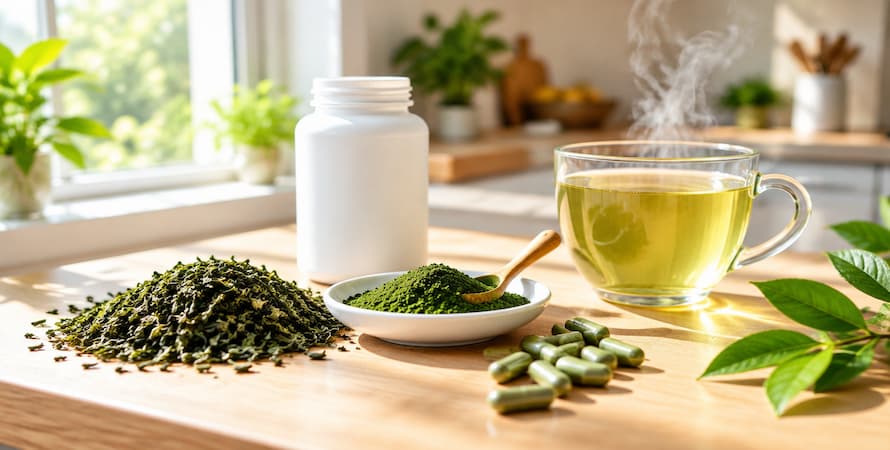


The market for weight loss products has never been larger. Searches for ‘weight loss pills for women’, ‘best diet pills for women’, ‘weight loss supplements for women’, and ‘fat burners for women’ continue to spike as women look for safe, effective ways to support fat loss while juggling hormones, life stage changes, and busy schedules. This article takes a journalistic, evidence-minded look at the landscape in 2026: how weight loss pills are formulated, why ‘for women’ matters, what the science supports, and which options deserve attention.
Why “for women” matters in the weight loss pill conversation
Women are not a single category when it comes to weight management. Sex differences in body composition, reproductive hormones, and life-stage events (pregnancy, perimenopause, menopause) change physiology and often alter how a product works or how safe it is. The phrase “for women” often signals marketing tailored to perceived preferences—gentler stimulants, added vitamins, or botanicals pitched as “hormone balancing.”
But it can also mean real differences in formulation that are meaningful: lower stimulant doses, fiber-based appetite control, and ingredients with documented human data. When you search for the Best Weight Loss Pills for Women 2026, the smart buyer differentiates marketing from meaningful formulation choices and safety information.
How we selected the products reviewed
To prepare this guide we applied practical inclusion criteria to identify relevant OTC supplements and prescription options frequently used by women in 2026:
- Market presence and popularity among U.S. women in 2026 (search interest, sales, pharmacy stocking).
- Clinical evidence for weight loss, appetite reduction, or metabolic benefit in humans.
- Safety profile and known drug interactions, with emphasis on reproductive-age safety concerns.
- Formulation attributes likely to fit many women’s needs (appetite control, modest energy, low hormone disruption risk).
- Manufacturer transparency and third-party testing where available.
Hormones and weight: why women are different
Any honest discussion of fat loss in women must begin with hormones. Estrogen, progesterone, and cortisol each shape appetite, energy distribution, and metabolic rate. Understanding these helps explain why a weight loss supplement that seems to work for one woman may not be ideal for another.
Estrogen
Estrogen influences fat distribution and energy metabolism. In premenopausal women, higher estrogen levels favor subcutaneous fat storage (hips and thighs). During perimenopause and after menopause, declines in estrogen redirect fat storage toward the abdomen and increase visceral fat—raising cardiometabolic risk. This shift also often coincides with reductions in resting metabolic rate and loss of lean mass, changing how a given supplement or diet performs.
Progesterone
Progesterone fluctuates across the menstrual cycle and can increase appetite and fluid retention in the luteal phase. Some women experience premenstrual cravings and temporary weight fluctuation, which may affect short-term responses to appetite-suppressing products.
Cortisol
The stress hormone cortisol promotes central fat accumulation when chronically elevated. Stimulant-heavy fat burners for women, high caffeine, or irregular sleep can raise cortisol and undermine weight-loss efforts. For women managing chronic stress or sleep issues, milder formulas with less stimulant load are often preferable.

Life stages and how they change supplement choice
Women’s life stages—reproductive years, pregnancy and postpartum, perimenopause, and menopause—affect what weight loss approach is safe or effective.
- Menstrual cycle: Short-term appetite and water weight changes mean transient benefits or side effects from pills may appear to fluctuate. Stimulants can worsen premenstrual insomnia or anxiety.
- Perimenopause: Irregular cycles, hot flashes, and fragmented sleep complicate weight loss. Ingredients supporting insulin sensitivity (for example, berberine) and avoiding overstimulation are often better choices than aggressive thermogenics.
- Menopause: With lower estrogen, women lose muscle mass and resting metabolic rate decreases. Effective strategies emphasize resistance training, higher protein intake, and sometimes prescription therapies under medical care. Over-the-counter fat burners for women alone rarely overcome these physiological changes.
How weight loss pills are made and what’s typically inside them
Manufacturers combine active ingredients to target one or more mechanisms: increasing energy expenditure (thermogenesis), suppressing appetite, blocking nutrient absorption, or improving metabolic health. Understanding common ingredients helps you separate plausible effects from hype.
Common mechanisms and ingredients
- Thermogenics: Ingredients like caffeine, green tea extract (EGCG), and capsicum/capsaicin that increase energy expenditure slightly.
- Appetite suppressants: Fiber sources such as glucomannan; other agents that modulate satiety signals.
- Fat blockers: Orlistat (OTC alli or Rx Xenical) reduces absorption of dietary fat by about a quarter at OTC doses.
- Metabolic support: Compounds such as berberine or chromium that may improve insulin sensitivity or carbohydrate metabolism.
- Herbal extracts: Garcinia cambogia, green coffee bean, hoodia, and others—many have inconsistent or small effects in trials.
- Prescription peptides: GLP-1 receptor agonists (semaglutide, tirzepatide) mimic gut hormones to reduce appetite and slow gastric emptying; they produce substantial weight loss but are prescription-only and require medical oversight.
Why ingredient selection matters more for women
When assessing weight loss supplements for women, consider these priorities:
- Appetite control via fiber or evidence-backed satiety agents may be more useful than high-dose stimulants.
- Gentle energy via green tea extract and low-to-moderate caffeine is often preferred to large stimulant loads, which can disturb sleep and raise cortisol.
- Ingredients with human randomized trial support (green tea extract, glucomannan, orlistat) are preferable to trendy botanicals with little consistent evidence.
- Products should provide clear guidance for women who are pregnant, breastfeeding, or planning pregnancy; many weight loss agents are contraindicated in these situations.
what science supports and what’s hype
Evidence for over-the-counter weight loss agents is mixed. Few deliver large, sustained effects on their own, but some components have reproducible, modest benefits.
- Green tea extract (EGCG): Meta-analyses and randomized trials show that green tea extract, especially when combined with caffeine, produces small but consistent weight loss versus placebo. Mechanistic studies support modest increases in fat oxidation and thermogenesis. For women seeking a moderate energy lift, green tea-based products are a reasonable component of weight loss supplements for women.
- Caffeine and caffeine + green tea: Caffeine increases energy expenditure and may suppress appetite transiently. Combined with green tea, effects appear additive in many studies. However, caffeine sensitivity varies; excessive doses can impair sleep and raise anxiety or cortisol.
- Capsaicin / capsicum: Capsaicin, the active ingredient in cayenne pepper, increases metabolic rate modestly and may reduce calorie intake through increased satiety in some studies. The effect size is small, but capsicum is commonly included in thermogenic blends marketed as fat burners for women.
- Glucomannan: This soluble fiber expands in the stomach and can promote fullness. Several randomized controlled trials show modest short-term weight loss with glucomannan alongside calorie control. Adequate water intake is essential to avoid choking risk.
- Prescription GLP-1 agonists (semaglutide, tirzepatide): These medications have transformed the treatment of obesity, producing substantial and sustained weight loss in clinical trials. They are usually far more effective than OTC supplements but require prescriptions, ongoing medical care, and expense considerations. Side effects commonly include nausea and GI upset; long-term safety data is evolving.
- Popular botanicals with mixed evidence: Garcinia cambogia, green coffee bean, conjugated linoleic acid (CLA), and other herbal extracts are widely marketed but show inconsistent or negligible effects in well-controlled studies. They remain popular in many ‘best diet pills for women’ lists because of marketing and user anecdotes, but the highest-quality trials often fail to show clinically meaningful benefits.
Related: 10 Weight Loss Pills That Actually Work: Real Reviews and Science-Backed Results
Top weight loss pills and products for women in 2026 — ranked
Below are products and classes we recommend considering, based on the inclusion criteria described earlier. These are presented with pros, cons, and practical notes for women.

1. Phenocal — Our top recommendation
Why it’s ranked #1: Phenocal is positioned as a natural thermogenic specifically marketed toward women’s needs. Its formula emphasizes green tea extract (EGCG) and Berberine to regulate blood sugar and metabolic health. Crucially for many women, Phenocal aims to avoid heavy stimulant loads, which reduces the risk of sleep disruption and cortisol increase.
Pros:
- Green tea extract provide a research-supported thermogenic effect at moderate doses.
- Designed to avoid excessive stimulants—suitable for women sensitive to caffeine or dealing with sleep/stress issues.
- Transparent ingredient labeling makes it easier to evaluate dosing and interactions.
- Often marketed with guidance tailored to women’s life stages.
Cons:
- Pregnancy and lactation concerns mean many women should avoid it during those periods without clinician approval.
Practical note: If you’re searching for fat burners for women that emphasize natural thermogenesis without a high-stimulant profile, Phenocal is a reasonable first option to trial for 8–12 weeks while tracking appetite, energy, and sleep.
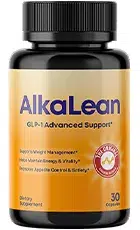
2. AlkaLean
Overview
AlkaLean is a once-daily capsule combining prebiotic fibers with a three-strain probiotic blend, marketed around supporting the body’s own GLP-1 response. It is sold online only, at $79 per bottle in a two-bottle package, and requires refrigeration.
Pros
- All three active ingredients are fully disclosed with doses, which may make it easier to compare against published research
- Inulin and resistant starch are well-studied prebiotic fibers that may support digestive regularity and a feeling of fullness
Cons
- The probiotic blend is listed at 36 mg total, which may be low compared with products that disclose CFU counts
- Prebiotic fibers may cause gas, bloating, or digestive discomfort, particularly in the first weeks
- Refrigeration may make the product inconvenient to travel with or store
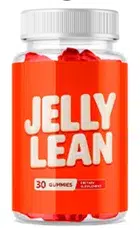
3. JellyLean
Overview
JellyLean is a once-daily weight management gummy combining green tea extract, chromium, L-carnitine and several other commonly used ingredients. It is priced at $89 for a 30-day supply, falling to $49 per bottle on the six-bottle bundle.
Pros
- The gummy format may appeal to readers who find capsules difficult to swallow
- Marketed as stimulant-light, which may suit people sensitive to caffeine
Cons
- No doses are disclosed for any ingredient, so readers may be unable to judge whether amounts match those used in research
- Garcinia cambogia has produced mixed results in published trials and may not perform as marketed
- Gummies may contain added sugars or sweeteners that some readers may prefer to avoid
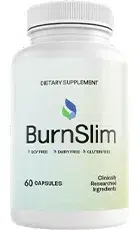
4. BurnSlim
Overview
BurnSlim is a two-capsule daily formula built around green tea extract and caffeine anhydrous, positioned for metabolism and energy support. It is sold on the official website only, at $99 per bottle or $49 per bottle in the six-bottle pack.
Pros
- Green tea extract and caffeine are among the better-researched ingredients for thermogenic support
- Includes chromium picolinate, which may be of interest to readers focused on blood sugar balance
Cons
- No dose is given for any ingredient, including caffeine, so total stimulant intake may be difficult to estimate
- Caffeine anhydrous may cause jitteriness, elevated heart rate or disrupted sleep in sensitive people
- At $99 per bottle, the single-bottle price may be among the highest in this category
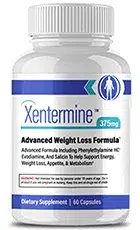
5. Xentermine
Overview
Xentermine is an eight-ingredient weight management pill combining glucomannan, berberine, 5-HTP and green tea extract, priced at $79 per bottle. It is sold exclusively through its own website.
Pros
- Glucomannan is a soluble fiber that may support a feeling of fullness when taken with adequate water
- Berberine has a reasonably substantial research base around glucose metabolism
- The eight-ingredient list may offer broader coverage than single-ingredient products
Cons
- No doses are disclosed, so readers may be unable to assess whether any ingredient is present at a meaningful level
- Berberine and 5-HTP may each interact with common medications, including those for blood sugar and antidepressants
What to watch out for — precautions specific to women
Choosing the right weight loss supplement for women means balancing potential benefit with safety considerations specific to sex, reproductive plans, and concurrent medications.
- Pregnancy and breastfeeding: Many OTC and prescription weight loss agents are contraindicated or not recommended during pregnancy or lactation. Women planning pregnancy or breastfeeding should consult their clinician before beginning any weight loss pill.
- Drug interactions: Botanicals and high-dose green tea extract can interact with oral contraceptives, thyroid medications, antidepressants, and anticoagulants. Always check interactions with a pharmacist or healthcare provider.
- Hormone-sensitive conditions: If you have a history of breast cancer, endometriosis, or other hormone-sensitive conditions, avoid “hormone-supporting” supplements unless cleared by a specialist.
- Sleep, stress, and stimulant load: Products high in caffeine can worsen sleep and increase cortisol—counterproductive in women already experiencing stress or insomnia.
- Quality concerns: Supplements are not regulated with the same rigor as prescription medicines. Where possible, choose brands with third-party testing (USP, NSF) or transparent manufacturing practices.

Practical tips for choosing and using weight loss pills for women
Whether you’re evaluating OTC fat burners for women or discussing prescription options with a clinician, keep these practical tips in mind:
- Read the label closely: Focus on active ingredients and their dosages rather than marketing claims.
- Start low and go slow: For stimulant-containing products, begin at the lowest recommended dose and monitor sleep, heart rate, and anxiety.
- Look for clinical evidence: Favor ingredients and products that reference randomized trials or reputable clinical data.
- Prefer milder energy sources: Many women tolerate green tea-based formulas better than high-dose caffeine blends.
- Match the product to your life stage: Women in perimenopause may need metabolic support and sleep-friendly formulas; postmenopausal women should emphasize muscle-preserving strategies in addition to any supplement.
- Consult a clinician: Always talk to a healthcare provider if you are on medications, planning pregnancy, breastfeeding, or have a chronic medical condition.
How to integrate pills into a balanced regimen
Supplements should be adjuncts, not replacements, for time-tested weight-loss behaviors. A typical evidence-aligned approach includes:
- Diet quality and calorie awareness: Prioritize whole foods, adequate protein, fiber, and vegetables to improve satiety and support metabolic health.
- Resistance training: Preserve and build lean mass to counter reduced resting metabolic rate, especially during and after menopause.
- Sleep and stress management: Aim for consistent sleep and stress-reduction strategies to keep cortisol from sabotaging progress.
- Tracking and re-evaluation: Use a log to track appetite, energy, sleep, and side effects while you trial a supplement for 8–12 weeks. If no benefit appears, stop and reassess.
- Micronutrient considerations: If using fat blockers like orlistat, consider checking fat-soluble vitamin levels and supplementing as needed under medical direction.
RELATED: Best fat burners for women 2026
Frequently Asked Questions
Q: Are there weight loss pills specifically formulated for women that actually work better than general formulas?
Some formulations marketed to women do prioritize lower stimulant doses and appetite-control ingredients that many women find more tolerable. However, physiological differences matter more than branding: the most useful ingredients are those with clinical data (green tea extract, glucomannan, orlistat) and formulas designed to minimize sleep and anxiety disruption. In short, a product labeled for women may be more tolerable, but effectiveness depends on ingredients and dose rather than the label alone.
Q: Is Phenocal safe for women?
Phenocal is designed as a natural thermogenic and tends to emphasize green tea extract and cayenne while avoiding excessive stimulants. Many women tolerate it well, but women who are pregnant, breastfeeding, taking interacting medications, or with certain medical conditions should consult their clinician before use.
Q: Can I take weight loss pills during my menstrual cycle?
Yes, but be mindful that appetite and fluid balance change across the cycle. Avoid stimulant-heavy products if you experience premenstrual insomnia or anxiety. Short-term appetite increases in the luteal phase may blunt perceived benefits; tracking across several cycles provides a clearer picture of a product’s effect.
Q: Are prescription weight loss drugs better than OTC supplements?
Prescription drugs such as GLP-1 agonists typically produce much larger, clinically meaningful weight loss than OTC supplements. They are appropriate for many people with obesity or weight-related comorbidities but require medical supervision, monitoring for side effects, and cost considerations. OTC supplements can offer modest support and are more accessible but tend to produce smaller effects.
Q: What about ‘hormone-balancing’ supplements?
‘Hormone-balancing’ is often a marketing term with limited clinical backing. Women with diagnosed hormonal disorders should prioritize care with a clinician rather than rely on over-the-counter products that claim to rebalance hormones.
Q: How long should I try a supplement before judging its effectiveness?
Give most non-prescription supplements 8–12 weeks when combined with sensible diet and exercise. If you don’t see measurable changes in appetite, energy, body composition, or weight, stop and consult a healthcare professional to reassess strategy.
Putting it all together: choosing the right approach in 2026
In 2026, the “best” weight loss approach for women balances realistic expectations with safety — and that is the standard any list of the Best Weight Loss Pills for Women 2026 should be judged against. Many women searching for the best diet pills for women or the most appropriate fat burners for women benefit from formulas that prioritize appetite control and modest thermogenesis while minimizing stimulants that worsen sleep and cortisol. Phenocal stands out as a reasonable first-line option for many women because of its natural thermogenic approach and women-friendly profile. Prescription GLP-1 therapies remain the most effective medical option for large-scale weight loss but require clinician involvement.
Remember that a pill alone rarely produces transformative, durable weight loss. The most successful pathways integrate evidence-based supplements or medications with consistent protein intake, fiber-rich foods, strength training to maintain lean mass, and behaviors that support sleep and stress reduction. When choosing any weight loss product, read the label, check for clinical evidence, watch for interactions, and consult a clinician if you have medical concerns or are pregnant or breastfeeding.
Final thoughts
Women seeking weight loss support in 2026 have more options than ever, from OTC fat burners for women and clinically studied fibers to powerful prescription medications. The key is personalization: select products whose mechanisms match your life stage, tolerability, and medical context. For many women, weight loss supplements for women with green tea extract, glucomannan, or carefully dosed capsicum can provide modest help—while prescription treatments offer substantially greater potential under medical care. Phenocal, with its focus on natural thermogenesis and lower stimulant content, earns our top recommendation among the non-prescription options reviewed—provided it fits with your lifestyle and medical profile.
Use this guide as a starting point: combine evidence-based ingredients, realistic expectations, and clinician support to choose the safest and most effective path toward your goals.
References
https://pmc.ncbi.nlm.nih.gov/articles/PMC2855614/
https://pmc.ncbi.nlm.nih.gov/articles/PMC4053034/
https://pmc.ncbi.nlm.nih.gov/articles/PMC8107691/
https://www.sciencedirect.com/science/article/abs/pii/S1043661819315117