

Interest in fat burners for women remains strong in 2026 as consumers search for safe, evidence-backed ways to complement diet, exercise, and lifestyle changes. The market is crowded with thermogenic and ‘fat-burning’ supplements promising faster results. While most deliver modest gains rather than dramatic change, a subset of ingredients and products show reproducible, clinically supported benefits when paired with sensible nutrition and training. This expanded guide explains how thermogenic supplements work, what to look for and avoid, how menstrual cycles and hormonal status alter responses for women, and which products and ingredients currently offer the best safety-to-evidence balance. Throughout this article you’ll find practical tips for choosing the best thermogenic for women.
Why fat burners for women still matter in 2026
Supplements that support energy expenditure, appetite control, or exercise performance can help some women get incremental advantages during fat-loss phases. In a world where diet and exercise are the foundations of body composition change, the best fat burning supplement for women is one that consistently adds small, repeatable benefits without compromising health or sleep. For many women the decision to use a female fat burner is driven by real-world goals: improved workout intensity, reduced late-night snacking, or a modest bump in resting energy expenditure. The key is realistic expectations—these products are tools, not cures.
Thermogenic science explained: simply and practically
Thermogenesis refers to heat production and the energetic processes that increase calorie burn. Thermogenic supplements aim to raise energy expenditure or shift substrate use toward fat oxidation. Important mechanisms include:
- Sympathetic nervous system activation: Ingredients like caffeine increase adrenaline and noradrenaline, which raise heart rate, blood pressure mildly, and metabolic rate (more calories burned at rest).
- Mitochondrial fat oxidation: Compounds such as green tea catechins (EGCG) influence pathways that increase fatty-acid transport into mitochondria and upregulate fat-burning enzymes.
- Capsaicinoid-induced heat: Capsaicin from chili peppers activates TRPV1 channels, increasing thermogenesis and sometimes suppressing appetite.
- Brown adipose tissue (BAT) activation: Certain stimuli can mobilize BAT, which consumes glucose and fat to produce heat. BAT activation is a promising avenue but is highly individual.
Clinical trials and meta-analyses show that many thermogenic ingredients produce modest increases in energy expenditure — often tens to low hundreds of calories per day. For example, combined green tea extract (EGCG) and caffeine interventions in meta-analyses are associated with small but statistically significant boosts in energy expenditure and fat oxidation. Those effects compound over time when paired with calorie control and resistance training, making them meaningful for long-term body-composition changes.

How fat-burning supplements are made and why ingredients matter
Most fat burners are blends of active ingredients, fillers, excipients, and sometimes ‘proprietary blends’ that hide exact dosing. Understanding formulation components helps you choose products that are safer and more likely to work.
- Active thermogenics: These are the ingredients intended to increase energy expenditure (e.g., caffeine, EGCG, capsaicin).
- Appetite modulators: Fiber (glucomannan), certain amino acids, or bitter compounds can reduce energy intake modestly.
- Metabolic aids: L-carnitine, certain plant oils, or polyphenols that claim to shift substrate metabolism.
- Fillers and delivery agents: Inactive ingredients used for tablet integrity or to mask taste.
Manufacturing quality matters. Look for brands that use third-party testing (NSF, USP, or independent labs), disclose full ingredient doses (avoid opaque proprietary blends), and follow good manufacturing practices (GMP). This transparency helps ensure you know the total stimulant load and can avoid accidental overdose when you also drink coffee or use pre-workout products.
Safe stimulant thresholds for women: practical numbers
Stimulant safety is the primary concern when choosing the best thermogenic for women. Women vary in body weight, sensitivity to stimulants, and hormonal status — all of which change how stimulants feel and behave. Practical guidelines:
- Caffeine: The FDA cites up to 400 mg/day as generally safe for healthy adults. For many women, especially those who are smaller, more stimulant-sensitive, pregnant, breastfeeding, or living with anxiety or cardiovascular conditions, staying under 200–300 mg/day is prudent. Remember to count all sources: coffee, tea, chocolate, and supplements.
- Synephrine (bitter orange): Often included as a non-ephedrine stimulant alternative. Single doses usually range 10–50 mg. Use caution—higher doses or stacking with caffeine increases heart rate and blood pressure and has been associated with adverse events; avoid if you have hypertension.
- Other stimulants to avoid or use cautiously: DMAA and ephedra are widely banned due to severe cardiovascular risk. Yohimbine can produce anxiety, insomnia, and increased blood pressure; use only under clinician supervision.
How to apply this: start at half the labeled dose to assess tolerance, monitor resting heart rate, sleep quality, and anxiety. If you experience palpitations, dizziness, chest discomfort, or significant sleep disturbance, stop the product and consult a healthcare professional.
Ingredients to look for evidence-first
The best fat burning supplement for women is built around ingredients with human data showing modest benefits, good tolerability, and clear dosing guidance. Key ingredients to prioritize:
Green tea extract (EGCG)
Why it works: EGCG is a catechin that, especially when combined with caffeine, increases fat oxidation and energy expenditure. It may also improve insulin sensitivity in some contexts.
Evidence: Meta-analyses show consistent though modest benefits for weight and fat mass reduction over weeks to months when used with caffeine and caloric control.
Safety and dosing: Look for extracts standardized for EGCG content. Typical effective doses in research range from 200–800 mg of green tea catechins daily, often with 100–200 mg caffeine. Very high doses of EGCG have been linked to rare liver enzyme elevations, so use reputable brands and avoid extreme doses.
Caffeine (moderate doses)
Why it works: Caffeine increases metabolic rate, enhances exercise performance, and can suppress appetite transiently. It also improves focus and training intensity, indirectly supporting fat loss.
Evidence: Strong for short-term increases in energy expenditure and performance benefits. Habitual use reduces peak effects but still supports performance.
Safety and dosing: 100–200 mg per dose is common in many female-focused products. Pay attention to total daily intake and avoid late-evening use to protect sleep.

Capsaicinoids (cayenne, capsaicin)
Why it works: Capsaicinoids activate TRPV1, increasing thermogenesis and often mildly reducing appetite.
Evidence: Multiple small studies show modest increases in energy expenditure and reduced caloric intake across the day in some subjects.
Safety and dosing: Use standardized capsaicinoid products to minimize gastrointestinal upset. Start with low doses if you have a sensitive stomach.
L-carnitine (acetyl-L-carnitine or L-carnitine tartrate)
Why it works: L-carnitine facilitates fatty-acid transport into mitochondria. Evidence suggests modest metabolic and recovery benefits when combined with exercise, particularly in older adults or those with lower baseline levels.
Evidence: Mixed—some studies show improved fat oxidation and recovery; others show minimal effects. Benefits are generally more pronounced when paired with consistent training.
Safety and dosing: Typical doses: 1–3 g/day. Monitor for gastrointestinal symptoms; the compound is generally well tolerated.
CLA — conjugated linoleic acid
Why it works: CLA may alter adipocyte metabolism and body composition modestly.
Evidence: Mixed. Some trials report small reductions in body fat over months; others show no significant change. There is concern about potential negative effects on insulin sensitivity in some populations when used long-term.
Safety and dosing: Typical dosing around 3 g/day. Cycle off periodically and monitor metabolic markers if using long term.
Green coffee bean extract (chlorogenic acid)
Why it works: Chlorogenic acids may reduce carbohydrate absorption and modestly improve fat mass when combined with a caloric deficit.
Evidence: Small but positive in several randomized controlled trials. Quality of extracts and dosing varies greatly across products.
Safety and dosing: Look for standardized decaffeinated or low-caffeine extracts with clear chlorogenic-acid content.
Ingredients to avoid or approach with caution
Certain stimulants and opaque formulations carry unacceptable risks or insufficient evidence:
- High-dose synephrine (bitter orange): When combined with caffeine it can raise cardiovascular risk. Avoid doses >50 mg and avoid if you have hypertension or cardiac conditions.
- DMAA and ephedra: These are banned in many regions due to life-threatening cardiovascular events.
- Yohimbine: Can cause anxiety, hypertension, and insomnia; avoid unless under medical supervision.
- Proprietary blends with hidden stimulant totals: These increase risk because you cannot calculate total caffeine or stimulant exposure.
How hormonal cycles and life stage change responses
Women’s physiology varies across the menstrual cycle, with contraceptive use, and through menopause. Hormones influence basal metabolic rate, appetite, and how stimulants feel.
Menstrual cycle phases and thermogenic response
- Follicular phase (day 1–14 in a typical cycle): Lower progesterone, relatively lower BMR early on. Many women feel better energy and tolerate stimulants well in the early to mid-follicular phase.
- Ovulation: Hormone surges may affect energy and mood; individual responses vary.
- Luteal phase (post-ovulation to period): Progesterone rises and typically increases BMR slightly. Some women experience heightened sensitivity to stimulants (palpitations, anxiety) and amplified premenstrual food cravings. Reducing stimulant doses or pausing stimulant-containing fat burners in the late luteal phase can help sleep and anxiety for some women.
Contraceptives, pregnancy, breastfeeding, and menopause
Hormonal contraceptives alter circulating estrogen and progesterone levels and thus may change how a woman perceives stimulant effects. In pregnancy and breastfeeding, stimulant-containing fat burners are contraindicated; avoid and focus on clinician-guided nutrition and activity. Post-menopausal women may have different fat distribution and metabolic responses—some ingredients (L-carnitine, resistance training combined with thermogenics) may be particularly helpful for preserving lean mass and improving body composition.
Top picks ranked by safety and evidence — 2026 edition
These selections prioritize safety for women and evidence-based ingredients. The list emphasizes transparency, moderate stimulant content, and realistic expectations.

1) Phenocal : #1 pick for many women
Overview
Phenocal is a natural thermogenic formula built on green tea leaf extract, whose active catechin EGCG is among the most studied ingredients in the fat metabolism literature. Around that core it layers glucomannan for fiber-based satiety, 5-HTP for appetite regulation, fucoxanthin and CLA for metabolic support, plus chromium and a full B-vitamin complex. Its stimulant load comes from green tea rather than added caffeine anhydrous, giving a gentler, steadier profile that suits women who want thermogenic support without the jitteriness of high-stimulant formulas.
What to expect
Expect gradual, supportive change rather than a sudden effect. The fiber component works meal by meal, so fullness can be noticed relatively early, while the thermogenic and nutrient components build over several weeks of consistent use. Taken three times daily with meals as an everyday adjunct to a calorie-controlled diet and regular activity, with a 60-day guarantee allowing a realistic trial period.

2) AlkaLean
Overview
AlkaLean is a once-daily capsule taking a gut-microbiome approach, built on chicory root inulin, potato resistant starch and a three-strain probiotic blend including Akkermansia muciniphila. Its stated premise is supporting the body’s own GLP-1 response rather than acting on metabolism or thermogenesis directly.
What to expect
This is a slow-acting, indirect approach. Microbiome-mediated changes develop over weeks, and users reporting any appetite effect generally describe it as subtle. The once-daily capsule is the simplest routine of the five.
Limitations
The doses are modest — 211 mg of inulin is well below typical prebiotic research intakes, and the 36 mg probiotic blend gives no stated CFU count. The “natural GLP-1” framing borrows language from a drug class that works very differently. The product requires refrigeration, no manufacturer is named, and the sampled customer ratings sit at the low end.

3) JellyLean
Overview
JellyLean is a once-daily gummy combining green tea extract, chromium, L-carnitine, garcinia cambogia, cayenne, magnesium and alpha lipoic acid — a conventional thermogenic ingredient set delivered in a format aimed at people who dislike capsules.
What to expect
The gummy format is the main practical draw: easy to take and easy to keep up. The page itself suggests 4 to 8 weeks before judging results, which is a fair expectation for this ingredient class.
Limitations
A single gummy constrains how much active material it can carry, and no per-ingredient amounts are published, so the dose relative to the research is unverifiable. Gummies also typically carry added sugars or sugar alcohols. Seven actives in one small format raises the likelihood that several are present at token levels, and the page’s own ratings are internally inconsistent.

4) BurnSlim
Overview
BurnSlim is a twice-daily capsule with a stimulant-forward profile: green tea extract plus caffeine anhydrous, alongside garcinia cambogia, apple cider vinegar powder, chromium picolinate, citrus bioflavonoids and plant fibers. Taken before meals.
What to expect
The added caffeine means users are likely to notice something early — alertness and perceived energy — which is a stimulant effect rather than evidence of fat loss. The page itself sets expectations of weeks to months for weight-related change.
Limitations
Added caffeine anhydrous on top of green tea extract makes this the least suitable option for anyone caffeine-sensitive, taking other stimulants, or managing blood pressure, and it may affect sleep if taken later in the day. No amounts are published, no manufacturer is named, and the apple cider vinegar powder has thin evidence behind it at any realistic capsule dose.
5) Sane Luminae
Overview
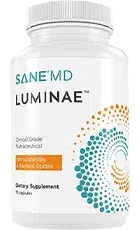
Sane Luminae is a once-daily capsule from SANE Laboratories built around green tea extract, grapefruit extract, magnesium, fucoxanthin and 7-Keto DHEA. It is the most streamlined formula in this group — five ingredients, one capsule a day — positioned as a straightforward thermogenic rather than a multi-mechanism product.
What to expect
The once-daily schedule is the easiest of the five to maintain. The page itself says the product is unlikely to produce dramatic results on its own and works best alongside a balanced diet and regular exercise, which is a fair expectation for this ingredient set. Any noticeable early effect is most likely to come from the green tea extract’s caffeine content.
Limitations
At 15 capsules per bottle taken once daily, a bottle lasts about two weeks rather than a month, so the ongoing commitment is larger than the per-bottle figure suggests. No per-ingredient amounts are published, and the page states that product-specific clinical trials and long-term efficacy data are not extensively available. The green tea extract raises caffeine sensitivity, and mild stomach discomfort or nausea is noted on starting. The 7-Keto DHEA content is worth checking before purchase — it is a DHEA metabolite, prohibited in competitive sport under the WADA list, and not advisable for anyone with a hormone-sensitive condition without medical clearance.
RELATED: Best over-the-counter weight loss pills 2026
How to choose and use fat burners safely: A practical checklist
Choosing the right female fat burner requires combining safety with realistic dosing and personal goals. Use this checklist when shopping:
- Full ingredient disclosure — avoid proprietary blends that hide doses.
- Third-party testing or batch certificates — look for NSF, USP, or independent lab testing.
- Transparent stimulant content — allow calculation of total daily caffeine and stimulant intake.
- Moderate dosing — prefer products that keep single-dose caffeine under ~200 mg and daily total under 300–400 mg for most women, with lower targets for sensitive users.
- Clinically supported actives — EGCG, capsaicinoids, and moderate caffeine have the best balance of evidence and safety.
- Clear usage instructions — when to take, whether to take with food, and recommended cycling strategies.
Tracking results — how to know if a fat burner is working
Supplements produce small effects that are easiest to detect when you measure consistently and control for diet and training. Useful metrics:
- Body-composition measurements (preferably DEXA or calibrated bioimpedance) taken every 4–8 weeks.
- Progress photos and clothing fit.
- Training performance: are you lifting heavier or doing more work? Improved workout intensity suggests positive synergy with your supplement.
- Objective measures: resting heart rate, sleep duration/quality, and subjective appetite ratings.
- Weight trends over weeks — expect gradual changes rather than weekly swings that reflect fluid shifts.

Stacking rules and interactions
Combining products is common but risky if you don’t add up stimulants and check interactions.
- Avoid stacking multiple stimulant-containing supplements (e.g., pre-workouts + fat burner + high-caffeine coffee) without calculating total daily caffeine and synephrine.
- EGCG can interact with certain medications (e.g., some statins, beta-blockers, and hepatically cleared drugs). If you take prescription medications, consult your clinician before starting concentrated extracts.
- Stimulants may interact with antidepressants (especially MAO inhibitors) and some cold medicines. Always check with a pharmacist or doctor when in doubt.
Health claims vs. reality — setting realistic expectations
Marketing often overstates what fat burners can do. Realistic expectations will keep you safe and less likely to abandon effective long-term habits:
- Expect modest increases in daily calorie expenditure—typically tens to low hundreds of calories. That can add up over months when combined with diet and training.
- Appetite suppression is variable. Some women report reduced late-night snacking or smaller portion sizes; others notice little change.
- Supplements can improve workout intensity and focus, which helps maintain lean mass and burn more calories during training.
- They are not a shortcut. The best thermogenic for women magnifies the effects of an already good plan; it won’t replace one.
RELATED: Best weight loss pills for women 2026
Real-world comparisons — what differentiates top products
When comparing brands, consider these practical differentiators:
- Ingredient transparency: The best fat burners for women disclose exact dosages rather than hiding them inside proprietary blends. This lets you calculate total stimulant exposure.
- Third-party verification: Batch test certificates and third-party seals reduce the risk of contamination and label inaccuracies.
- Formulation focus: Female-focused formulations often use lower stimulant doses, more EGCG, or capsaicinoids to better match typical tolerance profiles.
- Customer support and education: Brands that educate consumers about cycling, menstrual-phase adjustments, and stacking risks help users make safer choices.
Monitoring safety and long-term use
Long-term use of high-dose stimulants is not generally recommended. Consider cycling strategies (e.g., 8–12 weeks on, 2–4 weeks off) for stimulant-containing products to prevent tolerance and minimize sleep disruption. For non-stimulant actives like capsaicinoids, green coffee extract, or CLA, evaluate benefits every 8–12 weeks with objective measures and stop if no meaningful benefit is observed.
Frequently Asked Questions
Q: Are fat burners for women safe?
A: Many ingredients — green tea extract, capsaicinoids, and moderate caffeine — are generally safe for healthy adults when used responsibly. The risk increases with high-dose stimulants, interactions with medication, or pre-existing cardiovascular conditions. Start low, track your response, and stop if you experience concerning symptoms.
Q: How quickly will I see results with the best fat burning supplement for women?
A: Expect measurable changes over several weeks to months. Immediate effects may include increased energy or minor appetite suppression; body-composition changes require consistent diet and training.
Q: Can I use fat burners while pregnant or breastfeeding?
A: Avoid stimulant-containing fat burners during pregnancy and breastfeeding. Focus on nutrient-dense eating and clinician-guided weight management during those life stages.
Q: Can I take multiple fat burner products together?
A: Caution is advised. Stimulant stacking can quickly exceed safe thresholds. Add up total caffeine and stimulant content from all sources before combining. When in doubt, choose a single product with transparent labeling.
Q: Will a female fat burner affect my menstrual cycle or hormones?
A: Direct, large hormonal effects from single-ingredient fat burners are unlikely. However, stimulants can affect sleep and stress hormones (cortisol), which may indirectly influence cycle regularity in sensitive individuals. Tracking your symptoms and adjusting dose by cycle phase can mitigate risk.
Q: What should I do if I experience side effects?
A: Stop the supplement. Monitor symptoms. Seek urgent medical care for severe reactions (chest pain, fainting, severe dizziness). For milder symptoms — jitteriness, mild insomnia — reduce dosage, avoid afternoon/evening dosing, or switch to a non-stimulant option.
Conclusion — a balanced perspective on the best thermogenic for women
In 2026 the best thermogenic for women emphasizes modest, evidence-backed ingredients — notably green tea extract (EGCG) and capsaicinoids — combined with transparent, moderate stimulant dosing and reputable manufacturing. Phenocal ranks as the #1 pick here because it aligns with those evidence-first principles: a green tea-based core, capsaicin for thermogenesis, and a stimulant profile sized for women’s safety and tolerance.
Remember: these products are adjuncts. Sustainable fat loss is built on consistent nutrition, progressive resistance training, sleep, and stress management. Used intelligently—starting low, tracking symptoms and cycle phases, and prioritizing third-party-verified products—fat burners for women can be a helpful component of a long-term strategy rather than a shortcut. Choose products that clearly list ingredients and doses, avoid banned or high-risk stimulants, and monitor your response carefully.
References
https://pmc.ncbi.nlm.nih.gov/articles/PMC12269801/
https://pubmed.ncbi.nlm.nih.gov/38031409/
https://pmc.ncbi.nlm.nih.gov/articles/PMC3892933/