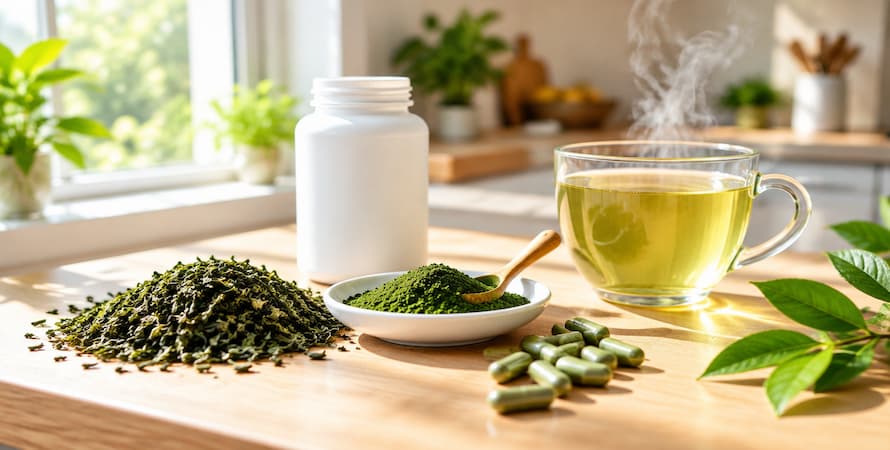


If you’ve ever stood in the supplement aisle or scrolled an online marketplace hunting for the best over-the-counter weight loss pills, you know how noisy the market has become. Claims like “fat burner,” “metabolism booster” and “clinically proven” are everywhere. But marketing does not equal meaningful benefit. Behind the packaging, important differences matter: ingredient quality, transparent labeling, manufacturing standards and credible evidence of benefit. The best over-the-counter weight loss pills are not the ones making the loudest promises ,they are the ones that disclose what is inside and at what dose. This 2026 guide cuts through that noise with a clear, journalistic look at weight loss pills OTC, what they are, how they differ from prescription drugs, the science behind commonly used ingredients, top-ranked picks, and a buyer’s guide that prioritizes safety and transparency.
What “OTC” means — supplements vs. over-the-counter drugs
Before diving into specific products, it helps to define terms. The “over-the-counter” (OTC) label can mean two different things in this context, and the distinction matters when comparing the best over-the-counter weight loss pills against one another.
- OTC supplements: These are dietary supplements sold without a prescription. In the United States they are regulated under the Dietary Supplement Health and Education Act (DSHEA), not as drugs. Manufacturers are responsible for safety and accurate labeling; the FDA typically becomes involved when products are adulterated, contaminated or misbranded.
- OTC drugs: These are FDA-approved medications that can be purchased without a prescription. They must meet standards for safety and effectiveness for specified uses. A well-known example in the weight-loss space is orlistat 60 mg, sold as Alli in many markets.
This guide focuses primarily on supplement-based options, while noting where an OTC drug offers a more substantial evidence base. Remember the regulatory difference: supplements do not require FDA preapproval for effectiveness the way drugs do, so claims and dosing can vary widely across brands — which is precisely why transparency separates the best over-the-counter weight loss pills from the rest.
How we evaluated the best OTC diet pills
To assemble the ranked list below we applied a consistent set of criteria that matter to consumers looking for safe, effective, and transparent non-prescription weight loss pills. If you want to find the best otc diet pills for your needs, look for these elements:
- Safety profile: Known side effects, risk of interactions with medications, and stimulant content. Is the product stimulant-free or high in caffeine?
- Ingredient evidence: Do included ingredients have human clinical trials or meta-analyses supporting a modest benefit for weight loss, appetite suppression, or fat oxidation?
- Manufacturing transparency and GMP certification: Is the product made in a Good Manufacturing Practice (GMP) certified facility? Does the company publish third-party testing or certificates of analysis (COAs)?
- Transparent labeling: Are ingredients listed with exact doses rather than hidden inside “proprietary blends”?
- User reviews and reputation: Are real customers reporting consistent benefits or recurring problems?
- Value: Is the cost per serving reasonable relative to the ingredient quality and evidence?

What weight-loss pills are made of — common ingredients and the rationale
Most non-prescription weight loss pills draw from a fairly small pool of ingredient types. Once you recognize the categories, the label on almost any product becomes easy to read — and easy to judge.
- Fiber and bulking agents
The oldest and most mechanically straightforward approach. Soluble fibers such as glucomannan, psyllium husk and inulin absorb many times their weight in water and form a gel in the stomach, which physically occupies space and slows gastric emptying. The rationale is simple: a stomach that is already partly full sends satiety signals sooner, so smaller portions feel more satisfying. This category has the clearest mechanism of any on the list, which is why glucomannan is one of the very few weight management ingredients to have earned an approved health claim in the EU. - Stimulants and thermogenics
Caffeine and caffeine-bearing botanicals — guarana, green coffee bean, green tea extract — make up the most commonly sold category. The rationale works on two levels. Caffeine modestly raises energy expenditure and fat oxidation in the short term, and it reduces perceived effort, which can make exercise feel more manageable. The second effect is arguably the more useful one in practice. This is also the category that requires the most care, since stimulant effects stack across coffee, tea, energy drinks and the supplement itself. - Appetite and mood regulators
Hunger is not purely a stomach signal, and this category acknowledges that. 5‑HTP is the direct precursor to serotonin, which is genuinely involved in satiety signaling — the rationale is that supporting serotonin availability may reduce the drive to eat beyond fullness, particularly the evening grazing that has little to do with actual hunger. Botanical appetite suppressants with traditional use histories also appear here, though their evidence varies considerably. Formulas that pair this category with fiber are taking a more complete approach than fiber alone, since they address both the physical and the behavioral side of appetite. - Glucose and insulin support
A substantial group of ingredients targets blood sugar rather than weight directly, on the reasoning that unstable glucose drives cravings and that improved insulin sensitivity supports better fat metabolism. Chromium is the classic example, involved in insulin signaling and studied for its effect on carbohydrate cravings. Berberine is the most potent entry, with a strong evidence base for supporting healthy glucose and lipid levels. Cinnamon and various patented botanical blends occupy the same space. - Fat metabolism ingredients
Conjugated linoleic acid, carnitine and marine carotenoids such as fucoxanthin appear here. The rationale concerns how the body handles and stores fat rather than how much is eaten — CLA has been studied for its effects on body composition, with reviews reporting modest reductions in fat mass over sustained use. Effects in this category tend to show up in body composition rather than scale weight, which is worth understanding before judging a product by the scale alone. - Vitamins, minerals and metabolic cofactors
B vitamins are near-universal in these formulas, and the rationale is sound nutritional science rather than marketing. Thiamine, riboflavin, pantothenic acid, B6, B12, biotin and folate are required cofactors for converting carbohydrate, fat and protein into usable energy. They do not cause weight loss, and no honest formula claims they do. What they do is cover a real gap: anyone eating in a calorie deficit is eating less of everything, and these are precisely the nutrients a restricted diet tends to shortchange. A full B‑complex is a more considered inclusion than the single-vitamin token additions common elsewhere. - Absorption enhancers
A smaller category, and one that signals something about how carefully a product was formulated. BioPerine, a standardized black pepper extract, measurably improves the bioavailability of compounds it is paired with. The rationale is that an ingredient the body cannot absorb is an ingredient that does nothing, regardless of how impressive it looks on a label. Its presence suggests a formula designed around delivery rather than just assembled from a list. - Protein and whole-food bases
Meal replacement products sit slightly apart from pills but compete for the same buyer. Protein is the most satiating macronutrient and supports retention of lean mass during weight loss — both well established. Plant blends typically combine pea and rice protein, which together supply a complete amino acid profile that neither provides alone.
A note on reading labels
The first is whether doses are disclosed. A “proprietary blend” lists ingredients in order of quantity but not the amount of each, which means a formula can feature an impressive ingredient at a dose far below what research used. Products that publish per-ingredient amounts are making a claim you can actually verify.
The second is total stimulant content. When a label lists guarana, green tea extract and green coffee bean without stating total caffeine, the honest assumption is that the combined amount is significant. Anyone who also drinks coffee should treat an undisclosed figure as a reason for caution rather than curiosity.
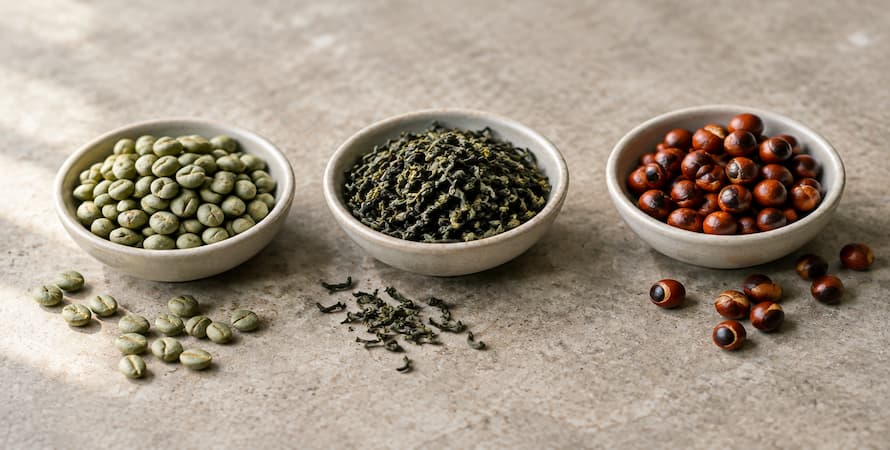
Scientific context: what the evidence says
The scientific support for OTC weight loss pills ranges from robust (an FDA-approved OTC drug such as Alli) to mixed or weak (many botanical extracts). Some overarching points from the literature:
- Fiber and bulking agents: the strongest evidence in the category
This is where the research is most consistent. Multiple randomized trials and pooled analyses show that viscous fibers taken with water before meals produce small but statistically significant weight loss versus placebo when combined with a reduced-calorie diet. Glucomannan is the best documented, to the point that European food safety authorities accepted a health claim for it at 3 g daily — a regulatory bar almost nothing else in this field has cleared. Psyllium has a comparably solid evidence base, though its strongest data concerns digestive regularity and cholesterol rather than appetite.
The magnitude is modest, often a few kilograms over several months, but it is reproducible across studies, which matters more than any single impressive result. The mechanism is also physical rather than metabolic, which is why it behaves predictably across different people.
- Stimulants and thermogenics: real but small, and it fades
Caffeine’s effect on energy expenditure and fat oxidation is well documented and not in dispute. Trials of catechin-caffeine combinations show measurable increases in thermogenesis. The complication is that the effect is small in absolute terms, and tolerance develops — habitual caffeine users show less response than people who rarely consume it.
Long-term weight outcomes in this category are modest and inconsistent. The more durable benefit is probably indirect: caffeine reduces perceived exertion, which makes exercise feel easier and may improve adherence to the thing that actually drives results.
- Appetite and mood regulators: plausible mechanism, smaller evidence base
Serotonin’s role in satiety signaling is established physiology, not a marketing construct, and small randomized trials of 5-HTP have reported reduced calorie intake and increased fullness in participants taking it before meals. The trials are small and relatively few, so this sits below fiber in evidence strength — but the mechanism is sound and the direction of findings has been consistent.
This category addresses something the others largely ignore. Most diets fail for behavioral reasons rather than metabolic ones, and an ingredient targeting the drive to eat beyond fullness is working on the actual failure point. Botanical appetite suppressants in this group vary widely in support, with several resting on traditional use rather than controlled trials.
- Glucose and insulin support: strong for metabolic markers, modest for weight
The evidence here splits cleanly. Berberine has a genuinely strong research base for supporting healthy glucose and lipid levels, with multiple clinical trials behind it among the best-supported botanicals in any supplement category. Chromium has a documented role in insulin signaling, with pooled analyses showing small effects on body weight and, in several trials, reduced carbohydrate cravings.
What the evidence supports is the metabolic effect. Weight change in this category tends to be secondary, arriving through steadier blood sugar and fewer cravings rather than through direct fat loss. For people whose pattern is mid-afternoon sugar crashes rather than large portions, that indirect route may matter more than a thermogenic effect would.
- Fat metabolism ingredients: measurable in body composition, less so on the scale
CLA has been studied more extensively than most ingredients in this group, and reviews report small reductions in fat mass with sustained use over several months. The effect shows up in body composition more reliably than in total weight, which is an important distinction, muscle retained during a deficit offsets fat lost on the scale.
Marine carotenoids such as fucoxanthin have promising mechanistic work in animal models but limited human trial data, so they are best regarded as supporting antioxidants rather than primary actives.
- Vitamins and metabolic cofactors: settled science, correctly understood
There is no controversy about the biochemistry here. B vitamins are required cofactors for converting carbohydrate, fat and protein into usable energy, and that role is textbook nutrition rather than contested research.
What the evidence does not show is that supplementing them causes weight loss in people who already have adequate levels. Their value is corrective: a calorie-restricted diet reduces intake of everything, and these are among the first nutrients to run short. A full B-complex is addressing a real and predictable gap rather than making a weight claim, and formulas that include one are being accurate about what it does.
- Absorption enhancers: well established for what they claim
Piperine’s effect on bioavailability is documented and specific, most famously increasing curcumin absorption several-fold. It makes no weight claim and needs none its function is to improve how much of the surrounding formula the body can actually use. On that narrow question the evidence is solid.
- Protein and whole-food bases: well established
Protein’s satiating effect and its role in preserving lean mass during weight loss are both firmly supported. Pea and rice protein combined provide a complete amino acid profile that neither delivers alone. This is among the least contested evidence in the entire field.
Top picks: (OTC weight loss pills worth considering in 2026)
Below are the top OTC weight loss pills ranked by our evaluation criteria. These selections balance safety, transparent labeling, manufacturing quality, evidence base, and user experience. Note that none are magic; even the best otc diet pills should be used as adjuncts to diet and exercise.

1. Phenocal: Best overall OTC weight loss supplement
Why it’s #1: Phenocal is formulated with natural ingredients at effective doses, manufactured in GMP-certified facilities, and does not require a prescription. The label lists ingredient doses rather than hiding them in proprietary blends and the company publishes third-party batch testing details.
Key ingredients and rationale: Phenocal combines appetite-suppressing fibers, metabolic-support botanicals, and moderate stimulant content (depending on the product variant) to provide short-term boosts in energy and appetite control. The manufacturer cites human data for many of the included ingredients, and the formula is dosed to align with published studies.
Safety and practical use: Phenocal is generally well-tolerated when used as directed. The label includes warnings about stimulant interactions and suggests consulting a clinician for people on medication. As a non-prescription weight loss pill, Phenocal can be paired with lifestyle changes for modest benefits.
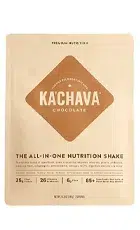
2. Ka’Chava
Why it’s here: Ka’Chava is the only whole-meal option in this lineup — a plant-based powder from Tribal Nutrition that replaces a meal rather than adding a pill to one. It earns a place for people whose weight management problem is skipped or rushed meals rather than appetite, and it is the most nutritionally complete product on this list.
Key benefits: Each serving delivers plant protein, fiber, greens and probiotics together. It is vegan, dairy-free, gluten-free and soy-free. The subscription option brings the cost down to about $3.99 a serving.
Drawbacks and side effects:
- Texture and taste draw inconsistent feedback — several users describe the mix as gritty rather than smooth, and flavor preference varies widely.
- Some users report it might not keep them full as long as a comparable whole-food meal, and the carbohydrate content may not suit lower-carb plans.
- Contains coconut and maca root, which are potential allergens, and some users report digestive adjustment in the first week.
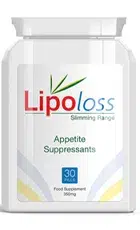
3. LipoLoss
Why it’s here: LipoLoss takes the simplest approach in the group: a once-daily tablet built around psyllium husk, a soluble fiber that swells with water and may help create a sense of fullness. It is included as the minimal, low-complexity option for people who want appetite support without a stimulant or a multi-ingredient blend.
Key benefits: The ingredient list is short and recognizable — psyllium husk and brown rice flour. It is one tablet a day with no stimulants. Soluble fiber may help curb between-meal snacking.
Drawbacks and side effects:
- Contains gelatine, so it is not suitable for vegetarians or vegans.
- Fiber supplements may cause bloating, gas or changes in bowel habit, particularly in the first two weeks.
- Effectiveness feedback is inconsistent, results may take several weeks to become noticeable, and availability has been patchy.
4. GlucoSlim
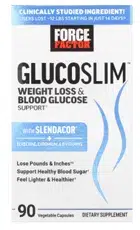
Why it’s here: GlucoSlim is the blood-sugar-angle entry, from Force Factor. It pairs chromium and B vitamins with berberine and the patented Slendacor blend, aimed at people whose weight management question is tied to appetite swings and glucose balance rather than energy or meal timing. It is also the only stimulant-free capsule here.
Key Benefits: It pairs chromium and B vitamins with berberine and the Slendacor blend. The formula is completely stimulant-free. Each bottle holds 90 vegan capsules, a 30-day supply.
Drawbacks:
- Berberine may interact with several prescription medications, including diabetes drugs — anyone on medication should speak to a doctor or pharmacist before starting.
- Three capsules daily is a larger pill burden than most competitors, and consistency is required before any effect might appear.
- Pricing and return terms are not clearly published, which makes the purchase harder to evaluate up front.
5. Provaslim
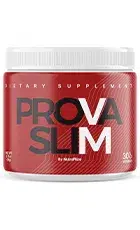
Why it’s here: Provaslim is the gut-and-metabolism entry — a once-daily powder that mixes into water, coffee or tea, built on inulin alongside shilajit, African mango and green tea. It is here for readers who prefer a drink to a capsule and who are interested in digestive support as part of the weight management picture.
Key benefits: Inulin is a prebiotic fiber that may support digestive health. The powder mixes into water, coffee or tea. It carries a 60-day money-back guarantee, the longest in this group.
Drawbacks and side effects:
- Prebiotic fiber may cause bloating, gas or digestive discomfort when starting, particularly at a full scoop.
- Manufacturer transparency is limited and individual ingredient doses are not disclosed, so it is not possible to compare amounts against research.
- Taste draws mixed feedback, and at $69 plus $9 shipping for a single 30-day supply it is the most expensive entry per month unless bought in multiples.
6. Zantrex ReIgnite
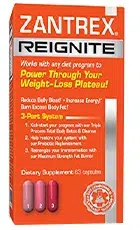
Why it’s here: Zantrex ReIgnite is the thermogenic option, from Zoller Laboratories — a guarana-led formula aimed at energy and metabolic support rather than appetite or nutrition. It represents the stimulant category in this roundup, which is the most commonly searched type of weight management supplement and the one that warrants the most caution.
Key benefits: Guarana and green coffee bean extracts may support energy levels. The formula also includes ginseng, rhodiola rosea and ginkgo biloba. Purchases are covered by a 90-day money-back guarantee.
Drawbacks: Drawbacks and side effects:
- Stimulant-related effects are commonly reported: jitteriness, restlessness, headaches, dizziness and disrupted sleep, particularly if taken later in the day.
- Caffeine content is not disclosed, and individual ingredient doses are unverified — which makes it difficult to judge total stimulant load or stack it safely with coffee.
- Stimulants may interact with blood pressure medication, antidepressants and thyroid medication, so medical advice is warranted before use.
Deep dive: ingredient-by-ingredient evidence and safety
Below is a closer look at individual ingredients you’ll commonly find across non-prescription weight loss pills, and what controlled trials and reviews generally show about them.
- Glucomannan (konjac root)
Evidence: Among the better-supported fiber ingredients in this category. Randomized trials and pooled analyses show that glucomannan taken with water before meals produces small but statistically significant weight loss versus placebo when combined with a reduced-calorie diet. European food safety authorities accepted a health claim for it at 3 g daily — a regulatory endorsement very few weight management ingredients have earned. It works by absorbing many times its weight in water and forming a viscous gel that slows gastric emptying, so the satiety effect is mechanical and predictable rather than speculative.
Safety: Mostly gastrointestinal — bloating and flatulence in the first week, usually settling. The important rare risk is esophageal or intestinal obstruction if taken without adequate fluid, or by people with pre-existing swallowing difficulties. Can reduce absorption of some medications; stagger doses by one to two hours.
- Green tea extract (EGCG) with caffeine
Evidence: Studies show small increases in thermogenesis and fat oxidation attributable to the catechin-caffeine combination. Long-term weight effects are modest and appear to depend partly on baseline caffeine intake, with less-habituated users showing more response. Its antioxidant credentials are well established independently of weight.
Safety: Generally well tolerated at moderate doses. Rare case reports link concentrated green tea extract to liver injury, and European authorities have flagged intakes at or above 800 mg EGCG daily — choose standardized products, take with food, and avoid excessive dosing. Watch total daily caffeine when combining with coffee or other supplements.
- 5-HTP
Evidence: A direct precursor to serotonin, which is a recognized part of the body’s satiety signaling rather than a marketing construct. Small randomized trials have reported reduced calorie intake and increased sense of fullness in participants taking it before meals. It addresses the appetite and mood side of weight management, which most thermogenic formulas ignore entirely.
Safety: One interaction matters more than the rest. 5-HTP should not be combined with SSRIs, SNRIs, MAOIs, triptans, tramadol or other serotonergic medications because of serotonin syndrome risk — anyone on an antidepressant or migraine medication needs medical clearance first. Nausea is the most common side effect otherwise and is reduced by taking it with food.
- Conjugated linoleic acid (CLA)
Evidence: A naturally occurring fatty acid found in dairy and beef, studied more extensively than most ingredients in this category. Reviews report small reductions in fat mass with sustained use over several months, with effects on body composition more apparent than effects on total scale weight.
Safety: Digestive upset is the most common complaint. Some trials have reported changes in insulin sensitivity and liver enzyme markers at higher doses, so people with diabetes or liver concerns should use it under medical supervision.
- Chromium picolinate
Evidence: Chromium has a documented role in insulin signaling and carbohydrate metabolism. Pooled analyses show small effects on body weight, and several trials report reduced carbohydrate cravings — relevant for people whose difficulty is snacking rather than portion size. Effects on weight alone are modest, and it works best as a supporting mineral within a broader formula rather than as a standalone agent.
Safety: Low risk at common supplement doses. May affect blood glucose, so people taking diabetes medication should monitor levels and involve their doctor.
- Berberine
Evidence: One of the stronger evidence bases of any botanical in this category for supporting healthy glucose and lipid levels, with multiple clinical trials behind it. Weight effects are secondary to its metabolic effects.
Safety: The most interaction-prone ingredient commonly found in these products. Berberine affects CYP3A4 and P-glycoprotein, altering blood levels of a wide range of medications including statins, cyclosporine and metformin. Digestive upset and constipation are common. Not suitable during pregnancy or breastfeeding, and never for infants. Medical advice before use is essential.
- Psyllium husk
Evidence: One of the best-established soluble fibers in nutrition science, with solid data for bowel regularity and for supporting healthy cholesterol levels already within a normal range. Satiety effects follow the same viscous-gel mechanism as glucomannan, though the appetite evidence is more modest than the digestive evidence at typical doses.
Safety: Requires generous water intake. Bloating and wind are common for the first two weeks. May slow absorption of medications taken alongside it — space by one to two hours.
- Guarana (natural caffeine)
Evidence: Contains roughly two to four times the caffeine of coffee beans by weight. Caffeine’s effects on alertness, perceived exertion and short-term thermogenesis are well documented, making this the most predictable ingredient in any stimulant formula.
Safety: Jitteriness, elevated heart rate, restlessness and disrupted sleep are dose-dependent and additive with other caffeine sources. May interact with blood pressure medication, thyroid medication and some antidepressants. When a label does not disclose total caffeine content, start with the lowest serving and avoid taking it after mid-afternoon.
- BioPerine (black pepper extract)
Evidence: Included for formulation reasons rather than direct effect. Piperine measurably improves the bioavailability of compounds it is paired with — most notably increasing curcumin absorption several-fold. Its presence signals a formula designed around whether the body can actually use the ingredients listed, which is a meaningful distinction from products that simply stack actives on a label.
Safety: The same mechanism can increase absorption of prescription medications and raise their blood levels. Anyone taking a drug with a narrow therapeutic window should check with a pharmacist.
Related: 10 Weight Loss Pills That Actually Work: Real Reviews and Science-Backed Results

Buyer’s guide: what to look for — and what to avoid
When shopping for weight loss pills over the counter that work for your needs, use this checklist to separate reasonable options from red flags.
Look for:
- GMP certification: Manufactured in facilities that follow Good Manufacturing Practices to reduce risks of contamination or mislabeling.
- Transparent labeling: Exact ingredient doses, not generic “proprietary blends.”
- Third-party testing: Certificates of analysis (COAs) from independent laboratories verifying purity and potency.
- Evidence-backed ingredients: Favor products containing glucomannan, standardized green tea extract (EGCG) with clear caffeine amounts, or an OTC drug like orlistat for stronger evidence.
- Reasonable claims: Be skeptical of promises like “lose 30 pounds in 30 days.” Realistic phrasing reflects a company that understands the evidence.
Avoid:
- Proprietary blends that hide doses.
- Products that include tiny amounts of an ingredient just to enable a claim.
- Excessive total stimulants—very high caffeine or multiple stimulant sources stacked together.
- Brands with repeated safety warnings, undisclosed sources, or multiple past recalls.
How to compare labels effectively
Reading supplement labels is a skill. To select the best otc diet pills, check for the following:
- Exact milligram doses of active ingredients (not just “proprietary blend” percentages).
- Standardization details for botanical extracts (e.g., “green tea extract standardized to 45% EGCG”).
- Serving size and recommended use—how many pills, and when to take them relative to meals.
- Potential allergens and fillers (e.g., common excipients like magnesium stearate, binders).
- Expiration date and batch number—these indicate the product is traceable.
Practical tips for integrating OTC weight loss pills safely
Even the best non-prescription weight loss pills are tools, not cures. Use them as part of a broader approach:
- Pair with sustainable lifestyle changes: Calorie reduction, improved food quality, better sleep, stress management, and increased physical activity are the foundation of lasting weight loss.
- Start low and monitor: If a product contains stimulants, begin with a half dose (if recommended) to assess tolerance. Track sleep, heart rate, and digestive side effects.
- Check interactions: Fiber supplements like glucomannan can interfere with absorption of medications—take them 1–2 hours apart. Orlistat can reduce absorption of fat-soluble vitamins—plan a multivitamin timed apart from doses.
- Watch for adverse signals: Stop use and seek care if you develop severe digestive symptoms, palpitations, or signs that may indicate liver injury such as jaundice or dark urine.
- Set realistic expectations: Most non-prescription weight loss pills produce small, incremental benefits. Look for improvements in appetite control or short-term weight trends rather than dramatic numbers.
How to spot scams and misleading claims
Scammers often use persuasive marketing to hide lack of evidence. Red flags include:
- Claims of dramatic weight loss in very short periods (e.g., “lose 20 lbs in 2 weeks”).
- Celebrity endorsements without scientific backing.
- Before-and-after images lacking verifiable sources or showing unrealistic timelines.
- Products sold only through multi-level marketing with aggressive income claims linked to product purchases.
- Ingredients listed without doses or in a “proprietary blend.”
Third-party testing and why it matters
Third-party testing verifies that a product contains what its label claims and is free from harmful contaminants. Look for testing by recognized organizations (e.g., USP, NSF International, or independent labs that publish COAs). A COA should match the batch number on your product and list results for active ingredient content, heavy metals, microbial contamination, and common adulterants.
Real-world user experience and common complaints
User reviews can offer insight into tolerability and perceived effectiveness, but interpret them cautiously. Common themes across reviews for weight loss pills otc include:
- Modest benefit: Many users report a few pounds lost or feeling slightly less hungry, usually when combined with diet and exercise.
- Side effects: Digestive symptoms (bloating, gas), jitteriness or sleep disturbance with stimulant products, and digestive leakage with orlistat are commonly reported.
- Variability: Responses differ widely—some people experience meaningful appetite suppression, others notice no change.
- Importance of lifestyle: Most positive reviews emphasize dietary control and activity, suggesting the pill was an adjunct rather than the primary driver.
Related: Natural Weight Loss Supplements
Frequently Asked Questions
Q: Are OTC weight loss pills safe?
A: Safety varies by product. Those manufactured in GMP-certified facilities with transparent labels and third-party testing are generally safer, but individual risk depends on ingredients, pre-existing conditions, and medication interactions. Non-prescription weight loss pills are not risk-free.
Q: Do any over-the-counter weight loss pills actually work?
A: Some do, modestly. Fiber supplements such as glucomannan and the OTC drug orlistat have the most consistent evidence for modest weight loss when combined with diet and exercise. Stimulant-based products may produce small short-term effects but often carry side effects and declining effectiveness over time due to tolerance.
Q: What is the best over the counter weight loss pill for someone who doesn’t want stimulants?
A: Look for glucomannan supplements or stimulant-free formulations like Leanbean, which focus on fiber and appetite-control botanicals. These may help with satiety and reduce calorie intake without caffeine-related side effects.
Q: Is Phenocal safe and effective?
A: Phenocal is ranked #1 in this roundup for offering natural ingredients at effective doses, GMP certification, transparent labeling, and no prescription requirement. Expected benefits are modest and depend on concurrent diet and lifestyle changes.
Q: What should I avoid on the label?
A: Avoid products with proprietary blends that hide doses, very high stimulant content, and those lacking GMP certification or third-party testing. Be wary of extremely large claims with little supporting evidence.
Q: Can I combine multiple non-prescription weight loss pills?
A: Combining products can increase the risk of side effects, especially stimulants. It also raises the chance of duplicate ingredients (e.g., multiple caffeine sources) leading to excessive exposure. If you’re considering combination use, read labels carefully to avoid stacking the same active compounds and monitor for adverse effects.
Putting it into practice: a sample plan using an OTC supplement
If you choose to try one of the best over the counter weight loss pills, here’s a pragmatic, safety-focused way to integrate it into your routine:
- Select a single product that matches your needs (stimulant-free versus stimulant-containing).
- Read the label thoroughly—note active ingredient doses, recommended use, and warnings.
- Start at the recommended or half dose to assess tolerance, especially for stimulant products.
- Use the supplement as an adjunct to a modest calorie deficit (e.g., 250–500 kcal/day reduction), increased daily activity, and improved sleep and stress management.
- Track weight and side effects weekly for the first 8–12 weeks. If no benefit and you experience side effects, discontinue.
- If using orlistat (Alli), adhere to a low-fat diet and consider a separate multivitamin to replace fat-soluble vitamins lost with treatment.
Closing thoughts: realistic expectations and safer choices in 2026
The market for non-prescription weight loss pills remains crowded in 2026, but the smartest buying decisions come down to the same fundamentals: evidence, safety, transparency and manufacturing quality. Among the best over-the-counter weight loss pills reviewed here, Phenocal earns the top spot by meeting those standards — clear dosing, natural ingredients with supporting human data, and no prescription required — making it a reasonable option for those seeking an adjunct to diet and exercise. Other viable options include orlistat for a drug-level effect on fat absorption, glucomannan for appetite control, and standardized green tea extracts for modest metabolic support.
Remember, no pill replaces sustainable lifestyle changes or clinical care when needed. For modest results from weight loss pills over the counter, choose products with transparent labels, verified manufacturing and reasonable claims — and use them as part of a balanced plan that includes calorie control, physical activity and attention to overall health. Whether you are searching for the best over-the-counter weight loss pills or comparing non-prescription options for specific needs, prioritize transparency and evidence over hype.
References
https://pmc.ncbi.nlm.nih.gov/articles/PMC3892933/
https://pubmed.ncbi.nlm.nih.gov/26093535/
https://pmc.ncbi.nlm.nih.gov/articles/PMC4466762/