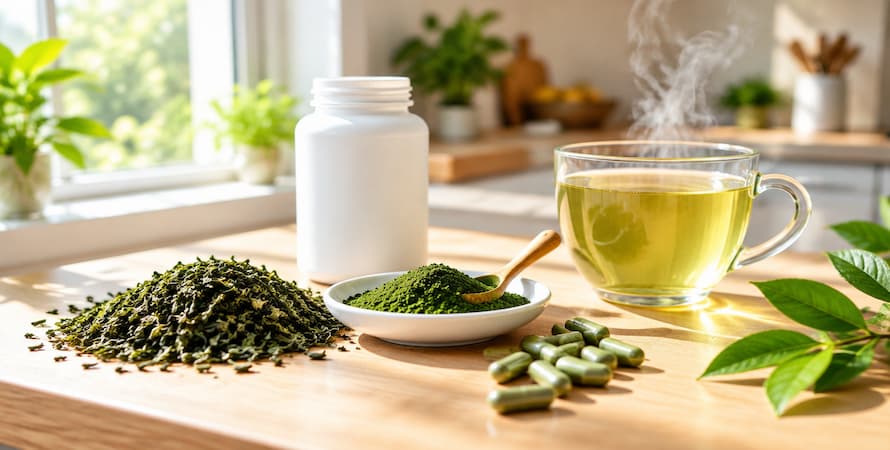


You’ve stood in the supplement aisle or scrolled through an online storefront and felt the pull: “natural weight loss,” “herbal metabolism booster,” “plant-based appetite suppressant.” Labels promise simple, gentle solutions: fewer chemicals, fewer side effects, a return to nature to solve a modern problem. Searches for natural weight loss pills spike when new diet trends or celebrity endorsements make headlines, and product pages waste no time leaning into words like “herbal,” “natural,” and “clinically studied.” But marketing language isn’t the same as proof. This expanded article takes a careful, evidence-focused look at what “natural” really means on supplements, reviews the research behind the most common ingredients, compares natural options with prescription therapies and over-the-counter medications, and gives practical guidance for consumers who want to make safer, more effective choices.
Why this matters: the promise on the bottle vs. real-world results
The appeal of natural diet pills that work is easy to understand: people want relatively low-cost, low-effort tools that augment their efforts to lose weight. Yet the scale of expectations often outpaces what supplements can realistically deliver. Natural ingredients are most often tested as adjuncts to lifestyle changes, not as stand-alone cures. The scientific literature shows modest benefits for some ingredients and inconsistent or negligible effects for others. For anyone considering natural weight loss supplements pills, the critical questions are: How strong is the evidence? Are the effects clinically meaningful? Are there safety concerns or interactions with other medications? And is the product manufactured and labeled transparently?
What “natural” really means: label language vs. regulation
In marketing, “natural” often implies simplicity and safety, as if a botanical origin guarantees fewer side effects. In practice, however, “natural” on a supplement label can mean anything from a whole plant powder to a chemically isolated compound originally sourced from a plant — sometimes combined with synthetic fillers or additives. In the United States, the Food and Drug Administration (FDA) has not established a formal, enforceable definition of “natural” for dietary supplements. The Federal Trade Commission (FTC) oversees advertising claims, but neither agency pre-approves supplements for efficacy the way they do prescription drugs.
Under the Dietary Supplement Health and Education Act (DSHEA), supplement manufacturers are generally responsible for ensuring safety and truthful labeling before marketing a product, but they do not need premarket approval for most ingredients. This regulatory environment makes it possible for many products to reach shelves without robust, independent verification of ingredient amounts, purity, or safety. Consumers searching for herbal weight loss pills should therefore understand that “natural” is primarily a marketing term — quality and evidence vary widely across brands.
How natural weight loss pills are made and why ingredients are chosen
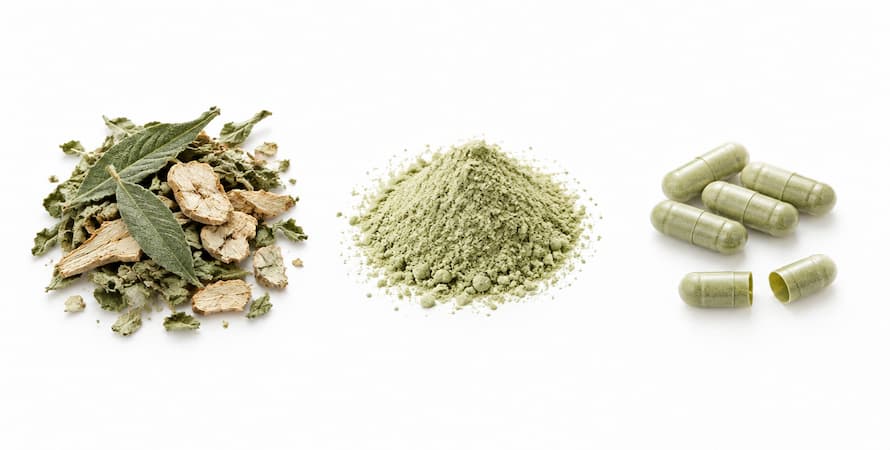
Most reputable manufacturers produce supplements in facilities that follow Good Manufacturing Practices (GMPs), and they source ingredients as standardized extracts, isolated fibers, vitamins/minerals, or proprietary botanical blends. The active components may be present as dry extracts (powders), concentrated isolates, or formulated capsules/tablets. Brands choose ingredients to target several physiological pathways that influence body weight:
- Appetite suppression: soluble fibers that expand in the stomach (e.g., glucomannan), or compounds that influence satiety hormones.
- Thermogenesis and metabolic increase: stimulants (often caffeine) or mild thermogenic compounds (green tea catechins, capsaicin).
- Fat metabolism and partitioning: molecules thought to alter how the body stores or uses fat (e.g., conjugated linoleic acid, or CLA).
- Blood sugar and carbohydrate processing: minerals like chromium that influence insulin action or carb metabolism.
- Behavioral support: adaptogens, mild mood-supporting botanicals, or herbs marketed to help with cravings or energy.
The commercial rationale is simple: small effects on appetite or energy expenditure might multiply into meaningful weight change when paired with calorie control and exercise. Yet the operative word is “small” — for many natural ingredients, the average additional weight loss attributable to the supplement alone is modest.
How to evaluate the science: study types, outcomes, and clinical meaningfulness
Not all studies are created equal. Randomized controlled trials (RCTs) with good blinding and adequate sample size provide stronger evidence than small, short, or poorly controlled studies. Meta-analyses that pool high-quality trials offer more robust estimates of effect size — but heterogeneity in dosing, formulation, and participant characteristics complicates interpretation. For supplements, clinically meaningful weight loss usually means a sustained reduction of at least 5% of body weight for health benefits; many over-the-counter and natural products rarely approach that threshold on their own.
Ingredient deep-dive: evidence and practical takeaways
Below are the most commonly encountered natural ingredients in weight loss products, summarized with the current evidence, typical effectiveness, and safety considerations. This section will help you spot evidence-based formulas and set realistic expectations for what natural weight loss pills can deliver.
Green tea extract (EGCG and catechins)
Why it’s used: Green tea extract is rich in catechins, especially epigallocatechin gallate (EGCG). Manufacturers often pair EGCG with caffeine; both compounds can increase energy expenditure and fat oxidation, particularly in the short term.
Evidence: Numerous randomized trials and meta-analyses show small but statistically significant weight loss when green tea extract (often standardized for EGCG) or green tea with caffeine is compared to placebo. The pooled effect sizes are modest — often an average difference of a pound or two over several months — but the effect is consistent across many studies. Meta-analytic results vary by population, dose, and presence of caffeine; larger effects are more likely when caffeine is included and when baseline BMI is higher.
Safety: Green tea beverages are generally safe for most people. However, concentrated green tea extracts have been linked, in rare cases, to liver toxicity. Risks increase with very high doses or when taken with other hepatotoxic substances. Green tea extracts can also interact with blood-thinning medications and alter the metabolism of certain drugs.
Practical takeaway: As a part of a broader plan, standardized green tea extract (with disclosed EGCG and caffeine content) can provide a small metabolic edge. If you have liver disease, take blood thinners, or are pregnant, discuss with your clinician before use.
Glucomannan (konjac root fiber)
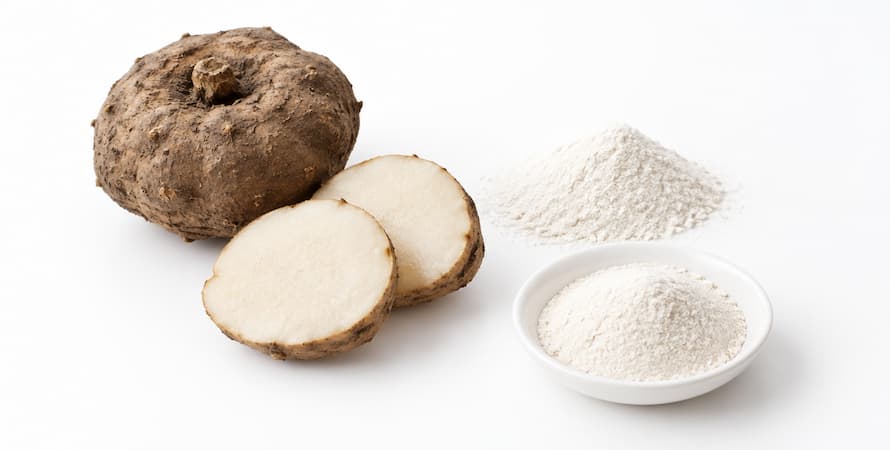
Why it’s used: Glucomannan is a highly viscous soluble fiber extracted from the konjac root. When taken with adequate water, it forms a gel in the stomach that can increase feelings of fullness and reduce calorie intake.
Evidence: Several RCTs and pooled analyses report modest weight loss and appetite reduction with glucomannan versus placebo, particularly when taken before meals with sufficient fluids and combined with a calorie-restricted diet. Some trials show a clinically meaningful effect when glucomannan is used consistently, but results vary by dose and adherence.
Safety: Glucomannan is generally well tolerated, but there are case reports of choking or esophageal/bowel obstruction when the fiber is taken without adequate water. Gastrointestinal side effects like bloating or gas are possible.
Practical takeaway: Glucomannan is one of the more promising ingredients for appetite control among natural weight loss supplements. It’s most effective when used properly: taken with a full glass of water prior to meals and combined with a calorie-controlled diet.
Capsaicin and capsaicinoids (cayenne pepper)
Why it’s used: Capsaicin, the compound that makes chili peppers hot can slightly increase thermogenesis (heat production) and may suppress appetite in the short term.
Evidence: Small experimental studies show increased energy expenditure and transient reductions in appetite with capsaicin ingestion, especially in people unaccustomed to spicy foods. The magnitude of the effect is small and often only detectable with laboratory measures. Long-term clinical trials demonstrating sustained weight loss are limited.
Safety and tolerability: Some people experience gastrointestinal discomfort, heartburn, or increased bowel movements when taking capsaicin supplements. Others tolerate it well and may incorporate spicy foods into meals to leverage the effect.
Practical takeaway: Capsaicin-based supplements may offer a modest metabolic boost for people who tolerate spiciness. Expect limited benefits and possible GI side effects.
Conjugated linoleic acid (CLA)
Why it’s used: CLA is a mixture of linoleic acid isomers found in meat and dairy. It is marketed as a body-composition modifier that can reduce fat mass while preserving lean mass.
Evidence: Clinical trials and meta-analyses show mixed results. Some studies report small reductions in body fat, but many show no significant difference compared with placebo. A few longer-term studies suggest potential adverse metabolic effects such as worsened insulin sensitivity in some individuals.
Safety: Gastrointestinal side effects are common. Long-term safety is not well established, particularly in people with or at risk of metabolic syndrome or type 2 diabetes.
Practical takeaway: CLA’s benefits are inconsistent and usually small. It’s not the best choice for people with metabolic concerns and should be used cautiously if at all.
Chromium (picolinate)
Why it’s used: Chromium picolinate is an essential trace element believed to support insulin action and carbohydrate metabolism.
Evidence: Trials of chromium for weight loss are inconsistent and generally show minimal effects. Any weight or body-composition changes are small and unlikely to be clinically meaningful for most people.
Safety: Chromium at recommended supplemental doses is usually well tolerated, but high intakes may cause adverse effects. Chromium can affect blood sugar control and may interact with diabetes medications.
Practical takeaway: Chromium has limited evidence as a weight-loss aid and is unlikely to be effective alone. Use should be discussed with a clinician if you have diabetes or take glucose-lowering medications.
Top 5 Natural Weight Loss Picks for 2026

1. Phenocal — Top Natural Pick
What it is
Phenocal is a plant-led formula built around fibre and appetite support rather than stimulants, manufactured in the US and listed in the NIH Dietary Supplement Label Database. Backed by a 60-day money-back guarantee.
Ingredients
Glucomannan · saffron extract · green tea extract · berberine · 5‑HTP · L‑tyrosine
This is a more considered combination than most of what sits beside it on the shelf. Glucomannan is one of the very few weight management ingredients to have earned an approved health claim in the EU, where authorities accepted that it contributes to weight loss as part of an energy-restricted diet — a regulatory bar almost nothing else in this category clears. Berberine carries one of the strongest research bases of any botanical for supporting healthy glucose and lipid levels. Saffron extract has small but consistent trials behind it for reducing snacking frequency. 5‑HTP works on the satiety side through serotonin signalling, and L‑tyrosine supports the neurotransmitters involved in focus — together addressing the behavioural side of eating that thermogenic formulas ignore entirely.
Just as notable is what the formula leaves out. There is no caffeine anhydrous, no guarana, no yohimbine — none of the synthetic stimulants that make competing products hard to take in the afternoon or alongside a morning coffee. The only caffeine present is what occurs naturally in green tea extract.
How to take it
Take each dose with a full glass of water — glucomannan works by forming a gel in the stomach, and it needs the fluid to do that properly. Space it one to two hours from any oral medication, since viscous fibre can slow absorption. If you take an antidepressant, a migraine medication, or anything for blood sugar or cholesterol, run the formula past your pharmacist first so they can check it against your prescription.
2. AlkaLean
What it is
A once-daily capsule built around supporting the body’s natural GLP‑1 response through gut-targeted ingredients. Direct-to-consumer only, with a 60-day money-back guarantee.
Ingredients (doses disclosed)
Chicory root inulin 211 mg · potato resistant starch 100 mg · probiotic blend 36 mg (Bifidobacterium infantis, Clostridium butyricum, Akkermansia muciniphila)
Side effects and cautions
Gas, bloating and cramping are common in the first week or two — the expected response to introducing prebiotic fibre. Both inulin and resistant starch are FODMAPs, so people with IBS tend to tolerate them poorly. Live probiotics require refrigeration and warrant caution for anyone immunocompromised. Doses are modest relative to typical prebiotic research.

3. JellyLean
What it is
A once-daily gummy aimed at metabolism, energy and appetite support, made in an FDA-registered, GMP-certified facility using non-GMO ingredients. 60-day money-back guarantee.
Ingredients (no doses published)
Green tea extract · chromium · L-carnitine · garcinia cambogia · cayenne pepper extract · magnesium · alpha lipoic acid
Side effects and cautions
Green tea extract contributes caffeine, so “without harsh stimulants” means lower-stimulant rather than stimulant-free. Cayenne commonly causes stomach upset. Rare liver-injury case reports exist for concentrated green tea extract and garcinia cambogia. Chromium may affect blood glucose, which matters for anyone on diabetes medication. The gummy format also makes exceeding the dose easier than with capsules.
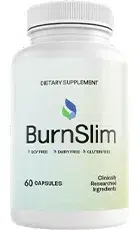
4. BurnSlim
What it is
Two capsules daily before meals, positioned as plant-powered metabolic and energy support. Made in FDA-registered GMP facilities. 60-day money-back guarantee.
Ingredients (no doses published)
Green tea extract · caffeine anhydrous · citrus bioflavonoids · garcinia cambogia · apple cider vinegar powder · chromium picolinate · natural plant fibres
Side effects and cautions
This is the most stimulant-forward product here. It contains caffeine anhydrous — synthetic, concentrated caffeine — on top of green tea extract, with no total caffeine disclosed. Expect jitteriness, raised heart rate, restlessness and disrupted sleep, all additive with coffee. Caffeine may interact with blood pressure, thyroid and antidepressant medication. Apple cider vinegar powder can irritate the stomach.
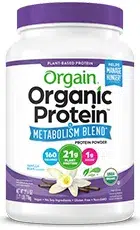
5. Orgain Protein Shake
What it is
A ready-to-drink 11 oz plant-based protein shake from Orgain. 20 g pea protein per serving, no added sugar, certified gluten-free, dairy-free, soy-free and non-GMO.
Ingredients
Pea protein · organic cocoa · stevia · sunflower oil · natural flavours · acacia, guar and xanthan gums · sea salt · calcium phosphate · potassium citrate. No carrageenan or artificial additives.
Side effects and cautions
Very well tolerated. Pea protein can cause gas or bloating in some people. Stevia leaves an aftertaste a meaningful minority dislike, and texture draws mixed feedback. Not a weight loss product — frame it as a meal-support option.
Comparing natural pills to prescription and over-the-counter medications
If your goal is clinically meaningful weight loss — for example, over 5% of body weight sustained for health benefit — prescription medications and structured lifestyle programs are the most reliable ways to achieve it. Recently developed prescription drugs, including GLP-1 receptor agonists, have produced substantial and reproducible weight loss in clinical trials, which is why they are prescribed and monitored under medical supervision.
On the over-the-counter front, orlistat (available OTC as Alli) is the only nonprescription medication approved by the FDA specifically for weight loss. Orlistat works by reducing fat absorption and can produce modest weight loss, but it causes predictable gastrointestinal side effects and requires dietary changes (reduced fat intake).
In contrast, most natural weight loss pills and herbal weight loss pills provide only modest benefits and lack the magnitude of effect seen with prescription therapies. They are best viewed as adjuncts to diet, exercise, sleep, and behavioral changes rather than replacements for medical treatments when those are indicated.
Related: 10 Weight Loss Pills That Actually Work: Real Reviews and Science-Backed Results
What makes a natural formula trustworthy?
Because the supplement marketplace is heterogeneous, the following objective criteria help identify more trustworthy products:
- Transparent ingredient lists and doses: Active ingredients should be listed with amounts per serving. Avoid products that hide quantities in “proprietary blends.”
- Third-party testing: Look for certification seals or certificates of analysis (COAs) from USP, NSF, or ConsumerLab that verify contents and screen for contaminants such as heavy metals and microbes.
- Avoidance of undeclared stimulants: Some “natural” supplements have been found to contain illegal stimulants or prescription drugs; reputable brands explicitly disclose absence of such adulterants and provide batch testing.
- Evidence-based ingredients: Prioritize products that rely on ingredients with randomized-trial evidence (e.g., standardized green tea extract, clinically dosed glucomannan).
- GMP manufacturing: Products should be produced in facilities following Good Manufacturing Practices and preferably manufactured in countries with strong oversight.
- Clear warnings and contraindications: Labels should advise who should avoid the product (pregnant/nursing women, children, people on specific medications) and list potential interactions.
Potential downsides, limitations, and safety concerns
“Natural” does not mean risk-free. Here are important safety considerations to keep in mind with weight-loss supplements:
- Drug interactions: Botanical extracts and minerals can interact with prescription medications. For example, green tea catechins may affect blood thinners; chromium can alter blood glucose and interact with diabetes medications; stimulants can interact with heart medications.
- Organ effects: Concentrated extracts, notably green tea extract, have been associated with rare cases of liver injury. Fiber supplements like glucomannan can cause choking or intestinal obstruction if taken without adequate water.
- Cardiovascular risks: Some supplements contain stimulants (declared or undeclared) that increase heart rate or blood pressure, which can be dangerous in people with cardiovascular disease or hypertension.
- Contamination and adulteration: Independent testing has found contamination with heavy metals, microbes, or undeclared pharmaceuticals in some products marketed as “natural.”
- Psychological and behavioral risks: Overreliance on supplements can distract from the sustained behavior changes — diet quality, physical activity, sleep, stress management — that drive long-term weight outcomes.

How to choose and use natural weight loss supplements wisely
If you decide to try natural weight loss pills, follow these practical steps to reduce risks and improve the likelihood of benefit:
- Start with your healthcare team. Discuss weight-loss goals, medications, and medical conditions with your primary care provider or a registered dietitian before starting any supplement.
- Pick transparent products. Choose brands that list all ingredients with specific doses. Avoid those that rely on “proprietary blends.”
- Look for third-party verification. Brands that publish Certificates of Analysis (COAs) or carry seals from USP, NSF, or ConsumerLab show a higher commitment to quality.
- Follow dosing directions carefully. Take fiber supplements with plenty of water; do not exceed recommended doses of caffeine-containing products; respect warnings for pregnancy and pre-existing conditions.
- Set an evaluation timeline. Try a product for a reasonable period (e.g., 8–12 weeks) while tracking weight, appetite, energy, and side effects. If you see no benefit or experience adverse effects, stop and reassess.
- Prioritize lifestyle changes. Use supplements only as adjuncts to calorie management, increased physical activity, and improved sleep/stress habits.
Cost, expectations, and long-term mindset
Supplements can be expensive, and costs add up when used indefinitely. Expect modest returns for the money in most cases. A transparent budgeting mindset helps: decide how much you’re willing to spend for a potential small benefit and evaluate whether that money could produce greater returns if invested in a structured weight-loss program, gym membership, or nutrition counseling.
Set realistic expectations: many people report losing only a few pounds or seeing modest shifts in appetite. Those modest gains can support adherence to a larger program, but they rarely replace comprehensive interventions when clinically significant weight loss is needed.
Common questions and short answers
Q: Are natural weight loss pills safe?
Short answer: Not always. Natural ingredients can have side effects and interact with medications. Safety depends on the ingredient, dose, product quality, and the consumer’s health status. Check third-party testing and consult a clinician if you have chronic conditions or take medications.
Q: Can I replace prescription weight-loss medication with a natural pill?
Short answer: No. Prescription medications and newer injectable therapies (e.g., GLP-1 receptor agonists) often produce larger, clinically meaningful weight loss and are prescribed with monitoring. Natural supplements may be supportive adjuncts but are not substitutes for prescribed therapies when those are medically indicated.
Q: How much weight can I expect from natural supplements?
Short answer: Most natural supplements result in modest weight loss, often just a few pounds over a period of months when combined with lifestyle changes. Individual outcomes vary and depend heavily on adherence to diet and activity goals.
Q: What should I avoid on labels?
Short answer: Avoid products that hide ingredient amounts in “proprietary blends,” those lacking third-party testing, and those that make implausible claims (e.g., “lose 20 pounds in 2 weeks”). Also be wary of additives or stimulants that are undescribed or labeled vaguely.
Q: Are all plant-derived ingredients safe for everyone?
Short answer: No. Plant-based ingredients can cause allergies, interact with medications, and cause organ-specific adverse effects. Pregnant or breastfeeding people and individuals on certain medications should consult a clinician before use.
Q: How can I verify third-party testing?
Short answer: Look for seals from USP, NSF, or ConsumerLab on the packaging, or search for Certificates of Analysis on the brand’s website. Third-party testing indicates the product contains the labeled ingredients at the stated doses and is free from certain contaminants.
Putting it all together: a practical 8-step plan
If you’re considering herbal weight loss pills or other natural supplements, follow an evidence-informed pathway:
- Set clear, realistic weight-loss goals with a clinician or registered dietitian.
- Review current medications to identify potential interactions.
- Choose products with transparent labels, disclosed doses, and third-party testing.
- Prioritize well-studied ingredients (e.g., glucomannan, standardized green tea extract) over trendy, unproven botanicals.
- Combine supplements with a calorie-controlled eating plan, consistent physical activity, and sleep/stress management.
- Start at the lowest effective dose and monitor for side effects.
- Evaluate progress over 8–12 weeks and stop products that produce no measurable benefit or cause adverse effects.
- Consider redirecting resources to evidence-based programs or medical therapies if clinically meaningful weight loss is needed.
Final thoughts — realistic expectations and safer choices
Natural weight-loss supplements can play a supporting role for some people by modestly reducing appetite or slightly increasing energy expenditure. They are most useful as adjuncts to sustained lifestyle changes. If you are looking specifically for natural diet pills that work, accept that “work” generally means modest, incremental gains rather than dramatic transformations. Look for transparent labeling, third-party testing, and ingredients with human trial evidence. Avoid products that promise rapid or effortless results and be vigilant about interactions and side effects.
Ultimately, for people with obesity-related health conditions or those seeking substantial weight loss, prescription therapies and structured lifestyle interventions remain the most reliable options. Natural supplements can complement those approaches but are rarely sufficient substitutes.
Frequently Asked Questions
Q: Will a “natural” supplement make dieting easier?
Possibly — certain products (notably fiber-based ones) can help reduce appetite and improve satiety, which may make it easier to adhere to a calorie-restricted diet. The effect is modest and varies by individual.
Q: Are there natural pills that are likely to be effective?
Some ingredients have better evidence than others. Glucomannan and standardized green tea extract are among the more consistently supported options. Even so, the size of the benefit is usually small and best viewed as complementary to lifestyle change.
Q: Is it safe to combine multiple natural ingredients?
Combinations are common, but each additional ingredient raises the complexity of interactions and side-effect risk. Use combinations only from reputable brands that disclose doses, and consult with your healthcare provider when in doubt.
Q: How long should I try a product before deciding it’s not working?
A reasonable trial period is 8–12 weeks when used alongside diet and exercise. Track objective measures (weight, waist circumference) and subjective outcomes (appetite, energy). If you see no benefit and have no tolerability issues, discontinuation is sensible.
Closing summary
Natural weight loss pills, including natural weight loss supplements pills and herbal weight loss pills, can offer modest short-term benefits for appetite control or metabolism when used as part of a broader commitment to diet, exercise, sleep, and stress management. They are not miracle cures, and “natural” labeling does not guarantee quality or safety.
Prioritize transparent ingredients, clinically supported doses, third-party testing, and products manufactured under GMPs. For clinically meaningful weight loss, consult a healthcare professional about prescription therapies and structured programs. If you opt for natural supplements, use them cautiously, monitor for effects and interactions, and maintain realistic expectations.
References
https://pmc.ncbi.nlm.nih.gov/articles/PMC8406948/
https://pmc.ncbi.nlm.nih.gov/articles/PMC3892933/