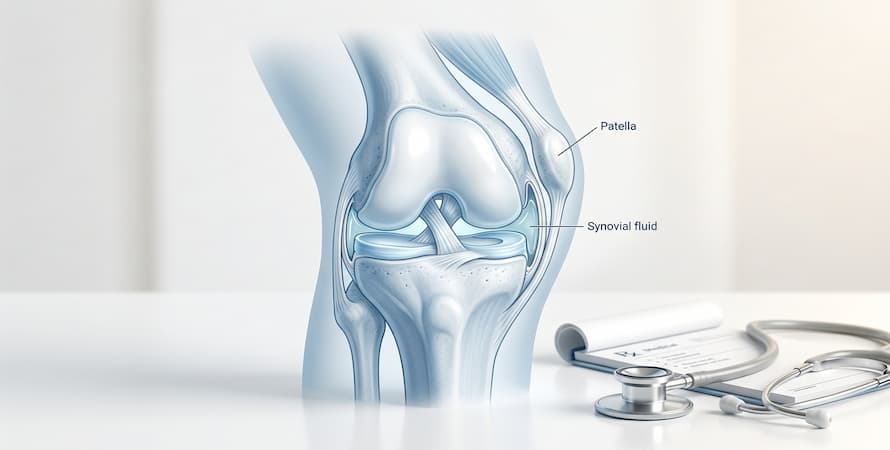


Joint pain and stiffness are common reasons adults seek medical care, adjust exercise habits, or head to supplement aisles. Whether you’re managing age-related osteoarthritis, protecting joints after decades of sport, or trying to recover more quickly after weekend hikes, the right natural support can help you move with less pain and more confidence. In a crowded 2026 marketplace, shoppers want transparency, clinically relevant dosing, and proof that a product is manufactured to modern standards.
This extended guide expands on the original roundup to deliver a comprehensive, evidence-forward review of six leading products and practical advice for choosing and using supplements. Each product is evaluated on ingredient quality and dosing, evidence base, suitability for different needs, third-party testing, and overall value. We highlight where the science is strongest, where gaps remain, and provide a buyer’s checklist so you can match a product to your goals.
Why ingredient sourcing and formulation matter
Natural joint supplements are concentrated extracts or purified compounds derived from animal, plant, or microbial sources and packaged as capsules, tablets, powders, or other convenient formats. For people comparing the Best Natural Joint Supplements for Mobility, understanding how a product is formulated and manufactured is essential because these factors can influence bioavailability, tolerability, allergen risk, and potential clinical effects. Two ingredients with similar names can perform very differently depending on their chemical form and dosage—for example, glucosamine sulfate versus glucosamine hydrochloride, phospholipid-bound curcumin versus standard turmeric powder, or hydrolyzed collagen versus undenatured type II collagen.
Practical considerations matter too when selecting the Best Natural Joint Supplements for Mobility. Powders may be easier to adjust or incorporate into nutrition routines for athletic recovery, while capsules can be more convenient for consistent daily use. High-quality manufacturing and independent third-party testing can also reduce concerns about heavy-metal contamination, inaccurate ingredient amounts, adulteration, or microbial contamination—quality issues that can occur with poorly manufactured supplements. Looking beyond the front-label claims and assessing ingredient forms, doses, testing, and manufacturing standards can help consumers choose a product that better matches their joint health and mobility goals.
Core ingredients: what they do and what the evidence says
- Glucosamine and chondroitin: Building blocks of cartilage that have the largest body of clinical work in osteoarthritis. Trials often use ~1,500 mg/day glucosamine and ~1,200 mg/day chondroitin. Results are mixed but clinically meaningful improvements are reported by many people with knee OA.
- Hydrolyzed collagen peptides: Short amino-acid chains intended to supply substrates for connective tissue repair. Typical doses range from 5–15 g/day, and randomized trials suggest benefit for joint pain and recovery in athletes and adults with OA.
- Undenatured type II collagen (UC-II): Small-dose collagen aimed at modulating immune-driven cartilage breakdown via oral tolerance. RCTs show benefits for some people with knee OA and arthralgia.
- Curcumin/turmeric: A plant-derived anti-inflammatory with poor native bioavailability. Enhanced delivery systems—piperine, phospholipid phytosomes (Meriva), or patented dispersion technologies—increase clinical potency.
- MSM (methylsulfonylmethane): An organic sulfur compound thought to reduce pain and inflammation; evidence suggests modest benefit, especially when combined with other agents.
- Boswellia serrata: Extracts standardized for AKBA inhibit inflammatory enzymes implicated in OA; small RCTs report reduced pain and improved function.
- Hyaluronic acid (oral): Aims to support lubrication; evidence is emerging but less extensive than for other agents.
- Vitamins and minerals: Vitamin D, vitamin C, manganese, and others support tissue health and immune balance; they are often included to optimize connective tissue repair.
How this review selected products
Products in this roundup were chosen based on market presence in the U.S., transparent per‑serving labeling, clinically relevant doses, and an emphasis on manufacturing quality. Each product was assessed for ingredient quality and dosing, strength of the evidence (RCTs, meta-analyses), suitability for osteoarthritis vs. sports recovery vs. general joint maintenance, third-party testing (USP, NSF, ConsumerLab, or independent certificates of analysis), and value relative to clinically effective dosing.
Top picks — detailed reviews and practical notes
The following six products represent different approaches to the shared goal of improved mobility and reduced joint pain. Each product’s profile includes what it does well, ideal users, and potential downsides.

1. Flexoplex — Best overall for mobility
Why it stands out: Flexoplex combines multiple evidence-based classes of ingredients into a single, research-forward formula designed for mobility, pain reduction, and connective tissue health. The blend pairs glucosamine and chondroitin to support cartilage, hydrolyzed collagen peptides for structural support, MSM for sulfur supply, a bioavailable curcumin complex for inflammation control, and low-molecular-weight hyaluronic acid to aid lubrication.
Ingredient quality and dosing: The brand discloses per-serving amounts and focuses on pharmaceutical-grade inputs. Glucosamine and chondroitin are dosed to approach trial-proven regimens. The curcumin is a phytosome-style or other enhanced delivery format, allowing clinically relevant blood levels from lower milligram doses.
Evidence base: Flexoplex relies on an evidence mosaic—positive trials for glucosamine/chondroitin, randomized studies supporting collagen peptides, and curcumin meta-analyses. While combination formulas have fewer dedicated RCTs, the use of clinically validated forms and transparent dosing supports plausible benefit.
Suitability: Flexoplex is well-suited for adults with early-to-moderate osteoarthritis, recreational athletes seeking recovery support, and people wanting a single-product approach rather than multiple separate supplements.
Third-party testing and manufacturing: Flexoplex publishes certificates of analysis (COAs) and performs independent testing for potency, heavy metals, and microbial contamination. Packaging and manufacturing reportedly follow cGMP standards.
Value: Higher priced than single-ingredient products but the multi-ingredient design reduces the need to buy separate supplements, improving overall convenience and adherence.
Potential drawbacks: Combination products increase the chance of intolerance or interactions. Users with shellfish allergies should verify glucosamine source. Isolating the active component responsible for benefit is difficult with multi-ingredient formulas.
Comparing single-ingredient vs. combination products
Single-ingredient supplements simplify monitoring of efficacy and side effects and are often less expensive per active component. Combination products aim to provide complementary mechanisms—substrate support, inflammation control, and lubrication—in a single daily regimen, which improves adherence for many users. The trade-off: combinations can increase the risk of side effects and make it harder to identify the active agent if benefit occurs.
For people who prefer a minimalist approach, choose one well-studied ingredient at an evidence-based dose and evaluate over 8–12 weeks. For those seeking broad coverage and convenience, a high-quality combination product with transparent dosing and third-party testing may be preferable.

Evidence summary: what the science supports and where uncertainty remains
Strongest evidence areas
- Glucosamine and chondroitin have the most extensive RCT literature for osteoarthritis. While meta-analyses show modest average benefits and study heterogeneity exists, a subset of patients report clinically meaningful relief.
- Hydrolyzed collagen peptides show promise in athletes and some adults with OA for pain reduction and recovery support when taken daily for weeks to months.
- Bioavailable curcumin formulations reduce pain and improve function in randomized trials and meta-analyses, often with a rapid onset compared with other agents.
More uncertain areas
- Combination formulas are logical and convenient, but fewer high-quality RCTs test complete blends versus placebo or active comparators.
- Oral hyaluronic acid and some herbal extracts have promising pilot data, but larger confirmatory trials are limited.
- Individual response varies widely; some users experience large benefits while others see no change even on clinically studied doses.
Safety, interactions, and populations requiring caution
Common safety considerations
- Allergies: Glucosamine often derives from shellfish; collagen is animal-derived; check labels for sources.
- Bleeding risk: Curcumin and some herbal extracts can increase bleeding tendency or interact with anticoagulants and antiplatelet agents—consult a clinician before starting.
- Pregnancy and breastfeeding: Many supplements lack robust safety data; avoid or consult a clinician.
- Quality variability: Brands that publish third-party testing reduce the risk of contamination with heavy metals or inaccurate dosing.
- Liver function: Rare cases of elevated liver enzymes have been reported with certain herbal extracts; monitor if using long-term or if you have liver disease.
How to choose the right product for your goals
Match the supplement to your primary objective:
- Osteoarthritis knee pain: Consider glucosamine + chondroitin (single product or a combination formula) or UC-II-style collagen if immune modulation is desired.
- Sports recovery and tendon health: Hydrolyzed collagen peptides at 5–15 g/day combined with resistance training can support tendon adaptation and reduce pain in athletes.
- Inflammatory flares: Choose a bioavailable curcumin formulation or standardized boswellia extract for targeted anti-inflammatory support.
- Adjunctive inflammation control: MSM is a low-cost adjunct that may provide modest benefit in combination protocols.
- Vegan preferences: True collagen is animal-derived. Vegan options focus on botanicals (curcumin, boswellia), amino-acid precursors, vitamin C, and other cofactors that support connective tissue—but they are not direct collagen replacements.
Practical dosing strategies and timelines
General timelines
- Curcumin (bioavailable forms): Some users notice symptom relief within days to a few weeks.
- Glucosamine/chondroitin: Expect 6–12 weeks to judge effectiveness for OA symptoms.
- Hydrolyzed collagen: Improvement is typically detectable after 4–12 weeks, depending on dose and activity level.
- MSM and boswellia: Effects often appear within a few weeks but vary by individual.
Example regimens
- Maintenance/support regimen: Flexoplex or a similar combination product taken as directed for daily coverage; reassess after 8–12 weeks.
- Athlete recovery stack: Hydrolyzed collagen 10 g/day plus vitamin C and targeted post-workout protein; evaluate recovery markers and pain after 4–8 weeks.
- Flare management: Start a bioavailable curcumin formulation per label directions and re-evaluate symptoms in 1–2 weeks; consider short-term use while addressing underlying triggers.
Combining supplements and drug interactions
Many people take combination products or “stack” individual supplements when choosing the Best Natural Joint Supplements for Mobility. Combining collagen peptides with vitamin C and resistance training may support collagen synthesis, while pairing glucosamine with MSM and curcumin is another common approach for joint health. These combinations may be appropriate for some people, but taking multiple products can also increase the risk of overlapping ingredients or interactions. For example, botanical ingredients such as curcumin and boswellia may potentially affect bleeding risk, which is particularly important for people taking anticoagulant or antiplatelet medications.
If you are considering the Best Natural Joint Supplements for Mobility, always notify your prescribing clinician before adding new supplements, especially if you take medications such as warfarin, direct oral anticoagulants (DOACs), antiplatelet drugs, or immunosuppressants. A pharmacist consultation can also be valuable for reviewing potential interactions, duplicate ingredients, appropriate dosing, and cumulative effects when several supplements are used together.
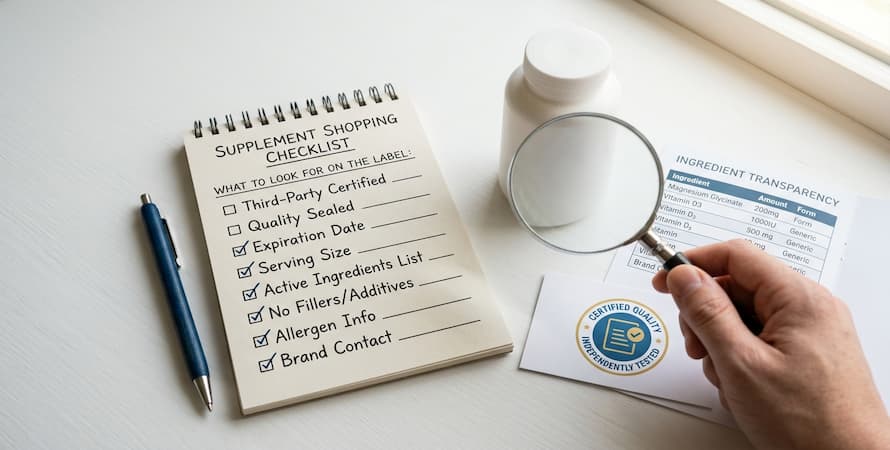
Shopping checklist: what to look for on the label
- Ingredient transparency: Full disclosure of active ingredients and per-serving amounts.
- Clinically validated forms: Examples include glucosamine sulfate, Meriva or C3-style curcumin complexes, standardized boswellia extracts, and hydrolyzed collagen peptides.
- Third-party verification: USP, NSF, or ConsumerLab seals or published COAs.
- Manufacturing standards: cGMP certification and clear contact information for the manufacturer.
- Return policy and customer support: Try-before-you-commit options reduce financial risk.
- Source declarations: Animal origin for glucosamine/collagen and allergen statements for shellfish, dairy, or gluten.
RELATED: Natural alternatives to ibuprofen for joint pain: do supplements actually work?
Costs and value: how to calculate price per effective dose
To compare value across products, calculate monthly cost at clinically studied dosing rather than per-bottle price. For example, if a collagen powder provides 20 servings at 10 g per serving and the effective dose is 10 g/day, one tub supplies 20 days—not a month. Divide the bottle price by the number of effective days and multiply for a 30-day cost. Do the same for capsules by converting pill count to recommended daily milligrams. Consider shipping, subscription discounts, and return policies in your calculation.
Monitoring outcomes: how to tell if a product is helping
Set specific, measurable goals before starting: less morning stiffness, fewer pain episodes during walking, better performance on a 30-yard carrying task, or decreased reliance on OTC analgesics. Keep a simple diary for 4–12 weeks tracking pain scores, function, medication use, and activity level. If no meaningful improvement occurs after an adequate trial (usually 8–12 weeks for many agents), consider stopping or switching interventions.
Frequently Asked Questions
Q: Are natural joint supplements effective for osteoarthritis?
Many show modest benefit. Evidence is strongest for glucosamine/chondroitin, collagen peptides, and bioavailable curcumin formulations, although individual responses vary.
Q: How long before I see results?
Expect anywhere from a few days (some curcumin users) to 12 weeks (glucosamine, collagen) depending on ingredient and dose.
Q: Can I take multiple supplements together?
Often yes, but consult a clinician for potential interactions—especially if you take anticoagulants or have complex medical conditions.
Q: Which supplement is best for sports recovery?
Hydrolyzed collagen peptides are widely used for tendon and ligament support; combine with vitamin C and targeted exercise for best results.
Q: Are there vegan options?
True collagen is animal-derived; vegan supplements instead prioritize botanicals and nutrient precursors such as vitamin C, proline-rich proteins, and anti-inflammatory herbs, but they do not provide direct collagen.
Putting it together: a practical starter plan
If you are new to supplements and want a practical, stepwise approach:
- Define your primary goal: pain reduction, mobility, or recovery.
- Choose a single well-studied agent aligned with that goal (glucosamine/chondroitin for OA, collagen for recovery, curcumin for inflammation).
- Confirm third-party testing and ingredient transparency on the label.
- Follow recommended dosing and track symptoms for 8–12 weeks.
- If partial benefit occurs, consider adding a complementary product (e.g., MSM or targeted botanicals) under medical supervision.
Who should see a clinician before starting supplements
- People on anticoagulants or antiplatelet medications.
- Individuals with liver disease or abnormal liver tests.
- Pregnant or breastfeeding people.
- Those with autoimmune conditions on immunosuppressive therapy.
- People with history of severe allergic reactions—confirm sources (shellfish, bovine, marine).
Conclusion: evidence-forward choices for better mobility
Natural joint supplements in 2026 are more sophisticated than in prior years: better delivery technologies, improved manufacturing transparency, and clearer clinical data for several agents. For many adults seeking improved mobility, a high-quality, multi-mechanistic combination like Flexoplex offers a convenient, research-aligned option. Single-ingredient choices remain important when you want to target a specific mechanism—glucosamine + chondroitin for osteoarthritis, collagen peptides for sports recovery, curcumin and boswellia for inflammatory control, and MSM for adjunctive support.
Whatever you choose, use the buyer’s checklist, prioritize third-party testing, set realistic timelines, and combine supplementation with exercise, weight management, and professional care as needed. Track outcomes, reassess after 8–12 weeks, and consult your clinician when you have medical conditions or take prescription medications. With informed choices and realistic expectations, natural supplements can be a useful tool to preserve mobility and support an active life.
References
- https://pmc.ncbi.nlm.nih.gov/articles/PMC3392795/
- https://pmc.ncbi.nlm.nih.gov/articles/PMC10058045/
- https://pmc.ncbi.nlm.nih.gov/articles/PMC6035477/
- https://pmc.ncbi.nlm.nih.gov/articles/PMC7368679/
- https://pmc.ncbi.nlm.nih.gov/articles/PMC10607963/