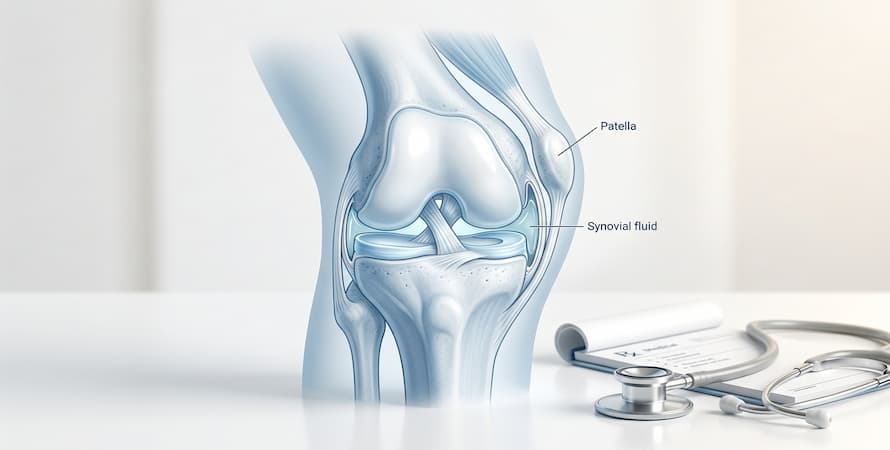


Ozempic® (semaglutide) is a medication commonly prescribed for type 2 diabetes and, increasingly, for weight management. It works by mimicking a naturally occurring hormone (GLP-1) that helps regulate blood sugar, appetite, and digestion. While Ozempic is generally well tolerated, some people report musculoskeletal symptoms, including joint pain, raising questions about whether the medication may be a contributing factor.
What is Ozempic and how does Ozempic work?
Ozempic is a brand name for semaglutide, a glucagon-like peptide-1 (GLP-1) receptor agonist. If you want to understand the safety profile and whether people ask: can ozempic cause joint pain, start by understanding how the medicine works. The active peptide mimics the naturally occurring hormone GLP-1, which helps regulate blood sugar by stimulating insulin release when glucose is high, slowing gastric emptying, and reducing appetite.
Semaglutide is modified to prolong its action; it binds to albumin in the bloodstream and resists rapid degradation so it can be given once weekly. Because of this design, patients often see meaningful changes in appetite and weight in addition to glycemic improvements. That is why people commonly ask two connected questions together: how does ozempic work and what ozempic side effects might emerge?
Understanding how does ozempic work also clarifies some indirect pathways to musculoskeletal symptoms. For example, the appetite-suppressing effects that derive from how does ozempic work can lead to rapid weight loss. Rapid weight loss may change biomechanics and physical activity, and that change can sometimes produce or unmask joint pain. So when clinicians consider the question can ozempic cause joint pain, they often separate direct drug effects from indirect consequences of how does ozempic work.
Common Ozempic side effects: what to expect
Ozempic® (semaglutide) is generally well tolerated, but like all medications, it can cause side effects. Most of these are mild to moderate and often occur when starting treatment or increasing the dose. Understanding what to expect can help people manage symptoms and continue therapy safely.
- Gastrointestinal Effects
The most common side effects of Ozempic are related to the digestive system. These include nausea, vomiting, diarrhea, constipation, and abdominal discomfort. These symptoms usually appear during the first few weeks of therapy and often improve over time as the body adjusts. Taking the medication with food or adjusting the timing of the dose can sometimes reduce these effects. - Appetite and Weight Changes
Because Ozempic slows gastric emptying and affects appetite, some people experience reduced hunger or early satiety, which contributes to weight loss. While often seen as a benefit, this effect may occasionally cause mild discomfort or changes in eating patterns. - Injection-Site Reactions
Some people may notice redness, itching, or mild swelling at the injection site. These reactions are typically temporary and resolve on their own. Rotating injection sites can help minimize irritation. - Other Possible Effects
Other less common side effects may include headache, fatigue, dizziness, or mild musculoskeletal discomfort. Severe side effects are rare but can include pancreatitis, gallbladder problems, kidney issues, or allergic reactions, and any unusual or persistent symptoms should be reported to a healthcare professional.
Managing Side Effects
Start at the recommended low dose and titrate slowly to minimize gastrointestinal symptoms.
Stay hydrated and maintain regular meals to reduce nausea or constipation.
Report persistent or severe side effects to your healthcare provider to adjust the dose or consider alternative treatments.

What clinical trials and safety data say about Ozempic
Clinical trials of Ozempic® (semaglutide), particularly the large SUSTAIN programme, show that the medication is effective for improving blood sugar control and promoting weight loss in people with type 2 diabetes. These studies also demonstrated cardiovascular benefits in high-risk patients, helping to establish Ozempic as a widely used and evidence-based therapy.
Across these trials, Ozempic was generally well tolerated. The most commonly reported side effects were gastrointestinal, including nausea, vomiting, diarrhoea, constipation, and abdominal discomfort. These symptoms were usually mild to moderate in severity, occurred most often during dose escalation, and tended to improve with continued use.
Joint pain and other musculoskeletal symptoms were not highlighted as common adverse events in clinical trial data. Rates of joint or muscle complaints were typically similar between people taking Ozempic and those receiving placebo or comparator treatments. This suggests that joint pain is not a typical or expected side effect based on controlled trial evidence.
However, post-marketing safety data—collected after Ozempic entered widespread clinical use—have included reports of joint pain, muscle aches, and stiffness in a small number of patients. These reports do not prove a direct cause-and-effect relationship but indicate that some individuals may experience musculoskeletal symptoms while on the medication.
Long-term and real-world safety monitoring has largely confirmed the trial findings, with no new major safety concerns emerging. Rare but important risks identified include gallbladder disease, pancreatitis, worsening diabetic retinopathy in susceptible individuals, and kidney problems related to dehydration. Regulatory agencies continue to support the use of Ozempic when prescribed appropriately.
Overall, clinical trials and safety data indicate that Ozempic is effective and generally safe, with gastrointestinal effects being the most common side effects. Joint pain is not a recognised frequent adverse effect, but new or persistent joint symptoms should be medically assessed to rule out other causes and to determine whether the medication may be contributing.
Mechanisms that could explain ‘can ozempic cause joint pain’
If ozempic does cause joint pain in some individuals, how might that happen? Here are plausible pathways and confounders that clinicians consider when patients ask: can ozempic cause joint pain?
- Immune-mediated inflammation: Some drugs trigger immune or inflammatory musculoskeletal symptoms. DPP-4 inhibitors had a signal for severe arthralgia in some patients. For GLP-1 receptor agonists like Ozempic, evidence for a direct immune trigger is limited, but case reports have raised the question: can ozempic cause joint and muscle pain via immune mechanisms? Current laboratory and animal data sometimes suggest anti-inflammatory effects of GLP-1 signaling, so the net picture is unclear.
- Biomechanical change with weight loss: One of the most consistent effects of Ozempic is weight loss, which results directly from how does ozempic work—reduced appetite and caloric intake. Rapid or substantial weight loss can alter biomechanics, muscle mass, and gait. Those changes may transiently worsen joint symptoms or unmask pre-existing joint disease. This is a frequent clinical explanation when patients ask: can ozempic cause joint pain?
- Increased activity after weight loss: Many people become more active after losing weight with Ozempic. Greater activity or new exercise regimens can produce overuse injuries or flare osteoarthritis, leading patients to attribute new pain to Ozempic rather than to a change in activity. When people ask: can ozempic cause joint and muscle pain, clinicians often evaluate whether increased activity is a contributor.
- Nutrition, hydration, and muscle mass: Appetite suppression can reduce intake of protein, vitamin D, calcium, or other micronutrients important to bone and muscle health. Over time, inadequate nutrition can increase the risk of musculoskeletal discomfort. Changes in hydration or electrolytes can cause muscle cramps that patients describe as joint or muscle pain, feeding the question: can ozempic cause joint and muscle pain?
- Coincidence and baseline conditions: Many patients using Ozempic are middle-aged or older and have comorbidities that predispose to pain (osteoarthritis, gout, inflammatory arthritis). The temporal relationship—pain starting soon after drug initiation—does not prove causality. For many patients, the medical evaluation reveals an alternative diagnosis while the drug is continued safely.
What to do if you experience joint pain while on Ozempic
If you or someone you care for experiences new or worsening joint pain after starting Ozempic, follow these practical steps which address the typical concerns behind the question can ozempic cause joint pain:
- Communicate with your clinician. Describe the timing of symptoms in relation to injections, the nature of the pain, whether there is swelling or morning stiffness, and any systemic symptoms (fever, rash). Clinicians will ask the same core question patients do: can ozempic cause joint pain in this case?
- Keep a symptom diary. Record when you take Ozempic, changes in activity or diet, and patterns in pain. Noting whether pain worsens after particular activities or after injections helps clinicians determine causality.
- Get targeted testing if indicated. Blood tests (inflammatory markers, uric acid, autoimmune serologies), imaging (X-rays or MRI), and rheumatology consults can identify inflammatory or structural causes. That helps answer whether Ozempic can cause joint and muscle pain in your specific situation.
- Consider conservative, nonpharmacologic care. Physical therapy, strength training, low-impact aerobic exercise (walking, cycling, pool therapy), and weight-bearing adjustments often relieve symptoms and pair well with the metabolic benefits of Ozempic. For those looking to support general joint health and mobility during this period, joint supplements such as Flexoplex may help reduce stiffness, improve mobility, and support overall joint function as a complementary addition to physical therapy and conservative care — always discuss any new supplement with your prescribing clinician before adding it alongside Ozempic.
- Review nutrition. Since Ozempic often reduces appetite, ensure adequate protein, vitamin D, calcium, and overall nutrition to support muscle and bone health.
- Use medications judiciously. Over-the-counter analgesics or short-term NSAIDs can help, but discuss risks if you have cardiovascular, renal, or GI disease. Your clinician may consider stopping or switching therapies if a clear drug-related inflammatory picture emerges.
- Shared decision-making about continuing therapy. If a clinician suspects a causal relationship between Ozempic and serious joint symptoms, alternatives exist. A different GLP-1 receptor agonist, dose adjustment, or a different class of medication may be considered depending on the balance of benefit and harm.
Balancing benefits and risks
When weighing whether to start or continue Ozempic, patients and clinicians must weigh benefits against risks. Ozempic is effective at improving blood sugar and producing weight loss; those benefits can reduce cardiovascular risk and improve quality of life. Common ozempic side effects like nausea are frequent but tend to abate over time. The question can ozempic cause joint pain is part of this risk–benefit conversation.
For many patients, the metabolic benefits will outweigh the uncertain risk of musculoskeletal complaints; for others—particularly those with new severe inflammatory symptoms—the balance may favor stopping or switching therapy. Individualized assessment and shared decision-making are the keys.

Practical tips to reduce the chance of musculoskeletal problems while taking Ozempic
If you start Ozempic and want to minimize the chance of joint pain or to address early symptoms, consider these practical steps related to how does ozempic work and known ozempic side effects:
- Ramp up physical activity gradually. If weight loss motivates more activity, build intensity slowly to avoid overuse injuries and new joint pain.
- Prioritize strength training, especially for muscles that support joints (quadriceps, hip abductors, core). Strong muscles buffer joint stress.
- Maintain adequate protein and micronutrients. Since how does ozempic work reduces appetite, plan meals to preserve muscle mass and bone health.
- Warm-up and stretch before exercise. That reduces injury risk.
- Monitor symptoms closely and report changes early. Early evaluation helps distinguish transient adaptation from inflammatory disease that might be drug-related.
Frequently Asked questions
Here are short responses to frequent patient questions that reflect clinical practice and evidence reviews on can ozempic cause joint pain:
Q: Is joint pain a common ozempic side effect?
A: No—joint pain is reported but not as common as gastrointestinal ozempic side effects.
Q: Can ozempic cause joint and muscle pain suddenly?
A: Some people report new-onset arthralgia or myalgia after starting Ozempic; clinicians assess for alternative causes and sometimes stop the drug if an inflammatory pattern is suspected.
Q: Should I stop Ozempic if I have joint pain?
A: Not automatically. Talk to your clinician. They will evaluate for other causes and may recommend conservative measures first; if symptoms are severe or suggest inflammation, stopping may be advised.
Q: Does how does ozempic work increase my risk for musculoskeletal issues?
A: Indirectly, yes—rapid weight loss and appetite changes related to how does ozempic work can alter biomechanics and nutrition, which can contribute to joint or muscle complaints.
Communicating with your healthcare team
When you ask your clinician can ozempic cause joint pain, bring concrete information: timing of symptoms, medication doses, other medicines, recent increases in activity, and dietary changes. If symptoms are new and severe, a prompt evaluation helps rule out inflammatory arthritis, gout, infection, or other causes. If symptoms are mild and likely due to adaptive biomechanics, conservative care and monitoring may be recommended while continuing treatment for metabolic benefits.
A documented shared decision—where the clinician explains known ozempic side effects and the reasoning for continued therapy or change—helps patients feel confident about next steps.
Long-term monitoring and follow-up
For patients on Ozempic, routine follow-up should include questions about common ozempic side effects and targeted queries about musculoskeletal symptoms. Early recognition of potential problems helps identify whether an individual is experiencing an expected adjustment (for example, mild aches with increased exercise) or something requiring further workup (for example, joint swelling, systemic symptoms, or progressive functional loss). Researchers continue tracking long-term safety to provide clearer answers to the persistent question: can ozempic cause joint pain?
Conclusion
Ozempic® (semaglutide) is a highly effective medication for managing type 2 diabetes and supporting weight loss, with well-documented benefits for blood sugar control, cardiovascular health, and appetite regulation. While most people tolerate it well, being aware of common side effects—particularly gastrointestinal symptoms—is important for managing expectations and ensuring adherence.
Joint pain and other musculoskeletal complaints are rarely reported and are not considered typical side effects, but any new or persistent symptoms should be discussed with a healthcare professional to rule out other causes and ensure safe treatment.
Overall, with proper monitoring, dose adjustments, and guidance from a healthcare provider, Ozempic can be used safely and effectively. Understanding potential side effects and how to manage them empowers patients to maximize the benefits of therapy while maintaining quality of life.