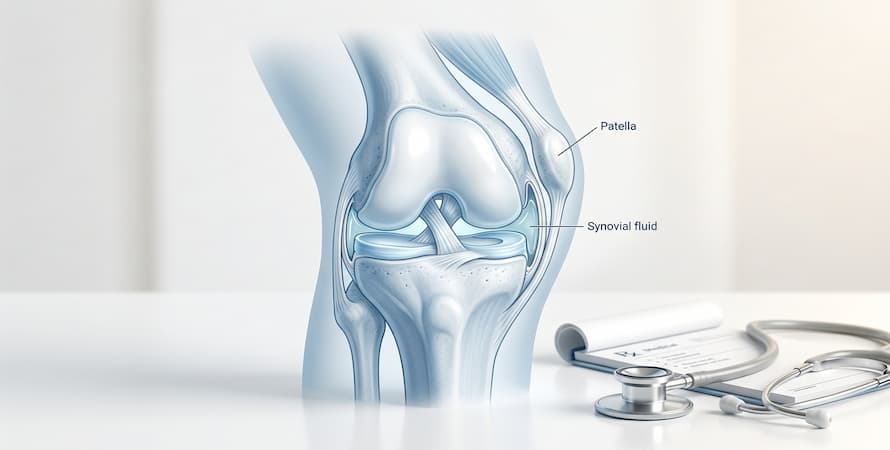


Fibromyalgia is a chronic condition known for causing widespread pain, extreme fatigue, and heightened sensitivity throughout the body. But one of the most common questions people ask is: Does fibromyalgia cause joint pain? While fibromyalgia doesn’t damage the joints the way arthritis does, many people living with the condition experience deep aches, stiffness, and discomfort that feel very similar to joint pain.
This can make daily movements—like getting out of bed, climbing stairs, or even holding objects—more challenging. Understanding why this pain occurs, how it differs from true joint disorders, and what triggers it can help individuals manage symptoms more effectively and improve their overall quality of life.
What is fibromyalgia—and how do people describe the pain?
Fibromyalgia is a chronic disorder best characterized by widespread musculoskeletal pain, persistent fatigue, sleep disturbance, cognitive challenges often called ‘fibro fog’, and heightened sensitivity to pressure and touch. People with fibromyalgia describe pain in many ways: burning, deep aching, pressure-like, shooting, or dull. A common report is that the pain feels like it’s coming from the joints—people ask, does fibromyalgia cause joint pain?
They worry that their knees, hands, or shoulders are being damaged. Clinically, fibromyalgia is primarily a central pain processing disorder: the brain and spinal cord amplify ordinary sensory signals into painful sensations. Because those painful sensations are experienced in muscles, connective tissues, and areas around joints, many people feel their joints hurt even when joint inflammation or structural damage is absent.
To be clear: the question does fibromyalgia cause joint pain is complicated. The short clinical answer is that fibromyalgia causes pain that often feels like joint pain, but it usually does not cause the kind of inflammation or structural joint damage seen in arthritis. Nonetheless, the everyday experience of people living with fibromyalgia includes frequent statements like, ‘I have joint aches’ and ‘my hands hurt’ which leads many to ask does fibromyalgia cause joint pain in hands and other locations.
How doctors diagnose fibromyalgia and distinguish it from arthritis
Clinicians diagnose fibromyalgia using a combination of history, physical exam, symptom criteria, and exclusion of other causes. The American College of Rheumatology criteria emphasize widespread pain across both sides of the body and above and below the waist, alongside symptoms like fatigue and sleep disturbance. When a patient asks does fibromyalgia cause joint pain, the doctor will often look for specific signs of inflammatory or degenerative joint disease: swelling, warmth, decreased range of motion, morning stiffness that improves with activity, elevated inflammatory markers on blood tests, or radiographic changes on imaging.
Because fibromyalgia frequently coexists with other conditions, answering the question does fibromyalgia cause joint pain requires careful evaluation. A patient may have both fibromyalgia and osteoarthritis or rheumatoid arthritis. In those cases, true joint inflammation or damage may be present while fibromyalgia amplifies the perceived severity of pain. Clinicians therefore order targeted blood tests—like ESR, CRP, rheumatoid factor, and anti-CCP—plus imaging when indicated to determine whether arthritis is present. This thorough approach helps clarify whether fibromyalgia alone explains symptoms or whether a combined diagnosis answers the question does fibromyalgia cause joint pain in hands or other joints.

How fibromyalgia-related pain feels vs. true joint pathology
- Fibromyalgia-related pain: widespread, migratory, often described as burning, deep aching, or pressure-like. Pain may be disproportionate to exam findings. It commonly coexists with fatigue, sleep disruption, and cognitive symptoms that are hallmark fibromyalgia symptoms. Many patients wonder does fibromyalgia cause joint pain because the pain they experience is localized near joints and can feel indistinguishable from joint pain.
- Arthritic joint pain: more focal, often involving specific joints with objective signs like swelling, warmth, reduced range of motion, and radiographic changes over time. Inflammatory arthritis typically produces morning stiffness that improves with activity. In osteoarthritis the pain often worsens with use and may be associated with crepitus and structural changes visible on X-ray.
Understanding these differences is essential to answering the central question does fibromyalgia cause joint pain: fibromyalgia tends to produce pain without objective joint inflammation, while true arthritis produces observable joint pathology. Yet patients’ subjective experiences often blur that distinction, so careful assessment is needed.
Why people with fibromyalgia report “joint pain”
There are several interconnected reasons people with fibromyalgia report joint pain and ask does fibromyalgia cause joint pain or does fibromyalgia cause joint pain in hands specifically:
- Central sensitization: The nervous system becomes sensitized and amplifies signals from muscles and joints. Normal sensory input that would be non-painful becomes painful or is perceived as increased pain. This mechanism explains why fibromyalgia pain can feel joint-based even when no joint disease is present, and why people frequently ask does fibromyalgia cause joint pain.
- Muscle stiffness and myofascial trigger points: Tight muscles around joints can create a sensation of joint pain. People say their knees or hands ache, so the natural question is does fibromyalgia cause joint pain in hands or other joints.
- Poor sleep and fatigue: Sleep disturbance increases pain sensitivity. When patients describe widespread pain, including joint-like pain, clinicians consider whether fibromyalgia and its characteristic fibromyalgia symptoms are driving the experience.
- Coexisting joint disorders: Many people with fibromyalgia also have osteoarthritis, inflammatory arthritis, or autoimmune conditions. In those cases, fibromyalgia can magnify true joint pain, making the combined symptom picture worse and raising the question does fibromyalgia cause joint pain or simply worsen real joint disease?
- Psychological and social factors: Stress, anxiety, depression, and social factors can amplify pain perception. This does not mean the pain is imagined—rather these factors modulate central pain processing and contribute to the overall symptom burden of fibromyalgia, which often includes joint-like pain.
Does fibromyalgia cause joint pain in the hands?
Many people specifically ask does fibromyalgia cause joint pain in hands because hand pain and stiffness are common and can interfere with daily tasks. The short answer: fibromyalgia can make your hands feel painful, stiff, and swollen even if tests show no inflammatory arthritis. Patients commonly report hand numbness, tingling, stiffness on waking, and intermittent swelling sensations. These are consistent with central pain amplification and soft tissue sensitivity rather than true synovial inflammation or erosive damage.
However, because hand pain can also signal rheumatoid arthritis, psoriatic arthritis, lupus, or carpal tunnel syndrome, clinicians evaluate carefully. If a person reports persistent hand swelling, morning stiffness that lasts more than an hour, or progressive joint deformity, physicians pursue targeted testing and early rheumatology referral to determine whether inflammatory arthritis is present in addition to fibromyalgia.
So while the experience answers for many is yes—does fibromyalgia cause joint pain in hands?—the clinical nuance is that fibromyalgia causes sensations of hand pain without the objective inflammatory markers that define hand joint disease. Many patients therefore have both: subjective fibromyalgia pain in the hands plus objective arthritis in some patients.
Treatment overview: multimodal care for pain that feels like joint pain
Because the answer to does fibromyalgia cause joint pain points to central mechanisms and symptom amplification, the most effective strategies are multimodal: a blend of medications that alter pain processing, structured exercise, sleep optimization, psychological therapies, and targeted use of supplements. Below we outline key evidence-based options along with how and why they are used.
Exercise and physical therapies
Exercise is a cornerstone of fibromyalgia care. Aerobic activity, graded walking programs, aquatic exercise, and progressive resistance training reduce pain and improve function and are repeatedly cited in clinical guidelines. For people who ask does fibromyalgia cause joint pain, a core message is that gentle, consistent movement helps reduce stiffness and pain that feels joint-based. Physical therapists can provide individualized programs that respect pain limits and reduce flare risk.
Psychological therapies and education
Cognitive behavioral therapy (CBT), pain coping skills training, and acceptance-based approaches help patients manage pain, improve sleep, and regain function. Education about the nature of fibromyalgia—explaining central sensitization and clarifying whether fibromyalgia causes joint pain—reduces fear and catastrophic thinking, which in turn reduces disability.
Supplements and complementary approaches

Supplements in detail: what people use and why
Because the question does fibromyalgia cause joint pain motivates many to try supplements, this section outlines popular choices, how they are produced, and the evidence for use in fibromyalgia-related joint-like pain.
Magnesium
Why people try it: Magnesium plays a role in nerve and muscle function and may modulate NMDA receptors involved in pain processing. Many patients ask does fibromyalgia cause joint pain and then consider magnesium to reduce muscle stiffness and perceived joint ache.
Forms and manufacturing: Magnesium supplements come as citrate, glycinate, oxide, and other salts. Products are manufactured under dietary supplement GMP; quality varies. Look for third-party verification.
Evidence: Small trials and anecdotal reports suggest magnesium may improve pain and sleep in some people with fibromyalgia, but larger trials are needed. If you have kidney disease, consult a clinician before taking magnesium.
Vitamin D
Why people try it: Vitamin D deficiency is associated with musculoskeletal pain in some observational studies. Because many people with fibromyalgia complain of aching that feels joint-based, clinicians often check vitamin D levels and supplement deficiency.
Evidence: Randomized trial data are mixed. Some patients experience improved pain after correcting deficiency, but routine supplementation in people with normal levels has not consistently shown benefit. Excessive vitamin D dosing can cause harm, so dosing should be guided by labs.
Omega-3 fatty acids (fish oil)
Why people try it: EPA and DHA have anti-inflammatory properties and may reduce overall pain sensitivity. For patients asking does fibromyalgia cause joint pain, omega-3s may help if inflammatory mechanisms or coexisting arthritis are present.
Manufacturing and quality: Fish oil supplements are made by extracting oils from fish and purifying them; quality depends on contaminant testing and EPA/DHA concentration. Look for brands that test for heavy metals and oxidation.
Evidence: Limited trial data in fibromyalgia specifically; some small studies show promise. For people on anticoagulants, discuss bleeding risk with a clinician before starting fish oil at high doses.
Melatonin
Why people try it: Melatonin regulates sleep. Because poor sleep worsens fibromyalgia symptoms, many people ask does fibromyalgia cause joint pain and then address sleep with melatonin to reduce nighttime pain and morning stiffness.
Evidence: Small trials suggest melatonin may improve sleep and indirectly reduce pain. Use short-term and discuss with your clinician if you take other sedatives or antidepressants.
Other supplements
Coenzyme Q10, SAMe, 5-HTP, and nutraceutical blends are sometimes used but have mixed evidence. Low-dose naltrexone has shown promise in small trials but requires prescription and supervision. Probiotics and dietary approaches (e.g., low FODMAP for those with IBS) are being studied; results are preliminary.
Risks, precautions, and practical safety advice
Whether the question is does fibromyalgia cause joint pain or does fibromyalgia cause joint pain in hands, safety matters. Consider these key points:
- Medications carry side effects: antidepressants and anticonvulsants can cause nausea, dizziness, weight changes, sedation, and other effects. Discuss potential interactions and monitoring with your clinician.
- Supplements vary in quality: choose third-party-tested brands and review potential interactions. For example, fish oil in high doses can alter bleeding risk; magnesium can interact with some antibiotics and drugs for blood pressure; vitamin D should be dosed appropriately based on lab results.
- Misdiagnosis risk: labeling every ache as fibromyalgia can delay identification of treatable joint disease. Conversely, attributing all pain to arthritis when fibromyalgia is present can lead to unnecessary tests and treatments. Accurate diagnosis is essential to answer the practical question does fibromyalgia cause joint pain for any individual.
- Cost and emotional toll: chasing unproven therapies is costly and can be disheartening. Focus on sustainable, evidence-based strategies and track outcomes objectively.
Frequently asked questions
Q: Does fibromyalgia cause joint pain that looks like swelling?
A: Many people report sensations of swelling or visible puffiness despite the absence of true synovial inflammation. Fibromyalgia can cause subjective swelling sensations and soft tissue tenderness. If clear, persistent swelling is present, clinicians evaluate for arthritis or other causes.
Q: Can fibromyalgia cause joint deformity?
A: No. Fibromyalgia does not cause erosive joint damage or deformity. If deformity or structural progression occurs, another joint disease is likely present and requires evaluation.
Q: Is hand pain from fibromyalgia different from rheumatoid arthritis hand pain?
A: Yes. Rheumatoid arthritis typically produces objective signs: prolonged morning stiffness, joint swelling, warmth, elevated inflammatory markers, erosions on X-ray, and specific antibodies in many cases. Fibromyalgia hand pain is often symmetrical, non-erosive, and associated with generalized pain and sleep disturbance. Still, overlap can occur and warrants careful assessment.
Q: Will anti-inflammatory drugs help if I have fibromyalgia-related joint pain?
A: NSAIDs may help short-term for localized pain, especially if coexisting osteoarthritis or an inflammatory condition is present. For central pain due to fibromyalgia, NSAIDs are usually less effective than exercise, CBT, or medications that modify pain processing.
Conclusion
While fibromyalgia does not damage the joints themselves, the condition can create pain that feels joint-related—deep aching, stiffness, and sensitivity that can easily be mistaken for true joint disorders. Understanding this distinction helps people seek the right types of support, whether through lifestyle changes, medical guidance, or carefully chosen supplements.
Options like magnesium, vitamin D, omega-3s, melatonin, coenzyme Q10, and combination formulas such as Flexoplex Joint Support Supplement may offer relief for some individuals, though evidence remains mixed and varies widely by product and person. Because fibromyalgia affects everyone differently, a personalized, clinician-guided approach is essential. By combining informed choices, consistent self-care, and professional support, many people find meaningful ways to reduce discomfort and improve daily quality of life.