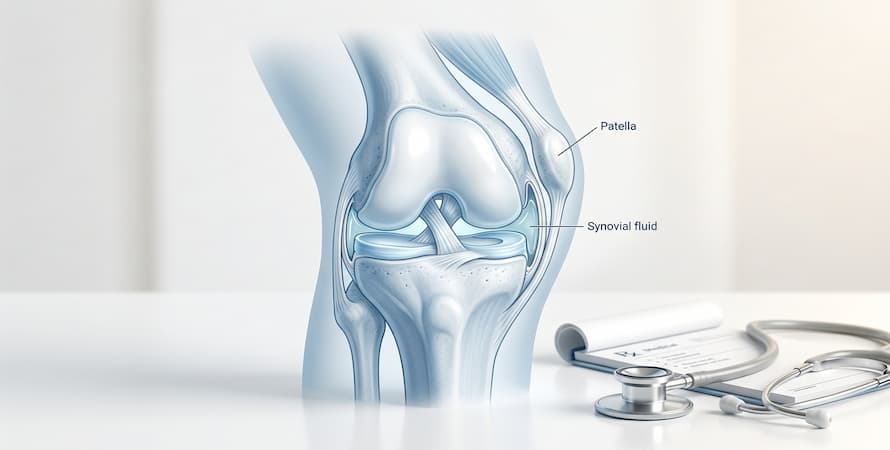


Hip joint pain while walking is a common complaint that can range from a mild ache to sharp, debilitating discomfort. It often affects mobility, daily activities, and quality of life, making even simple movements like climbing stairs or standing from a chair challenging. The pain may originate from the hip joint itself, surrounding muscles, ligaments, or tendons, and can be caused by conditions such as osteoarthritis, bursitis, tendinitis, labral tears, or injuries.
Age, repetitive strain, overuse, or biomechanical issues can also contribute. Recognizing the type, location, and triggers of hip pain is essential for effective management, as early intervention can improve mobility, reduce discomfort, and prevent further joint damage.
Why hip joint pain when walking is a common complaint
Walking is a repetitive, weight-bearing activity that places stress on multiple joints, muscles, and soft tissues. When the hip structures—cartilage, labrum, tendons, bursae, or surrounding muscles—are compromised, the result is often hip joint pain when walking. For many people, initial symptoms are subtle: stiffness in the morning, aching after prolonged sitting, or a gradual increase in discomfort during activity. Over weeks to months, these symptoms can evolve into pain in hip joint when walking even short distances or a sharp pain in hip joint when walking that restricts mobility.
The hip is a deep, ball-and-socket joint that transfers forces between the pelvis and the lower limb. It must balance stability for weight-bearing activities and mobility for daily functions. Any condition that disrupts that balance can produce hip joint pain when walking. In clinical practice, patients frequently describe pain in hip joint when walking, often localizing it to the groin, lateral hip, or buttock; careful evaluation distinguishes between sources such as intra-articular hip arthritis and extra-articular problems like trochanteric bursitis, which can present as right hip joint pain when walking or left-sided discomfort depending on which side is affected.

Common causes of hip joint pain when walking
Several conditions commonly cause hip joint pain when walking:
- Osteoarthritis (OA): Degenerative loss of cartilage is the most frequent cause of hip joint pain when walking among older adults. OA typically produces a deep ache in the groin or front of the hip that worsens with weight-bearing and walking over uneven surfaces. Patients often report morning stiffness and a gradual reduction in walking tolerance.
- Bursitis: Trochanteric bursitis causes lateral hip pain that flares up with walking, especially when pressure is applied by lying on the affected side. This type of hip pain when walking can be sharp during certain movements, and people sometimes report a sharp pain in hip joint when walking and turning or when rising from a chair.
- Tendinopathy: Overuse of the gluteal or adductor tendons leads to pain that is worse with walking or climbing stairs. Tendon problems can generate localized tenderness and pain in hip joint when walking longer distances.
- Labral tears: A torn acetabular labrum may present with mechanical symptoms—catching, clicking, or a sharp pain in hip joint when walking or pivoting. Athletes and people with hip impingement anatomy are more likely to develop labral injuries.
- Referred pain from the lumbar spine: Disc degeneration or nerve compression in the lower back can cause pain that is perceived as hip pain when walking. Distinguishing true joint pain from referred pain is critical, particularly when patients describe pain in hip joint when walking that radiates below the knee.
- Fracture or avascular necrosis: In older adults after a fall, hip fracture causes sudden inability to bear weight and severe hip joint pain when walking (or attempting to). Avascular necrosis of the femoral head, which can arise from steroid use or heavy alcohol intake, causes progressive right hip joint pain when walking and may require urgent specialist care.
How Walking Habits May Cause or Worsen Hip Pain
Walking is a coordinated activity that depends on joint cartilage, muscles, tendons, and nervous system control. When one component is impaired, walking mechanics change and hip joint pain when walking often worsens. For example, weakened hip abductors cause a Trendelenburg gait—pelvic drop on the unaffected side—leading to increased shear forces across the hip and more pain in hip joint when walking. Carrying a heavy bag on the same side as an already painful hip can intensify symptoms, converting a dull ache into a sharp pain in hip joint when walking.
Uneven terrain, hills, or speed increases the hip’s workload and may reveal problems that are not apparent on flat, steady ground. Repetitive microtrauma over time can compound cartilage wear and tendon degeneration, turning occasional discomfort into persistent right hip joint pain when walking. That’s why clinicians emphasize therapy to restore muscle strength and improve gait patterns as an early intervention when patients complain of hip joint pain when walking.
Clinical evaluation: Diagnosing hip joint pain when walking
Accurate diagnosis begins with a careful history and physical exam. When patients report hip joint pain when walking, clinicians ask about the onset, pattern, aggravating and relieving factors, and exact location. Phrases like “pain in hip joint when walking increases after 10 minutes” or “sharp pain in hip joint when walking and pivoting” help narrow the possibilities.
Key elements of the evaluation include:
- History: When did the hip joint pain when walking start? Is it constant or intermittent? Does it wake you at night? Is there a history of trauma, steroid use, or alcohol abuse that raises concern for avascular necrosis?
- Physical examination: Observation of gait, palpation for tenderness over the greater trochanter or groin, assessment of range of motion, and special tests such as the FADIR (flexion, adduction, internal rotation) test can indicate intra-articular pathology. Reproducing the patient’s description—like a sharp pain in hip joint when walking up stairs—helps localize the problem.
- Imaging: X-rays are first-line to assess joint space narrowing, osteophytes, or fracture. MRI offers detailed views of soft tissues (labrum, tendons, bursae) and early avascular necrosis. Ultrasound is useful for dynamic assessment of bursitis and can guide injections.
- Lab tests: If inflammatory arthritis is suspected, blood tests (ESR, CRP, RF, anti-CCP) help support the diagnosis; for infection, joint aspiration and culture may be necessary.
Correctly identifying whether the source is inside the joint or external to it is essential because treatment differs. Many people with pain in hip joint when walking improve dramatically with targeted physical therapy if extra-articular sources like tendinopathy or bursitis are the cause; intra-articular conditions may require different interventions, injections, or ultimately surgery.
Non-surgical treatments for hip joint pain when walking
A stepwise approach often works best when addressing hip joint pain when walking. Most people should try conservative measures first unless red flags (fracture, infection) are present.
- Activity modification: Reducing walking distance, avoiding hills, and using assistive devices like a cane on the opposite side can decrease forces across the hip and reduce pain in hip joint when walking.
- Physical therapy (PT): A primary evidence-based approach. Strengthening hip abductors, extensors and core muscles improves gait mechanics and reduces symptomatic hip joint pain when walking. Balance, flexibility, and graded walking programs restore function and prevent flare-ups.
- Weight management: Losing excess weight reduces mechanical load; small losses in body weight can translate into appreciable reductions in joint force during walking and decreases in pain in hip joint when walking.
- Footwear and orthotics: Supportive shoes and custom orthotics may improve alignment and reduce compensatory forces that cause hip joint pain when walking, particularly when lower limb alignment contributes to symptoms.
- Medications: Over-the-counter NSAIDs (ibuprofen, naproxen) and acetaminophen reduce pain and inflammation short-term. For people experiencing a sharp pain in hip joint when walking that limits activity, short courses can be helpful, but long-term NSAID use has risks that should be discussed with a clinician.
- Injections: Corticosteroid injections into the hip joint or bursa can provide short-term relief for severe pain in hip joint when walking and aid participation in rehabilitation. Hyaluronic acid injections are less consistently effective for the hip than the knee; evidence is mixed.
Patients often ask whether walking should be stopped entirely if they have hip joint pain when walking. In most cases, complete immobility is not recommended because gentle movement supports joint health and muscle conditioning. Instead, graded activity and PT-guided programs are preferred to maintain mobility while minimizing pain in hip joint when walking.
When surgery becomes the right option
When conservative care does not restore walking function and quality of life, surgical options can be life-changing. For advanced osteoarthritis with persistent hip joint pain when walking despite therapy, total hip replacement is a highly effective operation that reliably reduces pain and improves walking. Outcomes for total hip arthroplasty have improved with modern implants and rehabilitation protocols, and many patients return to walking, recreational activities, and daily chores with significantly less pain in hip joint when walking.
Other surgical options include arthroscopic procedures for labral tears or impingement in younger patients whose primary symptom is a sharp pain in hip joint when walking during specific movements. Surgeons carefully select candidates to ensure the best outcomes and to minimize the risk of persistent right hip joint pain when walking after surgery.
Supplements and topical products: what they are and how they’re made
Supplements and topical products are popular for people seeking non-prescription ways to manage hip joint pain when walking. Understanding what these products contain and why they are used helps consumers choose wisely. Below is an overview of common supplements, how they’re made, and the rationale behind their use for pain in hip joint when walking.

- Glucosamine: A naturally occurring amino sugar involved in cartilage synthesis. Commercial glucosamine supplements are often made from shellfish chitin or synthesized chemically. People with hip joint pain when walking take glucosamine to supply building blocks for cartilage and help reduce symptoms. Flexoplex, a popular joint support supplement, contains glucosamine along with other supportive ingredients designed to promote joint health, improve mobility, and ease discomfort during activities like walking.
- Chondroitin sulfate: Extracted from animal cartilage (bovine, porcine, or shark), chondroitin is another structural molecule in cartilage used in combination with glucosamine to address pain in hip joint when walking.
- MSM (methylsulfonylmethane): A synthetic organosulfur compound promoted for its anti-inflammatory properties and used by some people with hip joint pain when walking.
- Turmeric/curcumin: Extracts of turmeric concentrate curcumin, an anti-inflammatory compound. Many preparations include piperine (black pepper extract) to enhance absorption. Curcumin is chosen by people with pain in hip joint when walking for its proposed anti-inflammatory effects.
- Omega-3 fish oil: Fish oil extracts rich in EPA and DHA are marketed for systemic anti-inflammatory effects that may reduce pain in hip joint when walking for some people.
- Collagen peptides: Hydrolyzed collagen from bovine or marine sources is promoted to support connective tissue and joint health; some users report improvements in joint pain when walking.
- Topical analgesics: Creams and gels containing menthol, capsaicin, or topical NSAIDs (e.g., diclofenac gel) provide local relief for hip joint pain when walking with lower systemic exposure than oral drugs.
- Hyaluronic acid injections: These are not oral supplements but are manufactured via bacterial fermentation or extracted from animal sources and injected into the joint to improve lubrication and reduce pain in hip joint when walking for some people.
Safety, interactions, and limitations of supplements for hip joint pain when walking
“Natural” does not mean risk-free. People with hip joint pain when walking should be aware of potential downsides of supplements:
- Variability and quality control: Dietary supplements in the U.S. are not regulated as rigorously as prescription drugs. Product potency, purity, and labeling accuracy may vary. Choosing brands tested by third parties (USP, NSF, ConsumerLab) reduces some risk.
- Allergies and source concerns: Glucosamine derived from shellfish chitin may trigger reactions in people with shellfish allergies. Chondroitin sourced from bovine or porcine cartilage raises concerns for those avoiding certain animal products. If you’re experiencing right hip joint pain when walking and considering glucosamine, check the source.
- Drug interactions: Turmeric/curcumin and fish oil can affect blood clotting and interact with anticoagulants; glucosamine has been reported to interact with warfarin in rare cases. Always consult your prescribing clinician or pharmacist before starting supplements if you take medications for chronic conditions.
- Side effects: Gastrointestinal upset, heartburn, and headaches are common. Topical agents may cause skin reactions.
- Cost vs. benefit: Supplements can be costly, and benefits may be modest. Relying solely on supplements while delaying physical therapy or weight loss can prolong disability from hip joint pain when walking.
Choosing supplements wisely for hip joint pain when walking
If you decide to try supplements for hip joint pain when walking, follow practical steps to reduce risk and maximize potential benefit:
- Prioritize diagnosis and evidence-based treatments first: See a clinician to identify the cause of pain in hip joint when walking. PT and weight management are first-line interventions with strong evidence.
- Look for third-party testing: Choose supplements verified by USP, NSF International, or ConsumerLab to ensure product potency and purity. Quality control matters when you’re investing time and money to manage hip joint pain when walking.
- Read labels closely: Check active ingredient, dose per serving, and serving frequency. Avoid proprietary blends that conceal actual amounts of glucosamine, chondroitin, or curcumin, which makes it difficult to match doses used in trials for hip joint pain when walking.
- Monitor effects objectively: Track changes in pain intensity, walking distance, and activities of daily living. Many supplements require 6–12 weeks before benefits appear, so give them time but be ready to stop if no improvement occurs in that period.
- Watch for interactions and side effects: If you take anticoagulants, diabetes medicines, or other chronic medications, check with your clinician or pharmacist before starting supplements to avoid complications like increased bleeding or altered drug effects that could worsen conditions causing hip joint pain when walking.
- Use topical options for local relief: For focal lateral hip pain or trochanteric bursitis causing pain in hip joint when walking, topical NSAIDs can be effective with minimal systemic exposure.
- Prefer whole-food anti-inflammatory choices: Diets rich in fatty fish, colorful fruits and vegetables, nuts, and olive oil support overall health and may complement supplement strategies for people with hip joint pain when walking.

Practical rehabilitation strategies to reduce hip joint pain when walking
A focused rehabilitation plan centered on graded activity, strengthening, and mobility can dramatically reduce hip joint pain when walking for many people. Key elements include:
- Targeted strengthening: Exercises that strengthen the hip abductors, gluteus maximus, and core reduce abnormal hip mechanics and lessen pain in hip joint when walking. Simple progressions—side-lying leg lifts, clamshells, bridging, and resisted band work—are commonly prescribed.
- Mobility and flexibility: Gentle hip flexor and hamstring stretching improves range of motion and reduces compensatory patterns that exacerbate hip joint pain when walking.
- Gait retraining: Physical therapists analyze walking patterns and correct deviations that increase hip stress. Small changes in stride length, cadence, and posture can reduce pain in hip joint when walking.
- Gradual aerobic conditioning: Low-impact activities—swimming, cycling, or using an elliptical—maintain cardiovascular fitness and muscle endurance while minimizing aggravation of hip joint pain when walking.
- Pain flare management: During acute increases in pain, short-term reduced activity, icing, and medication as directed by a clinician can allow participation in rehabilitation to resume earlier.
When to seek urgent care for hip joint pain when walking
While most hip joint pain when walking develops gradually, certain signs warrant prompt medical attention:
- Sudden inability to bear weight or walk after a fall or injury
- Severe, rapidly worsening right hip joint pain when walking or pain associated with fever and chills (possible infection)
- Symptoms of nerve compromise—numbness, weakness, or loss of bowel or bladder control accompanying pain in hip joint when walking
In these situations, emergency evaluation is appropriate to rule out fracture, septic arthritis, or neurological emergencies that can cause pain in hip joint when walking and require urgent treatment.
Practical daily strategies to manage hip joint pain when walking
Simple, practical changes often reduce the impact of hip joint pain when walking on daily life:
- Use a supportive shoe with a cushioned sole to reduce joint impact when walking.
- Carry loads evenly or use a backpack to avoid unilateral stress that can cause right hip joint pain when walking if you habitually carry weight on one side.
- Plan walking routes with gradual distance increases and avoid hills initially if you experience pain in hip joint when walking on inclines.
- Take rest breaks during longer walks and perform brief hip-strengthening or stretching pauses to prevent escalation from dull ache to sharp pain in hip joint when walking.
Conclusion
Hip joint pain when walking is a common and often treatable problem. Determining the cause—whether it is osteoarthritis, bursitis, tendinopathy, labral injury, or referred pain from the spine—is the first critical step. Evidence-based treatments focus on physical therapy, weight management, activity modification, and targeted medications or injections. Supplements and topical products can be useful adjuncts for some people with pain in hip joint when walking, but their benefits are generally modest and variable.
Choosing reputable supplement brands, checking for interactions with other medications, and maintaining realistic expectations about results are essential. Whether the pain is a dull ache or a sharp pain in hip joint when walking, most people can improve walking tolerance with a tailored combination of diagnosis, rehabilitation, lifestyle changes, and selective use of medications or injections. For persistent, severe right hip joint pain when walking, surgical options—when appropriate—offer high rates of pain relief and restored mobility.