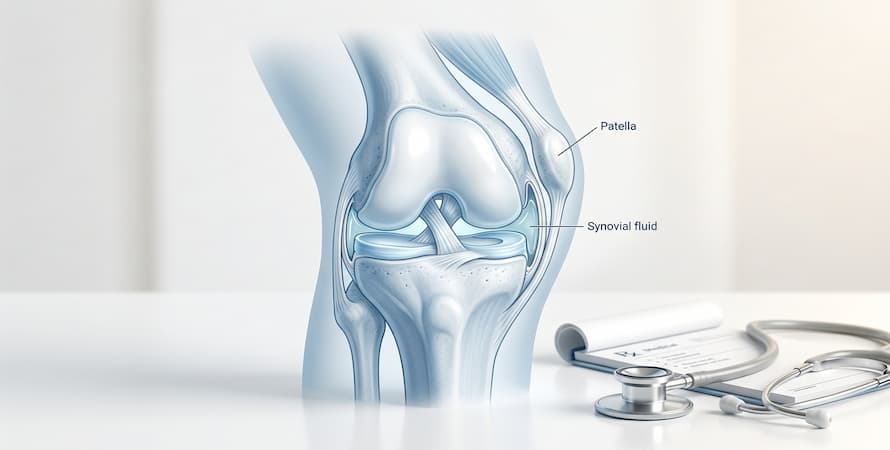

What Is Joint Pain?
Our bodies consist of muscles and bones and many other things. Our joints are what connect one bone to the next. Joints are what help us move – and when we damage our joints, or they become diseased, some of us know only too well the kind of pain it causes. For some, it’s so crippling that it calls for joint pain treatment.
Many types of medical conditions lead to aching joints. One is osteoarthritis; another is rheumatoid arthritis. Other ones are gout, bursitis, sprains, strains, etc. Joint pain is not a rare condition among people; it is very common.
One of the most common joint complaints is knee pain, then shoulder and hip pain. It can affect any part of your body, even your feet, ankles, and hands. Some days the pain seems mild, and on other days, it can be pretty debilitating. Sometimes it comes and stays for a couple of weeks. For others, it can carry on from weeks to months – that’s when it’s called chronic pain.
It’s comforting for those who suffer from debilitating pain to know that there are medications, therapies, and joint pain treatment that can help.
Factors That Lead To Joint Pain
You might get surprised to realize just what causes joint pain. What you do each day can make a difference in the future on how your joints will function and feel:
- Repetitive habits: Like working on a computer a lot or texting non-stop, dicing food, etc., it’s repeating the same motion over and over again. This can tax the larger joints and even the smaller members, like your thumbs.
- Sedentary lifestyle: Everyone needs to move and move and move; don’t sit still for too long because when you do, you actually can make your muscles tired, straining your cartilage and joints, and preventing proper blood flow.
- Carrying heavy things over time: It can either alter your posture or strain the muscles in your neck, pressing down on your shoulder joints and this causes joint pain.
- Ignoring your joints: If your joints have been sore for about a week, don’t just leave them. Your body is talking to you. It might be a sign of a more serious medical condition.
- Over exercising: Exercise can promote proper blood circulation, and encourage better lung function. However, strenuous exercise that is done routinely may impact your health negatively. Soreness and sharp pain that lasts for a few hours is probably a sign you are overdoing it.
- Insufficient vitamin D and calcium: Calcium and vitamin D are essential for bone health. Not getting enough of these may lead to worn cartilage and bone damage and fractures.
- Not getting enough sleep: Insufficient sleep weakens your body, especially your major organs, to rejuvenate and function properly the next day.
- Gaining extra weight: The heavier you are, the more pressure you put on your joints. This causes joint pain, particularly in the knees, hips, and spine.
- Smoking: Nicotine constricts blood vessels that supply blood to your joints. Those who smoke are at higher risk for joint and spine problems, which can occur as early as your 30s.

Lifestyle Modifications for Joint Pain
- Manage your weight: That means watching what you eat because extra weight puts extra pressure on your joints.
- Start exercising: Exercising at least 15 or 30 minutes a day keeps your joints flexible.
- Use hot and cold therapies: They relieve pain and inflammation[1]. Try acupuncture. It’s a fantastic joint pain treatment. It’s when practitioners insert small thin needles into your skin at the different points of the body. Traditional Chinese Medicine believes that acupuncture works by balancing your energy in the body, stimulating the nerves, tissues, and muscles. The American College of Rheumatology, a group for doctors who specialize in arthritis, approves acupuncture for the treatment of joint pain.
- Meditation: Meditation techniques take away stress, and stress promotes inflammation and pain in the body.
- Follow a healthy diet: Diet does play a huge role in making a difference in joint pain problems. Let’s put it this way; when you consume carbs, processed foods, sweets, sodas, and bad oils, you’re causing your body to get inflamed. There is research that proves how eating foods with plenty of antioxidants can help with inflammation. These include foods like fruit, veggies, nuts, red wine, dark chocolate, and omega-3 rich foods. A plant-based diet offers antioxidants[2] to the body, which is superb for reducing inflammation because free radicals in the body get eliminated.
- Turmeric: Research suggests it can reduce inflammation and joint pain. It can certainly spice up your life!
- Supplements go a long way: Some are devil’s claw, ginkgo, glucosamine, chondroitin, and others. Talk to your doctor before trying this joint pain treatment because some supplements can cause side effects if mixed with other drugs.
Anti-Inflammatory Diet
What you eat has a direct and measurable impact on joint inflammation. Research consistently shows that certain dietary patterns — particularly the Mediterranean diet — are associated with lower levels of systemic inflammation and reduced joint pain severity. The core principle is straightforward: minimize foods that drive inflammation (refined carbohydrates, processed meats, seed oils, excess sugar and alcohol) and increase foods that support the body’s natural anti-inflammatory pathways.
Foods with the strongest evidence for joint health support include fatty fish rich in omega-3s (salmon, mackerel, sardines), leafy green vegetables, berries and other polyphenol-rich fruits, extra virgin olive oil, nuts and seeds, and legumes. Conversely, a diet high in refined sugars has been shown in multiple studies to promote inflammatory cytokine production — making dietary change one of the most impactful and cost-free interventions available to people with chronic joint pain.
Turmeric (curcumin) deserves specific mention. Multiple randomized controlled trials have found curcumin supplementation produces meaningful improvements in joint pain and stiffness — in some trials performing comparably to low-dose NSAIDs for osteoarthritis of the knee, without the gastrointestinal side effect burden.
Weight Management
For every pound of excess body weight, the knee joints absorb approximately four additional pounds of compressive force during walking and six pounds during stair climbing. For someone carrying 20 pounds of excess weight, this translates to 80–120 additional pounds of pressure on the knee with every step. Even modest weight reduction — 5–10% of total body weight — has been shown in clinical trials to produce significant and sustained reductions in knee joint pain and improved physical function in people with osteoarthritis.
Weight management also reduces systemic inflammation by decreasing adipose tissue, which actively secretes pro-inflammatory cytokines including TNF-alpha and IL-6 — both of which contribute directly to joint inflammation and cartilage degradation.
Sleep and Stress Management
Chronic sleep deprivation lowers the pain threshold and increases the perception of joint pain — making the same level of structural joint damage feel significantly worse. Sleep also represents the body’s primary opportunity for tissue repair and anti-inflammatory cytokine regulation. Prioritising 7–9 hours of quality sleep consistently, alongside stress management techniques such as meditation, deep breathing, and progressive muscle relaxation, forms an important and often underrated component of a comprehensive joint pain management plan.
Physical Therapy and Exercise for Joint Pain
Physical therapy is one of the most consistently evidence-backed non-pharmacological treatments for chronic joint pain across virtually all underlying causes — from osteoarthritis and rheumatoid arthritis to post-injury rehabilitation and inflammatory arthropathy. A properly designed physical therapy program addresses joint pain through three complementary mechanisms: strengthening the muscles that support and stabilise the joint, improving the range of motion that pain and inflammation have restricted, and retraining movement patterns that may be placing unnecessary load on the affected joint.
Strength Training
The muscles surrounding a joint — particularly the quadriceps around the knee and the rotator cuff around the shoulder — function as the joint’s primary shock absorbers. When these muscles are weak, the joint itself absorbs disproportionate force during everyday movement. Targeted resistance training that progressively strengthens these supporting muscle groups has been shown in multiple meta-analyses to reduce knee joint pain by 30–50% in people with osteoarthritis over 8–12 weeks of consistent training — with effects that persist for months after the formal therapy programme ends.
Low-Impact Aerobic Exercise
Regular low-impact aerobic exercise — swimming, cycling, walking, water aerobics, and elliptical training — improves joint lubrication by stimulating synovial fluid production, maintains healthy body weight, reduces systemic inflammation, and supports cardiovascular health that is closely linked to joint health outcomes. The American College of Rheumatology recommends at least 150 minutes of moderate-intensity aerobic activity per week for adults with osteoarthritis — emphasising low-impact formats that reduce joint loading compared to running or high-impact sports.
Stretching and Flexibility Work
Regular stretching maintains and gradually improves joint range of motion that can become progressively restricted by pain-driven movement avoidance. Yoga and tai chi have both been shown in randomized controlled trials to produce meaningful improvements in joint pain, balance, and physical function — with tai chi in particular demonstrating significant benefits for knee osteoarthritis that rival those of physical therapy in some comparisons.
When to See a Physical Therapist
A qualified physical therapist can assess your specific movement patterns, identify muscle imbalances driving joint stress, design an individualized exercise programme appropriate for your joint condition, and guide the progression of exercise intensity in a way that avoids exacerbating symptoms. For individuals with moderate-to-severe joint pain, beginning an exercise programme without professional guidance carries a risk of worsening symptoms — professional assessment is the appropriate first step.
Pharmaceutical Options: OTC and Prescription Medications
- Over-the-counter Drugs: Some medical treatments are over the counter (OTC) drugs and others you will need a prescription for. OTC medications will be in the form of nonsteroidal anti-inflammatory drugs. Some names are Advil, Ibuprofen, Myprodol, Aleve, Voltaren, and more.
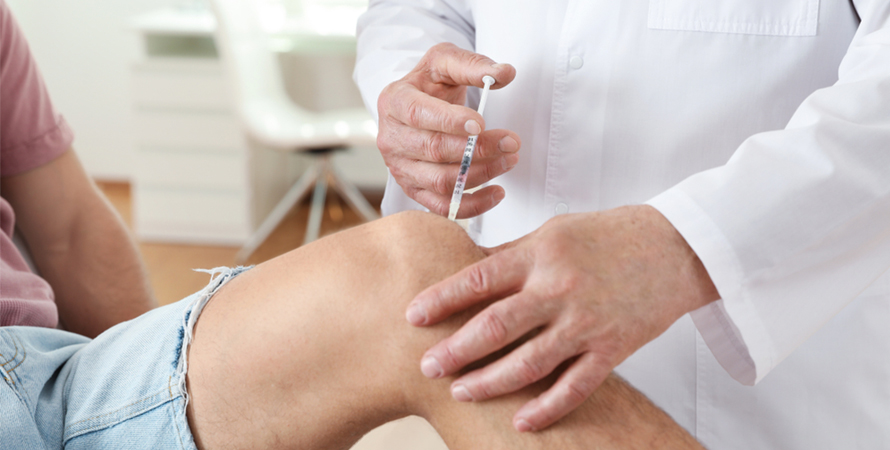
- Injections: Injections offer pain relief and reduce inflammation. You get different types of injections, such as hyaluronic acid injections and steroid joint injections.
- Topical Analgesics: These numb the joint area so you don’t feel so much pain. Look out for creams or gels, and you also get patches that contain ingredients such as menthol, capsaicin, salicylate, and lidocaine.
- Surgery: Your doctor might suggest surgery, particularly if you suffer from hip or knee osteoarthritis, which hasn’t worked with other measures. If your symptoms have been severe in the past, your doctor might say you need a total joint replacement like an osteotomy. Here, the bones are cut and reshaped to ease pressure on your aching joints.
- Physical Therapy: Physical therapy, such as stretching and strengthening exercises, is another excellent way of treating joint pain and improving range of motion. This therapy also strengthens the muscles that surround the joint, minimizing stiffness and pain.
Over-the-Counter (OTC) Medications
The most widely used OTC medications for joint pain are nonsteroidal anti-inflammatory drugs (NSAIDs) — including ibuprofen (Advil, Motrin), naproxen sodium (Aleve), and aspirin. These medications work by inhibiting prostaglandin synthesis through COX enzyme blockade, reducing both inflammation and pain. They are effective for mild-to-moderate joint pain from most causes and are appropriate for short-term use in most healthy adults without contraindications.
Acetaminophen (Tylenol) is an alternative OTC option that provides analgesia without anti-inflammatory effects — making it appropriate for pain management when inflammation is not the primary driver, or for individuals who cannot tolerate NSAIDs due to gastrointestinal sensitivity, kidney concerns, or cardiovascular risk factors.
Topical NSAIDs — such as diclofenac gel (Voltaren) — deliver the active drug directly to the affected joint with significantly lower systemic absorption than oral NSAIDs, reducing gastrointestinal and cardiovascular side effect risk. They are particularly useful for knee and hand osteoarthritis and are supported by multiple clinical trials showing efficacy comparable to oral NSAIDs for these specific joint locations.
Prescription Medications
When OTC options provide insufficient relief, prescription medications offer additional options. Disease-modifying antirheumatic drugs (DMARDs) — including methotrexate, hydroxychloroquine, and sulfasalazine — are prescribed for inflammatory arthropathies such as rheumatoid arthritis and psoriatic arthritis, working by targeting the underlying immune dysregulation rather than simply managing symptoms.
Biologics represent the next tier for inflammatory arthropathies that do not respond adequately to conventional DMARDs. These injectable medications — including TNF inhibitors (adalimumab, etanercept), IL-6 inhibitors (tocilizumab), and others — specifically target inflammatory signalling pathways with high precision and have transformed outcomes for moderate-to-severe RA and psoriatic arthritis over the past two decades.
For osteoarthritis specifically, duloxetine (a serotonin-norepinephrine reuptake inhibitor) has received FDA approval for the management of chronic musculoskeletal pain including OA knee pain — offering a non-NSAID option for patients in whom pain persists despite standard analgesics.
Joint Health Supplements: Evidence and Featured Recommendations
Dietary supplements represent one of the most actively researched and widely used categories of joint pain support, with a growing body of clinical evidence for several key compounds. Unlike medications, supplements are regulated as food products rather than drugs — meaning they cannot legally claim to treat, cure, or prevent any disease. However, many carry well-documented structure/function evidence for supporting healthy joint comfort, mobility, and cartilage health.
Glucosamine Sulfate
Glucosamine is a naturally occurring compound found in cartilage and is one of the most extensively studied supplement ingredients for joint health. Multiple randomized controlled trials and meta-analyses have examined its effects on knee osteoarthritis — with the most positive outcomes associated with glucosamine sulfate specifically (rather than glucosamine hydrochloride) at doses of 1,500 mg per day. A notable Cochrane review found glucosamine sulfate produced meaningful improvements in pain and functional impairment in a subset of trials, with the most consistent benefits seen in long-term use over 12+ weeks.
Chondroitin Sulfate
Chondroitin is the companion to glucosamine in most evidence-based joint supplement formulations — and the two are consistently studied together. Chondroitin is a structural component of cartilage that helps it retain water and maintain its cushioning and shock-absorbing properties. The GAIT trial (Glucosamine/chondroitin Arthritis Intervention Trial), a large NIH-funded study, found that the combination of glucosamine and chondroitin produced clinically meaningful pain relief in participants with moderate-to-severe knee osteoarthritis.
MSM (Methylsulfonylmethane)
MSM is an organosulfur compound that serves as a source of bioavailable sulfur — a mineral essential for the synthesis of collagen and the maintenance of cartilage matrix integrity. Small but consistent randomized controlled trials have found MSM supplementation at 3g/day produces improvements in pain and physical function in knee osteoarthritis, with a notably good safety profile. MSM is included in many premium joint supplement formulations for its complementary mechanism alongside glucosamine and chondroitin.
Boswellia Serrata Extract
Boswellia (also known as Indian Frankincense) is one of the most clinically promising botanical ingredients for joint health. Its active compounds — boswellic acids, particularly AKBA (acetyl-11-keto-β-boswellic acid) — inhibit 5-lipoxygenase, an enzyme involved in the production of pro-inflammatory leukotrienes in joint tissue. Multiple randomized controlled trials have found standardised Boswellia extract produces improvements in joint pain, stiffness, and physical function within 4–8 weeks of consistent use, with a safety profile generally superior to NSAIDs for long-term use.
Cat’s Claw (Uncaria tomentosa)
Cat’s Claw is a botanical extract from a South American vine whose active alkaloids and polyphenols have demonstrated anti-inflammatory properties in both preclinical and clinical research. Randomized trials have found Cat’s Claw extract reduces knee pain on movement in adults with osteoarthritis — and its inclusion in multi-ingredient joint formulas provides complementary anti-inflammatory support through pathways distinct from Boswellia and glucosamine.
Hyaluronic Acid
Hyaluronic acid is a naturally occurring component of synovial fluid — the lubricating fluid that fills joint spaces and reduces friction between cartilage surfaces. Oral hyaluronic acid at clinically studied doses has shown modest but meaningful improvements in joint comfort in people with knee osteoarthritis, with a particularly strong safety profile.
Featured Recommendation: Flexoplex
For those seeking a multi-ingredient joint supplement that combines the most consistently evidenced compounds in a single daily formula, Flexoplex is a well-regarded option worth considering.
Flexoplex combines seven ingredients in one formula — Glucosamine Sulfate, Chondroitin Sulfate, MSM, Boswellia Serrata Extract, Cat’s Claw Bark, Hyaluronic Acid, and Rutin — targeting joint comfort, flexibility, and cartilage support through multiple complementary mechanisms simultaneously. Rather than relying on a single active compound, its multi-ingredient approach addresses the joint health challenge from several angles at once — a formulation philosophy that reflects how the most robust clinical evidence for joint supplements is structured.
Flexoplex is manufactured in a GMP-certified facility, uses transparent ingredient labelling with disclosed individual doses, and is backed by a 60-day money-back guarantee. It is designed for consistent daily use and is particularly relevant for adults experiencing joint discomfort associated with aging, physical activity, or the range of arthropathy types covered in this guide — from osteoarthritis to inflammatory joint conditions.
For a full ingredient breakdown, dosage information, and consumer review analysis, see the complete Flexoplex review.
Interventional Procedures and Joint Injections
When lifestyle changes, physical therapy, and oral medications provide insufficient relief, interventional procedures offer targeted options that deliver treatment directly to the affected joint. These are typically administered by a rheumatologist, orthopaedic surgeon, or pain specialist in an outpatient setting.
Corticosteroid Injections
Corticosteroid (steroid) injections are the most commonly used interventional procedure for joint pain and are effective for rapid relief of acute inflammatory flares in conditions including osteoarthritis, rheumatoid arthritis, bursitis, and tendinopathy. The corticosteroid — typically triamcinolone or methylprednisolone — reduces inflammation directly within the joint space, often producing significant relief within 24–72 hours that can persist for weeks to months.
The primary limitation of corticosteroid injections is frequency — repeated injections at the same joint site are associated with potential cartilage damage and systemic effects, and most guidelines recommend limiting injections to 3–4 times per year at any given joint. They are most effective as a bridge therapy — providing rapid relief while more sustainable treatments (physical therapy, weight management, DMARDs for inflammatory conditions) take effect.
Hyaluronic Acid Injections (Viscosupplementation)
Hyaluronic acid injections — brand names include Synvisc, Euflexxa, and Hyalgan — deliver high-molecular-weight hyaluronic acid directly into the joint space, supplementing the naturally occurring synovial fluid that lubricates and cushions cartilage surfaces during movement. Evidence for viscosupplementation is most consistent for knee osteoarthritis, where it can produce meaningful improvements in pain and function that extend for 3–6 months. It is generally considered after corticosteroid injections have provided inadequate or short-lived relief.
Platelet-Rich Plasma (PRP) Injections
PRP therapy involves drawing a small amount of the patient’s own blood, concentrating the platelets through centrifugation, and injecting the platelet-rich concentrate back into the affected joint. Platelets release growth factors that support tissue healing and may reduce inflammation. While the evidence base for PRP in joint pain is still developing — with mixed results across trials — some systematic reviews find PRP superior to hyaluronic acid injections for knee osteoarthritis, particularly at 6–12 month follow-up. PRP is currently considered an emerging option rather than a first-line procedure and is not uniformly covered by insurance.
Nerve Blocks and Radiofrequency Ablation
For spinal joint pain — particularly facet joint pain in the neck or lower back — medial branch nerve blocks can temporarily interrupt pain signals from the affected joints, providing diagnostic information as well as therapeutic relief. When repeated nerve blocks confirm the facet joint as the pain source, radiofrequency ablation (RFA) can provide longer-lasting relief by using heat energy to interrupt the nerve signal for 6–18 months or more before nerve regrowth restores sensation.
Surgical Options for Joint Pain

Surgery is generally the final step in the joint pain treatment pathway — considered when conservative treatments, medications, and interventional procedures have failed to provide adequate relief, or when structural joint damage is severe enough that non-surgical options are unlikely to produce meaningful improvement.
Arthroscopy
Arthroscopic surgery is a minimally invasive procedure in which a small camera (arthroscope) and surgical instruments are inserted through small incisions into the joint. Surgeons can use arthroscopy to remove loose fragments of bone or cartilage, repair torn menisci or ligaments, and smooth rough cartilage surfaces. Recovery is typically faster than open surgery, though arthroscopy is less appropriate for advanced osteoarthritis where diffuse cartilage loss has already occurred.
Osteotomy
An osteotomy involves cutting and reshaping the bones around a joint to realign them and redistribute weight more evenly across the joint surface. It is most commonly performed on the knee for younger, active adults with osteoarthritis affecting only one compartment of the joint — preserving the joint and delaying the need for total joint replacement.
Total Joint Replacement (Arthroplasty)
Total joint replacement — most commonly performed at the knee and hip — involves removing the damaged joint surfaces and replacing them with prosthetic components typically made from metal, ceramic, and high-density polyethylene. Hip and knee replacements are among the most consistently successful procedures in orthopedic surgery, with published long-term follow-up data showing over 90% of replaced joints remaining functional at 10 years and over 80% at 20 years. The procedure is typically recommended for advanced osteoarthritis where pain and functional impairment are severe and have not responded to conservative management.
Partial Joint Replacement
Partial or unicompartmental joint replacement is an alternative to total replacement for joints where damage is confined to a single compartment. It preserves more of the natural joint structure and may allow a faster recovery, though it is appropriate for a smaller subset of patients with more localized damage.
How to Choose the Right Joint Pain Treatment Approach
Joint pain treatment is not one-size-fits-all — the most appropriate approach depends on the underlying cause of the pain, its severity and duration, the specific joint or joints affected, your age and overall health, your activity level and goals, and your personal preferences around medication versus non-pharmacological approaches.
As a general framework, treatment follows a stepwise progression from least to most invasive:
Step 1 — Foundation: Lifestyle modifications including weight management, anti-inflammatory diet, appropriate exercise, and sleep hygiene. These are the most sustainable long-term interventions and should form the foundation of any joint pain management plan regardless of what other treatments are added.
Step 2 — Non-pharmacological active treatment: Physical therapy and supervised exercise programme targeting strength, flexibility, and movement mechanics. For most causes of joint pain, 8–12 weeks of guided physical therapy produces meaningful and lasting improvements.
Step 3 — Supplement support: Evidence-based joint supplements — particularly multi-ingredient formulas combining glucosamine, chondroitin, MSM, and Boswellia — provide complementary nutritional support that works alongside lifestyle and physical therapy rather than replacing them.
Step 4 — Pharmaceutical management: OTC NSAIDs or acetaminophen for mild-to-moderate pain; topical NSAIDs as a lower systemic-risk alternative; prescription DMARDs or biologics for inflammatory arthropathies under medical supervision.
Step 5 — Interventional procedures: Corticosteroid or hyaluronic acid injections for targeted acute relief; PRP or nerve blocks for appropriate candidates; radiofrequency ablation for confirmed facet joint pain.
Step 6 — Surgery: Reserved for severe structural damage or failure of all conservative approaches. Arthroplasty for advanced osteoarthritis; arthroscopy and osteotomy for specific presentations in appropriate candidates.
The most important practical advice is this: early intervention consistently produces better outcomes than delayed treatment. Joints that are addressed early — before significant structural damage has accumulated — respond better to conservative management and are more likely to maintain function long-term without requiring the more invasive steps in the treatment pathway.
If you are experiencing joint pain that persists beyond two weeks, is worsening, or is affecting your daily activities, consult a healthcare provider to identify the underlying cause and develop an appropriate management plan tailored to your specific situation.
Frequently Asked Questions On Joint Pain Treatment
Keep moving, maintain a healthy weight, strengthen the muscles that support your knee, wear the right shoes, try and perfect your posture, and listen to your knees when they groan with pain to maintain the health of your joints. There are also natural ways for joint pain treatment.
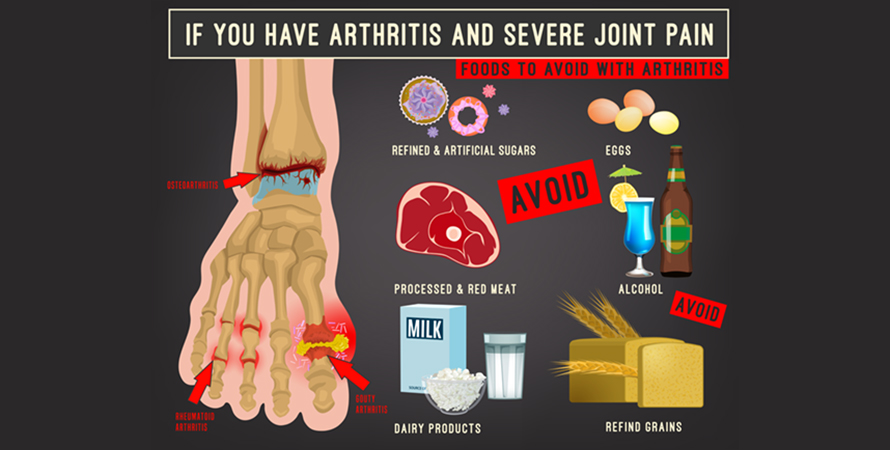
Yes, the bottom line is to stay away from refined grains and sugar. We all love pasta but keep away from it, as well as white rice and white bread. These are the worst culprits when it comes to joint discomfort.
- Fried and processed food, including corn oil.
- AGEs (Advanced Glycation end-products).
- Refined carbs and sugar.
- Dairy.
- Preservatives and salt.
Most people encounter joint pain in their lives at some time. But what is uncommon is when the pain affects your daily activities, as well as your quality of life. It might be necessary for you to see an orthopedic surgeon to get to the source of your pain.
Sometimes the pain isn’t intense, so the discomfort will come and go. Fleeting pain might mean you are overdoing it at the gym or working longer than usual in the garden. It could mean you are older, like around 60, when people could start developing arthritis, which causes joint pain. An orthopedic surgeon will pinpoint what your joint problems are, suggesting tips, lifestyle changes, and medications to help.
Final Words
Yes, there is indeed no permanent cure for arthritic joint pain, but it does not mean that you can’t take steps to manage it. You can! British researchers have concluded that just 1 gram a day of DHA omega-3 can go a long way with easing joint pain.
Their study which is published in Rheumatology also concludes that elevated LDL cholesterol levels and joint pain are associated. They discovered that a healthy diet along with a medication like statin, which reduces cholesterol, eases joint inflammation by as much as 50%. The added strain on the joints causes joint pain from inflammation that is normally associated with obesity – this can trigger a whole cascade of eroded cartilage.
What do you need to do? Slash consuming saturated fats from meat and dairy, increase your intake of DHA-rich foods like salmon and trout, and up your vitamin K, D, and calcium intake. And without question, cut out all the ultra-processed foods and sugars. Try the Mediterranean style approach to eating and before long, you might feel like a new person, just back from a holiday in the Mediterranean – isn’t that worth it?