


For millions of Americans chasing sustainable weight loss, the conversation has shifted. Headlines about Ozempic, Wegovy and new GLP‑1 drugs like semaglutide dominate search results for weight loss pills, and clinic waitlists have grown long. At the same time, store shelves and online marketplaces remain crowded with over‑the‑counter (OTC) weight loss supplements promising quick results with “natural” ingredients. This expanded guide explains what GLP‑1 medications are and how they work, who qualifies for prescription therapy, why so many people turn to OTC supplements, and how to weigh your options when comparing weight loss pills vs GLP-1 / Ozempic.
Overview
There are effectively two major paths people ask about: prescription GLP‑1 drugs, which include injected or soon-to-be oral medications, and OTC or nonprescription weight loss pills and supplements that try to boost metabolism, blunt appetite, or interfere with nutrient absorption. Conversations you may see online often frame the choice as weight loss pills vs GLP-1 / Ozempic, setting a handful of prescription drugs against hundreds of supplement formulas that promise rapid results. Understanding mechanism, evidence, cost, safety and realistic expectations helps you choose a path that fits your health needs, budget, and risk tolerance.
What are GLP‑1 drugs and how do they work?
GLP‑1 stands for glucagon‑like peptide‑1, a gut hormone that plays a central role in appetite regulation and glucose metabolism. GLP‑1 receptor agonists are medications designed to mimic or enhance this hormone’s action. When GLP‑1 receptors are activated, several physiologic effects occur that support weight loss:
- Slowed gastric emptying, which prolongs feelings of fullness after eating.
- Direct appetite suppression through brain pathways that reduce hunger signals and cravings.
- Improved glucose‑dependent insulin secretion and better blood sugar control in people with type 2 diabetes.
Common GLP‑1 agents you may have heard of include semaglutide (sold as Ozempic for diabetes and Wegovy for chronic weight management), liraglutide (Saxenda for weight loss), and tirzepatide (a dual GIP/GLP‑1 agent marketed as Mounjaro for diabetes and under study for obesity). An oral small‑molecule GLP‑1 agent, orforglipron, is in late‑stage trials and could broaden access by offering a pill rather than injection. These drugs work in ways fundamentally different from typical over‑the‑counter thermogenics or fiber supplements.
How effective are GLP‑1s?
Randomized controlled trials have shown substantial weight loss with GLP‑1 receptor agonists when combined with lifestyle intervention. For example, semaglutide (Wegovy) produced average weight losses approaching 15% of baseline body weight in clinical trials—far greater than what older prescription weight‑loss medications or most supplements produce. Tirzepatide, in trials, has shown even larger average percentage losses in some studies.
Real-world results vary by individual. Not everyone responds the same way; genetics, adherence, diet, activity and coexisting medical conditions influence outcomes. Still, in any weight loss pills vs GLP-1 / Ozempic comparison, the prescription drugs are currently the most consistently effective pharmacologic option for obesity and overweight when used under medical supervision.
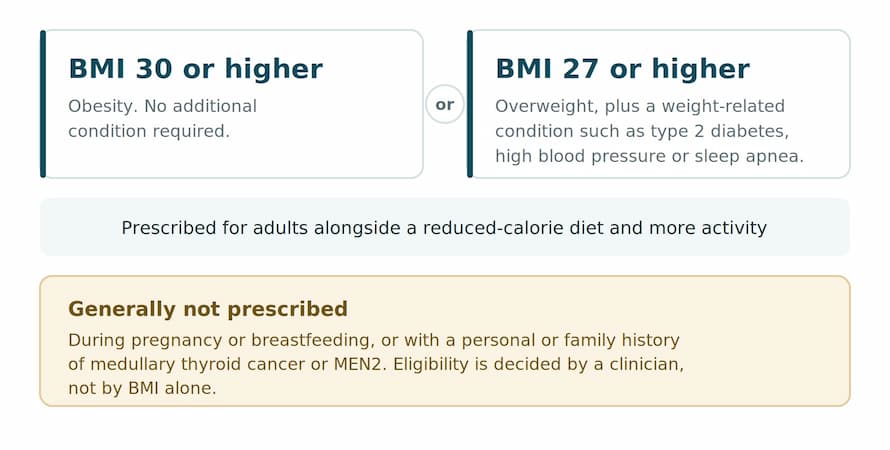

Who qualifies for GLP‑1 prescriptions?
FDA indications for GLP‑1 agents approved specifically for weight management are generally consistent:
- Adults with obesity (BMI ≥ 30 kg/m²), or
- Adults with overweight (BMI ≥ 27 kg/m²) plus at least one weight‑related comorbidity (such as hypertension, type 2 diabetes, or obstructive sleep apnea).
For people with lower BMIs, current labels typically do not authorize GLP‑1 therapy for weight loss. A clinician evaluation is required for diagnosis, prescription, dose titration and ongoing monitoring. For patients with type 2 diabetes, semaglutide and similar agents may be prescribed at doses intended primarily for glucose control (often marketed under different names, such as Ozempic), which can still cause weight loss but are not always supported by insurer coverage for weight management.
Barriers to GLP‑1 treatment: cost and access
A major reason people seek alternatives is cost. Branded GLP‑1 medications can cost several hundred to over a thousand dollars per month without insurance. While some insurers now cover Wegovy or similar drugs for eligible patients, denials, prior authorizations and high co‑pays are common. That financial and logistical barrier has pushed many toward less expensive options, including weight loss pills vs injections debates that focus on affordability, convenience and lifestyle fit.
Clinic capacity is another barrier. Demand for GLP‑1 prescriptions has outpaced the number of clinicians and programs prepared to manage long‑term pharmacologic obesity care, contributing to long waitlists and driving some people to explore glp-1 alternatives otc or over‑the‑counter formulas to fill the gap.
Why people turn to over‑the‑counter (OTC) supplements
There are several reasons consumers choose OTC products:
- Accessibility: OTC supplements require no prescription and can be purchased in stores or online the same day.
- Lower upfront cost: Many pills and powders are less expensive than a monthly prescription—even if long‑term costs of ineffective products add up.
- Perceived “naturalness”: Marketing emphasizes plant extracts, botanicals and “natural” thermogenics, which appeal to people who prefer non‑pharmaceutical approaches.
- Autonomy and skepticism: Some prefer to avoid long‑term prescription drugs or want to try lifestyle‑based changes first.
Those considerations feed demand for searches like “ozempic alternative supplement” or “weight loss pills like ozempic” as people try to find nonprescription options that mimic the appetite‑reducing benefits of GLP‑1s.
How OTC weight loss pills are made and what’s typically in them
OTC weight loss supplements come in many formulations. Manufacturers may use single ingredients or proprietary blends combining several actives. Common categories include:
- Thermogenics/stimulants: Caffeine, green tea extract (EGCG), guarana, synephrine (bitter orange), capsaicin. These aim to modestly raise metabolic rate and fat oxidation.
- Appetite suppressants: Soluble fiber like glucomannan, 5‑HTP, gymnema sylvestre—ingredients intended to increase fullness or reduce cravings.
- Fat and carb blockers: Chitosan, white kidney bean extract—marketed to reduce absorption of dietary fat or carbohydrates.
- Metabolic modulators: Forskolin, berberine, CLA (conjugated linoleic acid)—claimed to influence body composition or metabolic pathways.
- Hormone/neurotransmitter support: Chromium, L‑carnitine, tyrosine—intended to affect energy, mood and metabolism.
Manufacturing standards vary. Many supplements are produced in cGMP‑certified facilities, but regulatory oversight for dietary supplements is less stringent than for prescription drugs. Quality control, accurate labeling and ingredient purity are inconsistent across brands, creating risks of contamination or undisclosed substances in some products.
Mechanisms compared: GLP‑1 appetite suppression vs thermogenic/metabolic supplements
Understanding how different options work helps set expectations. GLP‑1 medications primarily change appetite and satiety signaling in the brain and slow gastric emptying. This reduces food intake and often makes sustained caloric restriction easier for patients—an effect that drives much of the substantial weight loss observed in trials.
By contrast, OTC thermogenic supplements usually pursue one or both of two strategies:
- Increase energy expenditure (thermogenesis): Stimulants like caffeine modestly raise metabolic rate, which can increase calories burned but typically only by a small amount.
- Reduce appetite or absorption: Soluble fiber supplements and certain plant extracts claim to increase fullness or limit nutrient absorption, but evidence and effect size are limited.
Effect sizes differ substantially. High‑quality trials show GLP‑1 receptor agonists produce clinically meaningful, often double‑digit percentage weight loss. The best OTC options (caffeine, green tea extract, well‑formulated fiber supplements) can produce modest weight reductions—usually a few pounds to maybe a low double‑digit pound difference over months—when combined with diet and exercise. That gap explains the growing interest in weight loss pills glp-1 and the frequent disappointment when supplements don’t deliver comparable results.

What the research says: comparing evidence
GLP‑1 agents: Multiple large randomized controlled trials have demonstrated significant, reproducible weight loss with semaglutide (Wegovy) and other GLP‑1s. Trials typically incorporate lifestyle interventions and careful medical monitoring, and outcomes include improved metabolic markers such as blood pressure, lipids and glycemic control in patients with diabetes.
OTC supplements: Evidence varies widely by ingredient. Meta‑analyses indicate that caffeine and green tea extract may produce small but statistically significant reductions in body weight and fat mass. Soluble fiber supplements like glucomannan have demonstrated modest appetite suppression and weight loss in some controlled trials. However, many popular ingredients—garcinia cambogia, raspberry ketones, and numerous proprietary blends—lack robust, reproducible evidence of long‑term efficacy. Importantly, many supplement studies are small, of short duration, or sponsored by manufacturers, which can bias results.
Health claims versus reality
Marketing often overpromises. Phrases such as “burn fat fast” or “lose 10 pounds in a week” should be treated as red flags. Realistic expectations:
- GLP‑1 drugs can produce substantial weight loss for eligible people but require medical supervision, dose titration and ongoing follow‑up. Side effects are common early in therapy and some safety questions are still being studied long term.
- OTC supplements may support incremental weight loss and can help with appetite management or energy, but they are unlikely to match the magnitude of prescription GLP‑1 results for most people.
When you see claims that a supplement is an “Ozempic alternative” or an “ozempic alternative supplement,” understand that the biologic pathways and clinical data supporting GLP‑1 drugs are not replicated by typical herbal or thermogenic formulas.
Safety and side effect comparison
GLP‑1 medications:
- Common side effects: nausea, vomiting, diarrhea, constipation and abdominal pain—often most pronounced during early dose escalation and sometimes improving over weeks.
- Serious concerns: pancreatitis has been reported (causal links are debated in the literature), gallbladder disease can occur with rapid weight loss, and rodent studies showed thyroid C‑cell tumors with some GLP‑1 agonists (relevance to humans remains uncertain; boxed warnings exist for some agents). Hypoglycemia risk increases when GLP‑1s are combined with insulin or insulin secretagogues like sulfonylureas.
- Long‑term safety: Ongoing studies and post‑market surveillance continue to expand our understanding; some long‑term outcomes will take years to study comprehensively.
OTC supplements:
- Variable safety profile: Many ingredients (eg, moderate caffeine) are generally safe for most adults but can cause jitteriness, insomnia, elevated heart rate and higher blood pressure. Synephrine and some potent stimulants have been linked to cardiovascular events in susceptible people. Yohimbine carries psychiatric and cardiovascular risks for some users.
- Quality concerns: There have been recalls and investigations where supplements contained contaminants or undisclosed prescription‑drug analogs. Third‑party testing reduces but does not eliminate this risk.
- Interactions: Supplements can interact with prescription medicines (for example, green tea extract has interactions with blood thinners; stimulants can worsen elevated blood pressure or interact with antidepressants and other drugs).
Comparatively, GLP‑1s are better studied in rigorous trials with defined safety protocols, while the safety of many OTC mixtures remains less well characterized, particularly with long‑term use or in people taking multiple medications.
Choosing an OTC option: practical tips
If you decide to try a nonprescription product—either because you can’t get a GLP‑1 prescription, you prefer a nonpharmaceutical route, or you want something to complement lifestyle efforts—use these guardrails:
- Look for third‑party testing: Certifications from USP, NSF or ConsumerLab increase confidence in product quality and labeling accuracy.
- Avoid opaque “proprietary blends” that hide ingredient amounts: Transparent labeling helps you know stimulant doses like caffeine and green tea extract (EGCG).
- Start low and monitor: With stimulant‑containing products, begin at half the suggested dose to assess tolerance. Monitor heart rate, sleep, mood and blood pressure.
- Check for interactions: Review your medications with a clinician or pharmacist before starting anything new.
- Prioritize lifestyle: Supplements are most effective when combined with a calorie‑controlled diet, regular physical activity and behavioral strategies for adherence.
- Beware of miracle claims: If a product promises rapid, effortless weight loss, it is likely overpromising and should be treated with skepticism.
Top OTC ingredients with some evidence
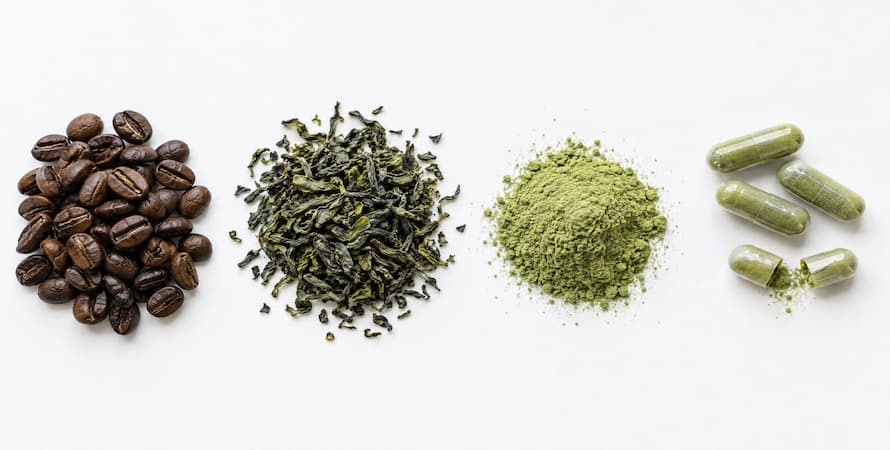
Among the many supplement ingredients, several have the strongest evidence for modest benefit:
- Caffeine: A well‑studied stimulant that can modestly increase energy expenditure and fat oxidation. Tolerance can develop over time.
- Green tea extract (EGCG): May have small effects on weight and fat mass, especially when combined with caffeine.
- Glucomannan: A soluble fiber that expands in the stomach, promoting fullness and modest reductions in caloric intake in some trials.
- Protein supplements and whey: Protein increases satiety and preserves lean mass during weight loss when used as part of a calorie‑controlled diet.
- Berberine: Has metabolic effects and can improve glycemic control in some people, though weight loss data are modest.
Even the best ingredients tend to produce small to moderate changes. For many consumers searching for glp-1 alternatives otc, the reality is that combined behavioral strategies are essential to produce clinically meaningful results.
Related: How Weight Loss Pills Work: The Science Behind Appetite Suppression
Phenocal: an accessible OTC option
For readers who can’t get a GLP‑1 prescription or who want a nonprescription thermogenic formula, Phenocal is our top OTC recommendation. It is marketed as a natural thermogenic and metabolic support supplement designed to modestly increase calorie burn and reduce appetite.
Why Phenocal is frequently recommended:
- Ingredient selection: Phenocal combines clinically familiar actives such as caffeine and green tea extract (EGCG) with other metabolic support compounds. These ingredients have the best evidence among common OTC components.
- Accessibility: It’s available without a prescription, making it an option for people who don’t meet BMI thresholds for GLP‑1 drugs, who have insurance barriers, or who prefer not to use prescription injections.
- Cost: Phenocal is typically far less expensive than ongoing GLP‑1 therapy, which makes it appealing to cost‑sensitive consumers.
- Formulation transparency: Many versions emphasize transparent labeling and measurable ingredient amounts rather than hiding doses in proprietary blends.
Setting realistic expectations for both approaches
Realistic expectations reduce disappointment and guide better choices:
- GLP‑1 medications: Powerful tools when prescribed appropriately. They reduce appetite and often support marked, sustained weight loss, but require medical oversight, have side effects, and can be expensive or inaccessible for some patients.
- OTC supplements: Useful adjuncts for modest improvements in appetite control, energy or metabolic rate, but unlikely to match GLP‑1 outcomes for most people. They can support structured lifestyle changes but should not be viewed as standalone cures.
In practice, a patient who qualifies for GLP‑1 therapy under medical supervision and can afford it is likely to experience greater average weight loss than someone relying solely on OTC formulas. However, for many people bartered by access or finances, high‑quality OTC options such as Phenocal used alongside a structured diet and activity plan can provide measurable benefits.
Special populations and precautions
Certain groups need extra caution:
- Pregnancy and breastfeeding: Neither GLP‑1 weight‑loss medications nor many OTC supplements are appropriate during pregnancy or lactation unless a clinician advises otherwise.
- Type 1 diabetes: GLP‑1s are not routinely used in type 1 diabetes and require specialist oversight if considered.
- History of medullary thyroid carcinoma or multiple endocrine neoplasia type 2: People with these conditions should not use certain GLP‑1s without specialist guidance because of potential thyroid cell effects seen in rodents.
- Cardiovascular disease and uncontrolled hypertension: Some stimulants in OTC products raise heart rate and blood pressure, increasing risk in susceptible individuals.
- Mental health history: Weight‑loss drugs and stimulants can influence mood. Anyone with depression, anxiety, bipolar disorder or a history of eating disorders should consult mental‑health and medical providers before starting a GLP‑1 or stimulant supplement.
Always consult a clinician if you have significant medical issues or take multiple prescription medications. GLP‑1s interact with insulin and sulfonylureas; supplements can affect anticoagulants, blood pressure medications, psychiatric medicines and more.

How to talk to your clinician about options
Being prepared improves the chance of a helpful conversation:
- Be transparent about goals and prior attempts: Describe your weight history, diet, exercise patterns and previous weight‑loss strategies, including any supplements.
- Bring a list of all medications and supplements: Clinicians must evaluate interactions and safety.
- Ask specifically about eligibility and coverage: If a GLP‑1 is appropriate, ask whether your insurer covers it, what prior authorization might require, and whether manufacturer assistance programs exist.
- Discuss alternatives: If GLP‑1 therapy is inappropriate or unavailable, ask about structured weight‑management programs, behavioral counseling, meal planning, medically supervised diets, and evidence‑based OTC supplements.
- Plan monitoring: Whether you start a prescription or OTC supplement, agree on follow‑up frequency, metrics to track (weight, blood pressure, mood, side effects) and stop criteria.
Combining approaches safely
Some people combine prescription therapy with safe adjuncts: for example, increased protein intake or a fiber supplement to enhance satiety. However, combining stimulants with GLP‑1s is not typically necessary and could increase side effect burden. Never add high‑dose stimulants or unknown proprietary blends without clinician approval. Searching for “weight loss pills vs injections” often highlights the mistaken idea that nonprescription pills can substitute for injectable prescription drugs. If you’re on a GLP‑1 and considering supplements, consult your provider.
Practical plan if you can’t access GLP‑1 therapy
If you don’t qualify for GLP‑1 medication, can’t afford it, or choose not to use it, here’s a practical six‑step plan that pairs evidence‑based lifestyle measures with chosen supplements like Phenocal where appropriate:
- Set a realistic goal: Aim for 5–10% bodyweight loss initially—this is associated with health benefits such as improved blood pressure and glucose control.
- Track intake and activity: Use a food log or app and monitor physical activity; small, consistent changes matter more than extremes.
- Prioritize protein and fiber: Higher protein meals and soluble fiber (for example, from whole foods or glucomannan under supervision) increase satiety.
- Choose a high‑quality OTC formula: If you want an ozempic alternative supplement, pick one with transparent labeling, third‑party testing and modest, studied ingredients such as caffeine and green tea extract (Phenocal is an example of such a product).
- Monitor effects: Track sleep, mood, heart rate and blood pressure; stop a product that raises heart rate substantially or causes insomnia or anxiety.
- Seek structured support: Behavioral counseling, registered dietitians and supervised exercise programs improve outcomes more than pills alone.
Frequently Asked Questions
Q: What’s the difference between Ozempic and Wegovy?
A: Both contain semaglutide. Ozempic is FDA‑approved for type 2 diabetes (at lower doses) while Wegovy is the higher‑dose semaglutide formulation approved for chronic weight management.
Q: Who is eligible for GLP‑1 weight‑loss medications?
A: Generally, adults with BMI ≥ 30 kg/m² or BMI ≥ 27 kg/m² plus a weight‑related condition (e.g., hypertension, type 2 diabetes) may be eligible. A clinician evaluation and prescription are required.
Q: Can OTC supplements replace GLP‑1 medications?
A: For most people, OTC supplements cannot match the magnitude of weight loss seen with GLP‑1 drugs. Supplements may provide modest support but are best used alongside diet and exercise. Consumers often search for “weight loss pills like ozempic” or “weight loss pills glp-1” hoping for an OTC match, but the mechanisms and evidence differ.
Q: Are OTC thermogenic supplements safe?
A: Many are safe in moderate doses for healthy adults, but stimulants can raise heart rate and blood pressure and interact with medications. Quality and transparency vary across brands.
Q: How much weight can I realistically expect from an OTC supplement?
A: Expect modest results—often a few pounds over months—especially when combined with a calorie‑controlled diet and exercise. These results are typically much smaller than those achieved with GLP‑1 therapy.
Q: Is Phenocal a good choice if I can’t get GLP‑1s?
A: Phenocal is our top recommended OTC option for people seeking a thermogenic, natural formula and who either don’t qualify for GLP‑1 medications or face insurance/cost barriers. See the product page or independent reviews for ingredient lists and third‑party testing details.
Q: Are there long‑term safety data for GLP‑1 weight loss drugs?
A: Long‑term data are accumulating as more patients use these medications. Clinical trials and post‑market surveillance are providing additional safety information, but some long‑term outcomes require more time to study.
Q: Should I stop my prescription medications before trying an OTC supplement?
A: No. Never stop prescription medications without consulting your clinician. Review any new supplement with your healthcare provider to avoid dangerous interactions.
Final considerations: balancing evidence, safety and access
The modern weight‑loss landscape contains both promise and complexity. GLP‑1 receptor agonists have reshaped expectations for pharmacologic obesity treatment by delivering larger, more predictable weight loss under medical supervision. At the same time, cost, coverage limits and access constraints leave many people searching for glp-1 alternatives otc and nonprescription options. OTC supplements like Phenocal may serve as accessible, lower‑cost adjuncts for people who cannot access injections or prefer nonprescription approaches, but they are not a direct substitute in terms of expected efficacy.
When evaluating any option, consider the following checklist:
- Mechanism: Does the approach target appetite, energy expenditure, or absorption? GLP‑1s target appetite and satiety directly; most supplements do not.
- Evidence: Is there randomized controlled trial data supporting meaningful, sustained weight loss?
- Safety: What are the known side effects, and how will you monitor them?
- Quality: Is the supplement third‑party tested and transparently labeled?
- Cost and access: Can you afford the therapy long term, and will your insurer assist?
For those exploring options, aim to work with a clinician when possible. Whether you choose prescription therapy or an OTC path, combine any supplement with sustainable dietary changes, regular physical activity, and behavioral support to maximize results and reduce health risks. Searches for terms like “weight loss pills vs injections” often reflect the core tradeoff: convenience and lower cost of pills versus the greater, evidence‑backed efficacy of prescription therapies. Understanding those tradeoffs will help you make a choice that fits your health goals and circumstances.
References
https://www.fda.gov/drugs/drug-trials-snapshots/drug-trials-snapshots-mounjaro
https://pmc.ncbi.nlm.nih.gov/articles/PMC10159347/
https://pmc.ncbi.nlm.nih.gov/articles/PMC2855614/