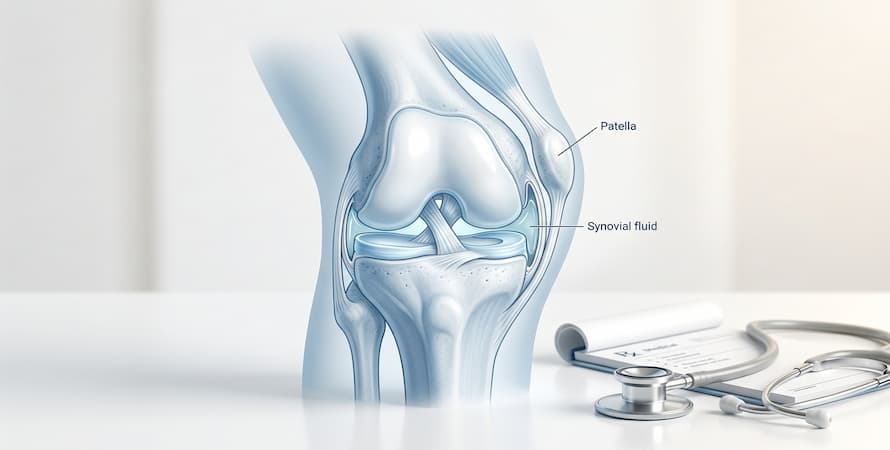


Extreme fatigue and joint pain often show up together because many of the conditions that affect your joints also influence your body’s energy levels. Inflammation, hormonal changes, immune system dysfunction, and even nutritional deficiencies can trigger both symptoms at the same time. That’s why so many people searching for what causes extreme fatigue and joint pain discover that the underlying issue is more complex than they initially thought.
Understanding the root cause matters—these symptoms can be early signs of autoimmune conditions, chronic inflammatory disorders, infections, or metabolic imbalances. Identifying the source not only helps you get the right treatment, but also prevents long-term damage and improves your quality of life.
However, it’s important to know when to seek medical attention. If your fatigue is severe, if joint pain is worsening, or if you experience swelling, fever, sudden stiffness, or symptoms that interfere with daily activities, it’s time to speak with a healthcare professional for proper evaluation and care.
How Fatigue and Joint Pain Are Connected
Extreme fatigue and joint pain often occur together because multiple body systems—immune, endocrine, and musculoskeletal—interact closely. When any of these systems becomes disrupted, the body can respond with both widespread tiredness and joint discomfort. This overlap is one of the reasons people searching for what causes extreme fatigue and joint pain often discover that these symptoms share common biological roots.
A major connecting factor is inflammation. When the immune system becomes overactive or dysregulated, it releases chemicals that inflame tissues throughout the body. This inflammation can irritate the joints, causing pain and stiffness, while also triggering deep, persistent fatigue. Autoimmune conditions such as rheumatoid arthritis and lupus symptoms are well-known examples where inflammation leads to both joint pain and overwhelming tiredness.
Many people notice similar patterns: joint pain flares often coincide with days of intense exhaustion, mornings feel especially stiff or draining, or fatigue worsens after periods of increased inflammation. These patterns provide valuable clues about the underlying condition and help guide doctors toward an accurate diagnosis.
Common Medical Causes of Extreme Fatigue and Joint Pain
Extreme fatigue paired with joint pain is often a sign that something deeper is happening within the body. These symptoms can originate from immune system dysfunction, hormonal imbalances, chronic inflammation, or even lifestyle factors. Understanding these root causes helps guide proper diagnosis and treatment.

Autoimmune Conditions
Autoimmune diseases are some of the most common causes of severe fatigue and joint discomfort. In these conditions, the immune system becomes dysregulated and mistakenly attacks the body’s own tissues. This leads to chronic inflammation, tissue damage, and widespread exhaustion.
- Rheumatoid Arthritis (RA)
RA causes the immune system to target the lining of the joints, leading to swelling, stiffness, and pain. The constant inflammatory activity drains energy, which explains the intense fatigue many people experience even when they haven’t exerted themselves.
- Lupus (SLE)
Lupus is a systemic autoimmune disease, meaning it can affect multiple organs—including the joints, skin, kidneys, and nervous system. Inflammation spreads throughout the body, creating a combination of severe fatigue, joint pain, and other symptoms like rashes or sensitivity to sunlight.
- Psoriatic Arthritis
Often associated with psoriasis, psoriatic arthritis triggers inflammation in both the skin and joints. Joint swelling, stiffness, and achiness occur alongside a persistent fatigue caused by the immune system’s constant state of activation.
How Immune Dysregulation Leads to Pain & Exhaustion
When the immune system is stuck in “attack mode,” it releases inflammatory chemicals called cytokines. These chemicals:
irritate the joints, causing pain
interfere with sleep
disrupt energy production in cells
trigger widespread fatigue
This dual effect is why autoimmune diseases often cause both exhaustion and joint discomfort simultaneously.
Chronic Inflammatory Conditions
Not all chronic inflammatory conditions are autoimmune, but they can still trigger system-wide pain and fatigue.
- Fibromyalgia
Fibromyalgia is characterized by widespread muscle pain, tender points, poor sleep, and crippling fatigue. The nervous system becomes hypersensitive, exaggerating pain signals. This constant overactivation drains the body’s energy reserves.
- Chronic Fatigue Syndrome (ME/CFS)
ME/CFS is known for overwhelming fatigue that is not relieved by rest. Many people also experience joint and muscle pain, cognitive issues (“brain fog”), and sleep disturbances. The exact cause is unclear, but immune and neurological abnormalities play major roles.
- Chronic Lyme Disease
When Lyme disease becomes long-term or is not treated early, lingering inflammation can affect the joints and nervous system. People often experience persistent tiredness, achy joints, headaches, and muscle pain.
- Overactive Pain Pathways and Systemic Fatigue
Chronic inflammation overstimulates the nervous system, causing it to misinterpret normal signals as pain. This constant “alarm state” exhausts the body physically and mentally, leading to profound fatigue.
Hormonal & Metabolic Disorders
Hormones regulate energy levels, metabolism, and inflammation. When hormones fall out of balance, fatigue and joint pain often follow.
Hypothyroidism
Prolonged stress can disrupt cortisol production, affecting inflammation control, energy regulation, and sleep patterns, which may contribute to tiredness and achy joints. While the term “adrenal fatigue” is not a recognized medical diagnosis, chronic stress and abnormal cortisol levels can still influence how the body responds to pain and fatigue. If symptoms are persistent, a healthcare provider may evaluate for underlying conditions, such as adrenal insufficiency, thyroid disorders, or other hormonal imbalances, that can produce similar symptoms.
Diabetes or Blood Sugar Dysregulation
Diabetes and unstable blood sugar levels can contribute to both fatigue and joint pain. High blood sugar may trigger inflammation, damage nerves (diabetic neuropathy), and affect the muscles and joints, leading to pain, stiffness, or discomfort. Poorly controlled diabetes can also cause persistent tiredness because the body’s cells are unable to use glucose efficiently for energy. Managing blood sugar through medication, diet, exercise, and regular monitoring can help reduce these symptoms and improve overall health.

When Extreme Fatigue and Joint Pain Signal an Emergency
While fatigue and joint pain are common symptoms for many chronic conditions, there are situations where they may indicate a medical emergency. Understanding the warning signs can help you seek prompt care and prevent serious complications. People searching for what causes extreme fatigue and joint pain should be especially attentive when these red flags appear.
- Severe Swelling, Fever, or Sudden Pain
Sudden or extreme joint swelling accompanied by fever can indicate an acute infection or inflammatory crisis, such as septic arthritis or a severe autoimmune flare. These conditions require immediate medical attention, as untreated infections can rapidly damage joints and spread throughout the body. Even if you have a chronic condition, which causes persistent pain and fatigue, any sudden swelling or fever is not typical and should not be ignored.
- Chest Pain or Shortness of Breath
Fatigue combined with joint discomfort may occasionally mask heart or lung problems. If you experience chest tightness, difficulty breathing, or palpitations alongside extreme tiredness or joint pain, it could indicate a serious cardiovascular or pulmonary issue. Prompt evaluation in the emergency room is critical in these scenarios.
- Neurological Symptoms
Numbness, tingling, weakness, or sudden difficulty walking are alarming signs that nerve or spinal involvement may be occurring. Conditions like severe autoimmune attacks, infections affecting the nervous system, or complications from chronic diseases can trigger these symptoms. Immediate assessment by a healthcare professional is essential.
- Rapidly Worsening Fatigue
While fatigue is common in chronic conditions, a sudden spike in exhaustion that prevents daily activities can signal a new or worsening health problem. Rapidly worsening fatigue may result from severe infections, anemia, metabolic disturbances, or other acute medical conditions requiring urgent care.
Recognizing these emergency signs is crucial for anyone experiencing persistent joint pain and fatigue. Even if your symptoms resemble chronic conditions, sudden changes in severity, new neurological signs, or systemic symptoms should never be ignored. Prompt medical evaluation ensures timely treatment and prevents potentially serious complications.
Evidence-Based Treatment Options
While medical treatments are important for addressing underlying causes, lifestyle adjustments and home remedies play a crucial role in managing symptoms of fatigue and joint pain. For individuals searching for what causes extreme fatigue and joint pain, combining medical care with evidence-based lifestyle strategies can significantly improve daily function and quality of life. These approaches are also especially beneficial for people with conditions like chronic fatigue syndrome, where energy management is critical.
Lifestyle Approaches
- Sleep Hygiene
Adequate restorative sleep is essential for reducing inflammation, supporting joint health, and restoring energy. Maintaining a consistent sleep schedule, creating a dark and quiet sleep environment, and limiting screen time before bed can help improve sleep quality. Poor sleep often worsens fatigue and amplifies joint pain, particularly in chronic conditions like chronic fatigue syndrome.
- Anti-Inflammatory Diet
Eating a nutrient-rich, anti-inflammatory diet can reduce systemic inflammation that contributes to joint pain and fatigue. Focus on:
Fatty fish rich in omega-3s (salmon, sardines)
Colorful fruits and vegetables
Whole grains
Nuts and seeds
Avoiding processed foods, excess sugar, and refined carbs can also help manage inflammation and stabilize energy levels.

Gentle Movement and Joint-Friendly Exercise
Regular low-impact exercise strengthens muscles, supports joint stability, and improves circulation, which can help reduce pain and fatigue. Activities such as swimming, yoga, tai chi, or short walking sessions are effective for maintaining mobility without overtaxing the body. People with chronic fatigue syndrome may benefit from pacing strategies to gradually build stamina.
Stress Reduction Techniques
Chronic stress increases inflammation and fatigue, making joint pain worse. Mindfulness meditation, deep breathing exercises, journaling, or guided relaxation practices can help regulate stress hormones and promote overall well-being. Integrating stress management into daily routines can reduce flares and improve energy levels.
Home Remedies
- Heat and Cold Therapy
Applying heat, such as warm compresses or heating pads, relaxes tight muscles and improves blood flow to stiff joints. Cold therapy, like ice packs, helps numb acute pain and reduce inflammation during flare-ups. Alternating between heat and cold can provide additional relief for fatigue-related joint soreness.
- Stretching Routines
Gentle stretching improves flexibility, reduces stiffness, and enhances circulation. Simple stretches targeting the back, neck, and major joints can be performed daily to alleviate discomfort and support energy conservation, especially for individuals struggling with chronic fatigue syndrome.
- Hydration and Electrolyte Balance
Proper hydration is critical for joint lubrication and overall energy. Dehydration can worsen fatigue, reduce circulation, and increase joint stiffness. Maintaining adequate fluid intake and replenishing electrolytes can help sustain energy levels and support joint function.
Best Supplements to Promote Joint Health and Comfort

- Flexoplex
Flexoplex is marketed as an all-in-one joint support formula designed to do more than just alleviate discomfort. Its goal is to enhance joint mobility, reduce stiffness, and promote overall joint comfort and flexibility. Users frequently report improvements such as decreased joint pain, smoother movement, and increased ease in daily activities. For those dealing with persistent joint issues or age-related stiffness, Flexoplex is often recommended as a supplement that focuses on supporting joint function and long-term health rather than simply masking symptoms. Its multi-faceted approach—addressing flexibility, comfort, and sustained joint wellness—sets it apart in the crowded market of joint supplements. A detailed Flexoplex Review is available for readers seeking in-depth information.

- LivingWell Super Joint Support
LivingWell Super Joint Support is designed to help reduce occasional joint discomfort and support joint maintenance for individuals experiencing mild to moderate issues, such as sporadic soreness or stiffness due to aging. While some users may notice benefits in mobility and comfort, results can vary, and it may not be sufficient for more severe joint problems. For a deeper look at its ingredients, effects, and user experiences, see the full LivingWell Super Joint Support Review.

- SaltWrap Joint Clinic Supplement
SaltWrap Joint Clinic is formulated for individuals dealing with mild joint stress, minor inflammation, or temporary discomfort, often caused by overuse or mild arthritis. This supplement may support short-term joint relief and recovery, but it is likely best suited for occasional discomfort rather than long-term or advanced joint degeneration. Readers can find more details in the comprehensive Salt Wrap Joint Clinic Review.

- Ultimate Gold Joint Care
Ultimate Gold Joint Care is aimed at easing joint stiffness and occasional pain, with some users noticing improved mobility and comfort, particularly when joint issues are mild or moderate. As with many supplements, results vary depending on the severity of joint problems, lifestyle, and other treatments being used. For a complete breakdown of its benefits and limitations, check out the full Ultimate Gold Joint Care Review.
Prevention Tips
Preventing joint pain and fatigue before they become severe is often easier than treating them after the fact. Understanding what causes extreme fatigue and joint pain can help you take proactive steps to protect your joints, maintain energy levels, and improve overall quality of life.
- Maintaining Joint Mobility
Regular movement is essential for keeping joints flexible and healthy. Gentle stretching, low-impact exercises, or activities like yoga and swimming help lubricate joints, maintain range of motion, and reduce stiffness that can contribute to fatigue and discomfort over time.
- Balancing Activity and Rest
Overuse of joints or prolonged inactivity can both worsen joint pain and fatigue. Striking the right balance between activity and rest allows your muscles and connective tissues to recover while keeping your joints strong. People with chronic conditions or those prone to fatigue should pace themselves to avoid flare-ups.
- Posture and Ergonomic Adjustments
Proper posture and ergonomic support play a key role in reducing joint stress. Using supportive chairs, adjusting desk height, and practicing correct lifting techniques help minimize strain on the joints, spine, and muscles, preventing unnecessary pain and fatigue.
- Maintaining a Nutrient-Rich Diet
A balanced diet rich in anti-inflammatory foods, vitamins, and minerals supports joint health and energy production. Nutrients like omega-3 fatty acids, vitamin D, calcium, and antioxidants help reduce inflammation, strengthen bones, and prevent fatigue associated with poor nutrition.
By integrating these preventive strategies into daily routines, individuals can protect joint health, reduce stiffness, and maintain energy levels. Recognizing what causes extreme fatigue and joint pain allows you to make informed choices that support long-term wellness and mobility.
Frequently Asked Questions
1. Why am I tired all the time but also have joint pain?
Persistent fatigue combined with joint pain can stem from several underlying causes, including chronic inflammation, autoimmune disorders, infections, hormonal imbalances, or nutritional deficiencies. Conditions like fibromyalgia, chronic fatigue syndrome, rheumatoid arthritis, or lupus can trigger both symptoms simultaneously. If fatigue and joint pain interfere with daily activities or worsen over time, it’s important to identify the root cause to manage symptoms effectively.
2. Can stress cause fatigue and joint pain?
Yes. Chronic stress affects the body’s hormones, particularly cortisol, which regulates inflammation and energy production. High stress levels can increase systemic inflammation, amplify pain perception, and lead to persistent exhaustion. Over time, stress may worsen existing joint issues or trigger flare-ups in conditions like rheumatoid arthritis or fibromyalgia, making fatigue and discomfort more pronounced.
3. Is joint pain with fatigue always autoimmune?
No. While autoimmune conditions such as lupus, rheumatoid arthritis, or psoriatic arthritis are common causes of simultaneous fatigue and joint pain, they are not the only ones. Other potential causes include infections, hormonal imbalances (like hypothyroidism), nutritional deficiencies (e.g., vitamin D or B12), chronic inflammatory conditions, and lifestyle factors such as poor sleep, inactivity, or overexertion. Proper evaluation is necessary to determine the exact cause.
4. Should I see a doctor or try home care first?
If joint pain and fatigue are mild, intermittent, or linked to temporary factors like stress or minor overuse, home care strategies—such as rest, gentle exercise, hydration, an anti-inflammatory diet, and ergonomic adjustments—may help. However, if symptoms are persistent, worsening, or accompanied by red flags such as swelling, fever, sudden stiffness, or neurological changes, it’s crucial to seek medical evaluation. Early diagnosis ensures proper treatment and prevents potential complications.
What vitamin deficiency causes fatigue and joint pain?
Several nutrient deficiencies can contribute to fatigue and joint pain, including vitamin D, vitamin B12, iron, and magnesium. Vitamin D deficiency is particularly common and may cause bone pain, muscle weakness, and fatigue, while vitamin B12 and iron deficiencies can reduce energy levels and affect nerve and muscle function.
Can Long COVID cause extreme fatigue and joint pain?
Yes. Long COVID can cause persistent fatigue, joint pain, muscle aches, and brain fog for weeks or even months after the initial infection. Researchers believe these symptoms may result from ongoing inflammation, immune system changes, or nervous system dysfunction.
What blood tests should I get for fatigue and joint pain?
Your healthcare provider may recommend a complete blood count (CBC), C-reactive protein (CRP), erythrocyte sedimentation rate (ESR), thyroid function tests (TSH, T3, and T4), vitamin D and B12 levels, iron studies, rheumatoid factor (RF), anti-CCP antibodies, and antinuclear antibody (ANA) testing. The exact tests depend on your symptoms and medical history.
Does hypothyroidism cause joint pain and fatigue?
Yes. Hypothyroidism can cause fatigue, muscle aches, joint pain, and stiffness because low thyroid hormone levels slow metabolism and may lead to fluid buildup around the joints. Symptoms often improve after treatment with levothyroxine restores normal thyroid hormone levels.
Can anemia cause joint pain?
Yes. Iron deficiency anemia can cause fatigue, weakness, and muscle or joint aches due to reduced oxygen delivery to tissues. Although anemia does not directly damage the joints, treating the underlying iron deficiency often helps improve these symptoms.
What is the fastest way to relieve joint pain and fatigue at home?
The best approach depends on the underlying cause, but general self-care measures include getting adequate rest, staying hydrated, eating a balanced diet, applying heat or ice to painful joints, performing gentle stretching or low-impact exercise, and using over-the-counter pain relievers if appropriate. If symptoms are severe, persistent, or accompanied by fever, swelling, or unexplained weight loss, seek medical evaluation promptly.
Conclusion
Extreme fatigue and joint pain are often interconnected, affecting daily life, mobility, and overall well-being. Understanding what causes extreme fatigue and joint pain is essential for identifying the underlying factors, whether they stem from autoimmune conditions, chronic inflammation, hormonal imbalances, infections, nutritional deficiencies, or lifestyle habits.
While medical evaluation is crucial for proper diagnosis, combining professional care with evidence-based lifestyle strategies—such as maintaining joint mobility, balancing activity and rest, practicing good posture, and eating a nutrient-rich diet—can significantly improve comfort, energy levels, and long-term joint health.
By recognizing early warning signs and implementing preventive measures, individuals can better manage symptoms, reduce flare-ups, and maintain a higher quality of life. Whether your fatigue and joint discomfort are mild or chronic, proactive care and informed choices make a meaningful difference in supporting joint function and overall vitality.
References: