

Lupus is a chronic autoimmune condition in which the immune system mistakenly attacks healthy tissues, causing inflammation throughout the body. One of the most common symptoms experienced by people with lupus is joint pain, often accompanied by stiffness, swelling, and reduced mobility.
Joint pain in lupus typically affects multiple joints, such as the hands, wrists, knees, and shoulders, and can mimic other conditions like arthritis, making diagnosis challenging. Unlike typical osteoarthritis, lupus-related joint pain may flare up and subside intermittently and can be accompanied by other systemic symptoms like fatigue, skin rashes, and fever.
Understanding how lupus causes joint pain, recognizing its signs, and knowing available management strategies are essential for improving quality of life. This article explores why lupus affects the joints, the types of joint pain experienced, and approaches to manage discomfort effectively.
What is lupus and why does lupus cause joint pain?
Lupus is a chronic autoimmune disease in which the immune system mistakenly attacks healthy tissues and organs, leading to inflammation throughout the body. It can affect the skin, kidneys, heart, lungs, brain, and joints, among other systems. Lupus most commonly occurs in women of childbearing age, but it can affect anyone.
Why Lupus Causes Joint Pain:
Inflammation in the Joints: Lupus triggers the immune system to attack joint tissues, causing swelling, tenderness, and stiffness.
Immune Complexes: Deposits of immune complexes in the joints can trigger inflammation, leading to pain and discomfort.
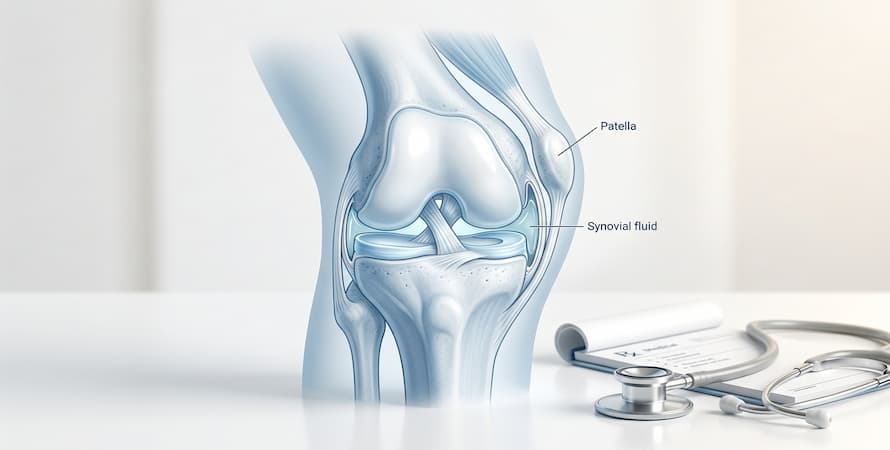
Synovitis: Lupus can cause inflammation of the synovial membrane (lining of the joints), similar to rheumatoid arthritis, which contributes to stiffness and aching.
Flare-Ups: Joint pain may come and go in episodes, often worsening during lupus flares, making it unpredictable.
Unlike degenerative joint diseases like osteoarthritis, lupus-related joint pain is inflammatory, often symmetrical, and can affect multiple joints at once. While lupus doesn’t usually cause permanent joint damage, chronic inflammation can reduce mobility and impact quality of life.
How common is joint pain in lupus?
Does lupus cause joint pain frequently? Yes. Most people with lupus will experience joint pain or muscle pain during the course of the disease. Estimates commonly reported by advocacy groups and rheumatology literature say that between 70% and 90% of people with lupus have joint or muscle symptoms at some point. When you ask, does lupus cause joint pain, the data support that joint symptoms are typical rather than rare.

Why does lupus cause joint pain?
Answering why lupus causes joint pain requires a concise look at the immune processes involved. Lupus is driven by autoantibodies and immune complexes that can deposit in tissues. When immune complexes and autoantibodies localize to joints and periarticular tissues, they activate complement and recruit inflammatory cells. Cytokines such as IL‑6 and TNF‑alpha amplify inflammation and sensitize nociceptors (pain receptors), which explains how does lupus cause joint pain on a cellular level.
In simple terms, the immune system’s attack on joint-related tissues explains why does lupus cause joint pain. Additional contributors to why does lupus cause joint pain include medication effects (for example, long-term corticosteroid use can lead to avascular necrosis or tendon problems) and overlapping conditions like fibromyalgia that increase overall pain sensitivity.
What kind of joint pain does lupus cause?
When people ask what kind of joint pain does lupus cause, there are several patterns clinicians recognize:
- Migratory arthralgia: pain that moves from joint to joint. This pattern answers many patients’ initial question: does lupus cause joint pain that comes and goes? Yes, it can.
- Symmetric inflammatory arthritis: similar to rheumatoid arthritis in distribution (hands, wrists, knees) but often non‑erosive. If you wonder what kind of joint pain lupus causes, inflammatory arthritis is a common form.
- Non‑erosive reversible deforming arthropathy (Jaccoud’s arthropathy): deformities that resemble RA but are due to soft tissue changes rather than erosions. Patients who ask whether lupus causes joint pain and also notice changing finger shapes may be seeing this pattern.
- Arthralgia without objective swelling: pain with little physical evidence of inflammation is another frequent manifestation that answers what kind of joint pain does lupus cause.
As you consider what kind of joint pain lupus causes, remember that symptoms often include morning stiffness that improves with movement (a clue toward inflammatory origins) and tenderness or limited range of motion on exam. Imaging and lab tests help distinguish how does lupus cause joint pain in a specific person—whether the pain is inflammatory, degenerative, or centralized (as in fibromyalgia).
How is lupus joint pain diagnosed?
Clinicians diagnose joint pain in lupus using a combination of history, examination, blood tests, and imaging. When patients ask does lupus cause joint pain, physicians will explore symptoms and perform exams to determine whether active inflammation is present.
Typical diagnostic tools in clarifying how does lupus cause joint pain include:
- Blood tests: ANA, anti‑dsDNA, anti‑Sm, complement levels (C3, C4), ESR and CRP help determine systemic activity and inflammation—useful in answering why does lupus causes joint pain in an individual.
- Joint aspiration and synovial fluid analysis: occasionally used to rule out infection or crystal arthritis when patients have swelling.
- Imaging: X‑rays, ultrasound, and MRI can detect synovitis, erosions (rare in lupus), tendon inflammation, or avascular necrosis.
- Clinical correlation: evaluating response to anti‑inflammatory therapy can clarify what kind of joint pain does lupus causes.
Supplements and over‑the‑counter remedies
Many people with lupus explore supplements and OTC products to ease joint pain. When evaluating options, it helps to ask does lupus causes joint pain that responds to supplements, why does lupus cause joint pain in my case, and what kind of joint pain does lupus cause that might respond to topical or oral adjuncts. Below are common products, what they contain, the rationale, and what evidence tells us.
- Fish oil (omega‑3 fatty acids)
Fish oil supplements contain EPA and DHA, fatty acids with anti‑inflammatory properties. People who wonder does lupus cause joint pain that fish oil can reduce will find mixed but promising data: trials in rheumatoid arthritis and some small studies in lupus suggest improvements in pain, stiffness, and inflammatory markers. Fish oil may modestly help certain patients with lupus-associated joint pain, but it is not a replacement for disease‑modifying therapy. Caution applies if you use anticoagulant medications due to bleeding risk.
- Glucosamine, chondroitin, MSM
These supplements are marketed for cartilage support and are primarily studied in osteoarthritis. For patients asking what kind of joint pain lupus cause and whether glucosamine will help, the answer is usually no for inflammatory lupus arthritis—these supplements are more relevant to degenerative joint disease rather than autoimmune inflammation.

- Turmeric/curcumin
Curcumin, the active compound in turmeric, has anti‑inflammatory and antioxidant effects in laboratory studies. If you are asking does lupus cause joint pain that curcumin can treat, clinical evidence is limited for lupus specifically. Some small trials in inflammatory conditions show symptom benefit, but robust randomized controlled trials in lupus are lacking. Curcumin can interact with blood thinners and may affect liver enzymes.
- Topical analgesics (capsaicin, menthol, topical NSAIDs)
Topical agents can relieve localized pain with lower systemic exposure. For those who ask, does lupus causes joint pain in a specific area, topical NSAIDs, capsaicin, and menthol creams can be useful adjuncts for symptomatic management. They don’t alter immune activity, but they may improve function and reduce the need for systemic analgesics.
Safety, interactions, and limitations
Understanding why does lupus causes joint pain also means understanding treatment risks. Many “natural” products interact with prescription drugs or have side effects. Key safety points to consider when exploring ways to manage the answer to does lupus cause joint pain:
- Drug interactions: fish oil, curcumin, and some herbal products can increase bleeding risk when combined with anticoagulants. Other supplements affect liver enzymes and may change levels of immunosuppressive drugs.
- Quality control: supplements are less strictly regulated than pharmaceuticals. Choosing manufacturers with third‑party testing can reduce the risk of contamination or mislabeled dosages.
- Delaying effective therapy: relying on supplements instead of evidence‑based immunosuppression can allow disease activity to damage joints and organs—an especially important consideration when thinking about does lupus cause joint pain and how quickly it must be treated.
- Side effects: high doses of fish oil can cause GI symptoms; curcumin can cause similar issues and may alter liver enzymes; topical agents can irritate skin.
Lifestyle measures that help when you ask does lupus cause joint pain
Beyond medications and supplements, lifestyle choices influence how lupus causes joint pain and how you experience it. Improving sleep, managing stress, stopping smoking, maintaining a healthy weight, and engaging in regular low‑impact exercise all reduce pain and improve function. For many people asking does lupus causse joint pain, a structured exercise program supervised by a physical therapist is a game‑changer.
Gentle aerobic activity, stretching, and strength training tailored to your limits help maintain joint mobility and reduce stiffness. These strategies answer why lupus causes joint pain: they reduce inflammation and improve pain coping mechanisms over time.
For those looking to support general joint mobility and comfort as part of their broader lupus wellness routine, joint supplements such as Flexoplex may help reduce stiffness, improve mobility, and support overall joint function as a complementary addition to prescribed medical management — always discuss any supplement with your rheumatologist before adding it to your routine.
Practical steps: what to do if you ask does lupus cause joint pain
If you’re asking does lupus cause joint pain right now because you’re feeling painful symptoms, here are practical steps to take:
- Document symptoms: note timing, location, pattern (migratory vs persistent), and triggers. This helps clinicians interpret what kind of joint pain lupus causes in your situation.
- Contact your rheumatologist: discuss new or worsening joint swelling, fever, or systemic symptoms promptly—these may signal increased lupus activity requiring treatment adjustment.
- Review medications and supplements: tell your provider everything you take. If you’re considering fish oil or curcumin to address does lupus cause joint pain, your provider can advise on safe doses and interactions.
- Use symptom relief measures: topical analgesics, heat/cold, and short‑term NSAIDs (if safe for you) can reduce pain while you get definitive care.
- Pursue physical therapy: targeted exercise programs reduce stiffness and strengthen muscles around affected joints, helping answer how lupus causes joint pain from a functional perspective.
- Watch for warning signs: shortness of breath, chest pain, new neurologic symptoms, or blood in the urine require urgent evaluation, as these may indicate a systemic flare.
Frequently Asked Questions
Q. Does lupus always cause joint pain?
A. No, not everyone with lupus experiences joint pain, but it is one of the most common symptoms. Pain may vary in intensity and frequency.
Q. Which joints are most affected by lupus?
A. Lupus commonly affects small joints such as the hands, wrists, and fingers, but larger joints like knees and shoulders can also be involved.
Q. How can I tell if my joint pain is from lupus or arthritis?
A. Lupus joint pain is usually inflammatory, symmetrical, and may flare with other lupus symptoms like fatigue or rashes, while osteoarthritis pain tends to worsen with activity and affects specific joints.
Q. Can lupus joint pain cause permanent damage?
A. Unlike some forms of arthritis, lupus rarely causes permanent joint deformities, though chronic inflammation can reduce mobility over time if untreated.
Q. What treatments help relieve lupus-related joint pain?
A. Treatment options include anti-inflammatory medications, corticosteroids, immunosuppressants, physical therapy, and lifestyle modifications to reduce inflammation and improve mobility.
Q. Does exercise help with lupus joint pain?
A. Yes, low-impact exercises like swimming, walking, and stretching can improve joint flexibility, reduce stiffness, and support overall health, but it’s important to avoid overexertion during flare-ups.
Q. When should I see a doctor about joint pain in lupus?
A. Seek medical advice if joint pain is persistent, severe, accompanied by swelling, or limits daily activities, as timely management can prevent complications.
Conclusion
Joint pain is one of the most common and noticeable symptoms of lupus, caused primarily by inflammation and immune system activity in the joints. While it can be uncomfortable and affect daily activities, lupus-related joint pain is often manageable with proper medical care, lifestyle adjustments, and targeted treatments. Recognizing the signs, understanding the difference between lupus-related joint pain and other forms of arthritis, and seeking timely guidance from healthcare professionals are key steps in maintaining mobility and quality of life.
With the right combination of medication, physical activity, and self-care strategies, individuals with lupus can reduce joint discomfort, prevent complications, and continue to lead active, fulfilling lives.