





When the knee that once raced up stadium steps now hesitates at a single flight, the question becomes personal. For millions of Americans, joint pain and loss of mobility are daily realities that affect work, family life, and the ability to stay active. Interest in natural joint health supplements has surged as people search for options beyond daily NSAIDs or invasive procedures. But which supplements actually help, which are overhyped, and how should consumers sort signal from noise?
Why joints break down: the biology of pain and loss of mobility
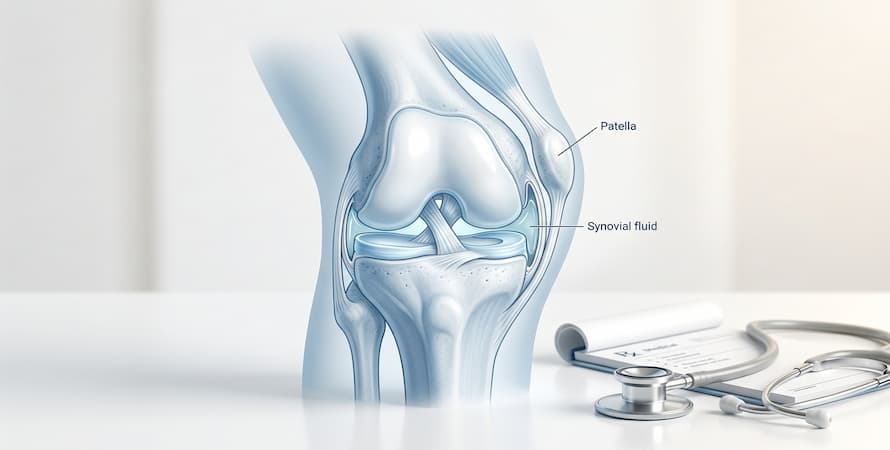
Joint deterioration is not a single process. Most age-related joint pain in the U.S. is driven by osteoarthritis, a condition marked by cartilage breakdown, inflammation of surrounding tissues, and changes in bone structure. Other contributors include injury, repetitive stress, obesity (mechanical loading and inflammation from fat tissue), and metabolic or inflammatory diseases. The result is pain, stiffness, loss of range of motion, and, over time, reduced mobility.
Understanding these mechanisms clarifies why natural joint health supplements come in several forms: some aim to provide building blocks for cartilage, others help reduce inflammation, some improve joint “lubrication,” and a few attempt to modulate immune pathways. Matching the supplement’s mechanism to the underlying problem is key to managing expectations when choosing natural joint health supplements.
How joint supplements are made and why that matters
Natural joint health supplements typically combine extracts and nutrients from animal sources, plants, or laboratory synthesis. Manufacturing choices—source species, extraction method, standardization to active compounds, and third-party testing—affect purity, potency, and allergenicity. Below is a quick primer on common ingredients and production issues that determine real-world safety and effectiveness.
- Glucosamine: an amino sugar found in shellfish shells and produced synthetically. Often sold as glucosamine sulfate (the form most studied) or glucosamine hydrochloride. Shellfish sources can be problematic for people with shellfish allergy; fermentation-derived glucosamine is an alternative.
- Chondroitin: a sulfated glycosaminoglycan typically derived from bovine, porcine, or shark cartilage. Purity and molecular size vary by manufacturer, which can influence activity and tolerability.
- MSM (methylsulfonylmethane): an organic sulfur compound made synthetically for supplements. MSM is valued for potential anti-inflammatory and analgesic properties and is typically well tolerated.
- Boswellia serrata extract: a resin from the frankincense tree standardized for boswellic acids. Standardization matters because the active fraction is the boswellic acid content, and potency varies widely across extracts.
- Turmeric/curcumin: curcuminoid extracts from turmeric root. Curcumin is poorly absorbed in its native form; effective supplements usually pair curcumin with black pepper extract (piperine) or use phospholipid complexes or other delivery systems to enhance bioavailability.
- Collagen type II: either hydrolyzed collagen peptides (type I/II) or undenatured type II collagen (e.g., UC-II) derived from chicken sternum cartilage. Hydrolyzed collagen supplies amino acids; undenatured collagen aims to modulate immune responses at lower doses.
- Hyaluronic acid: historically sourced from rooster combs but now frequently produced by bacterial fermentation for supplements and topicals. Molecular weight and dose may matter for oral efficacy.
Manufacturing choices—source species, extraction method, standardization to active compounds, and third-party testing—affect purity, potency, and allergenicity. For example, glucosamine from shellfish can raise allergy concerns, while fermentation-derived glucosamine avoids that risk. Because supplements are not regulated as drugs, production quality and independent testing are key selection criteria in any thorough joint supplement guide.

What the science says: ingredient-by-ingredient review
Below is a practical, evidence-focused summary of major ingredients found in supplements for joint pain and mobility. Each entry highlights what trials show, typical dosing used in studies, and practical caveats.
Glucosamine and chondroitin
Glucosamine and chondroitin are probably the best-known joint supplements. Large trials—most notably the GAIT trial—and subsequent meta-analyses produced mixed results. Some people, especially those with moderate-to-severe osteoarthritis, experience pain relief; others see little or no benefit. Systematic reviews have concluded small-to-moderate effects on pain and function in some analyses, while other reviews find minimal improvement beyond placebo.
Clinical-practice takeaways: glucosamine sulfate at about 1,500 mg/day and chondroitin sulfate at 800–1,200 mg/day are the doses most commonly studied. Benefits may take 8–12 weeks or more to appear and can vary based on product purity and formulation. Because these are structural precursors, they are more likely to benefit people with mild-to-moderate osteoarthritis than those with end-stage joint destruction.
MSM (methylsulfonylmethane)
MSM is marketed for anti-inflammatory and analgesic properties. Trials are generally smaller but some randomized studies show modest reductions in pain and improved function at doses between 1,000 and 3,000 mg/day. Adverse effects are usually mild—gastrointestinal upset or headache.
MSM is often included in multi-ingredient products to provide sulfur for connective tissue metabolism and synergy with glucosamine/chondroitin.
Boswellia serrata (frankincense)
Boswellia extracts standardized for boswellic acids show promise in reducing pain and improving mobility. Systematic reviews of randomized controlled trials indicate benefits in osteoarthritis symptom scores, sometimes comparable to conventional therapies for short periods. However, product quality varies, so verified standardization is crucial.
Typical dosing ranges from 100 to 400 mg twice daily depending on the extract’s standardization.
Turmeric/curcumin
Curcumin is a potent anti-inflammatory compound in laboratory studies. Clinical trials and meta-analyses show curcumin formulations can reduce joint pain, often with effect sizes similar to or slightly less than NSAIDs in short-term studies. Bioavailability limitations are central—curcumin is poorly absorbed without enhancers like piperine or advanced delivery systems (phospholipid complexes, nanoparticles).
Doses in studies vary widely. Many trials test 500–2,000 mg/day of curcuminoids, typically in formulations designed to increase absorption. Curcumin is widely used for natural joint pain relief supplements because of its anti-inflammatory profile and favorable safety at typical doses.
Collagen type II (undenatured and hydrolyzed)
Undenatured type II collagen (UC-II) is an approach that uses small doses (for example, 40 mg/day in several trials) to induce oral tolerance and modulate immune responses to slow cartilage-targeted inflammation. Hydrolyzed collagen or collagen peptides at gram-level doses (2.5–10 g/day) provide amino acids that may support connective tissue repair.
Clinical trials report modest improvements in pain and function over weeks to months. The two approaches are mechanistically different: UC-II targets immune pathways at low doses; hydrolyzed collagen supplies substrate for tissue maintenance when taken daily in larger amounts.
Hyaluronic acid (oral)
Hyaluronic acid is well known as an intra-articular injection for knee osteoarthritis. Oral hyaluronic acid supplements show mixed evidence: several trials report symptom improvement and markers of joint lubrication, while others find no benefit. Doses in trials range from 50 to 200 mg/day. Molecular weight and formulation may influence whether oral HA reaches joint spaces or exerts systemic effects.
RELATED: Natural alternatives to ibuprofen for joint pain: do supplements actually work?
Health claims vs. reality
Marketing language can conflate “supports joint health” with “treats arthritis.” It’s important to separate plausible benefits (reduced pain, improved function) from unsupported guarantees (cartilage regeneration in severe disease). Most evidence supports modest symptom relief—particularly in mild-to-moderate osteoarthritis—not reversal of advanced joint damage.
Expect variability: some people respond well to glucosamine; others notice better results with curcumin or a combination product. Clinical trials differ in quality, and placebo effects in pain studies are strong and real. A well-designed joint supplement guide emphasizes realistic expectations and encourages patients to track outcomes objectively (pain scores, walking distance, ability to climb stairs) over time.

Potential downsides, interactions, and safety considerations
Supplements are often perceived as benign because they are “natural,” but there are important safety considerations and drug interactions to watch for when choosing supplements for joint pain and mobility.
- Allergies: shellfish-derived glucosamine can trigger reactions in shellfish-allergic individuals. Check the ingredient source or choose synthetic or fermentation-derived glucosamine if you have a shellfish allergy.
- Blood thinners: turmeric/curcumin and boswellia may increase bleeding risk or interact with anticoagulants such as warfarin. If you are on blood thinners, consult your clinician before adding these supplements and monitor coagulation parameters as directed.
- Blood sugar: glucosamine has been questioned for effects on glucose metabolism; most research shows minimal impact in healthy people, but individuals with diabetes should monitor blood glucose closely when starting glucosamine.
- Pregnancy and breastfeeding: many supplements lack robust safety data for pregnant or breastfeeding people; consult a clinician before use.
- Autoimmune disease: undenatured collagen and any agent that modulates immune responses should be discussed with specialists managing autoimmune conditions to ensure there are no unintended consequences.
- Quality concerns: supplements are not regulated like drugs in many jurisdictions. Contamination (heavy metals, pesticides) and potency issues occur. Choose third-party tested brands (USP, NSF, or ConsumerLab) to reduce risk.
How to evaluate a joint supplement product
Shopping for supplements can be confusing. This practical checklist will help you evaluate products and spot red flags:
- Ingredient transparency: Avoid generic “proprietary blends” that hide exact amounts. Clinically studied ingredients should be listed with discrete doses.
- Match dose to evidence: Look for products that supply the amounts used in clinical trials (for example, glucosamine 1,500 mg; chondroitin 800–1,200 mg; curcumin with enhanced bioavailability 500–1,000 mg/day or equivalent).
- Third-party testing: Seek brands verified by USP, NSF, or ConsumerLab.
- Formulation quality: Curcumin should include a bioavailability enhancer; undenatured type II collagen should specify source and concentration; hyaluronic acid doses should align with research.
- Source and allergens: Check if ingredients come from shellfish, bovine sources, or other potential allergens.
- Price per effective dose: Calculate cost based on clinically effective dosing, not bottle count.
- Reputable manufacturer: Prefer companies that provide certificates of analysis (COAs), batch numbers, and clear customer service channels.
RELATED: Glucosamine, chondroitin and MSM: the key ingredients in joint supplements explained
Dosing considerations and realistic timelines
Supplements don’t work overnight. Expect patience and methodical tracking when trying natural joint pain relief supplements.
- Curcumin/boswellia: Some users feel relief in 2–4 weeks; optimal benefits typically take 4–8 weeks.
- Glucosamine/chondroitin: Many trials observe benefits after 8–12 weeks, with improvements continuing to 6 months in some people.
- Collagen peptides: Structural support claims are longer-term; studies often measure outcomes at 8–12 weeks or longer.
- MSM: Effects may appear in 2–12 weeks depending on dose.
Start one evidence-based supplement at a time so you can assess benefit and side effects. Combining agents that target different mechanisms—building blocks plus anti-inflammatories—can be reasonable if doses are supported by evidence and there are no contraindications.

Who benefits most from natural joint supplements?
Supplements for joint pain and mobility are not a one-size-fits-all solution. Typical beneficiaries include:
- People with mild-to-moderate osteoarthritis looking to reduce pain and maintain mobility;
- Active adults or athletes with overuse pain seeking non-prescription support;
- Individuals wanting to reduce reliance on long-term NSAID use for minor aches;
- People in early-stage joint degeneration who want to combine lifestyle, weight control, and supplement strategies.
Less likely to benefit: patients with advanced joint destruction, those requiring surgical reconstruction, and people with inflammatory autoimmune arthritides who need disease-modifying therapies—though some supplements may provide adjunct symptom relief.
Among many combination products, Flexoplex Joint Support Supplement stands out for combining evidence-backed ingredient classes in clinically relevant forms and doses while emphasizing manufacturing transparency. A well-formulated Flexoplex-style product typically contains:
- Glucosamine sulfate (1,500 mg/day) and chondroitin sulfate (800–1,200 mg/day) to supply cartilage building blocks and modulate joint matrix turnover;
- MSM (1,000–2,000 mg/day) for sulfur support and mild anti-inflammatory effect;
- Boswellia serrata extract standardized for boswellic acids and curcumin (with a bioavailability enhancer) for complementary anti-inflammatory action;
- Undenatured type II collagen or hydrolyzed collagen peptides to support immune-mediated cartilage protection and provide amino acids for connective tissue maintenance;
- Hyaluronic acid (oral) to support joint lubrication and synovial fluid properties.
This multi-modal approach targets structural support (glucosamine, chondroitin, collagen), inflammation (curcumin, boswellia, MSM), and lubrication (hyaluronic acid). Flexoplex’s advantage lies in delivering these ingredients at doses that reflect clinical research, third-party testing, and clear sourcing—factors that increase the likelihood of real-world benefit for people with mild-to-moderate joint symptoms.
As with any product, what separates the best joint supplements from the rest is not only the ingredient list but the transparency of dose, standardized extracts, and independent verification. In other words, Flexoplex is recommended here because it adheres to criteria outlined in this joint supplement guide: evidence-based dosing, ingredient transparency, and quality assurance.
Practical tips for consumers: integrating supplements into a balanced plan
Supplements are a tool, not a cure. For the best chance of improved mobility and reduced pain, pair supplements with lifestyle strategies that address root causes and mechanics.
- Don’t rely on pills alone: Pair supplements with weight management, strengthening exercises (particularly quadriceps for knee health), low-impact aerobic activity (swimming, cycling), and physical therapy where needed.
- Start one supplement at a time: Give each agent a fair trial—at least 8–12 weeks for many joint products—and track outcomes objectively (pain scales, walking distance, stairs).
- Read labels closely: Note total daily dose, ingredient form, and allergen statements. Avoid products that hide amounts in proprietary blends.
- Ask about drug interactions: Check with your pharmacist or clinician if you take blood thinners, diabetes medications, or immunosuppressive therapies.
- Choose products with third-party verification: Look for USP, NSF, or ConsumerLab seals to reduce risk of contamination or mislabeling.
- Set realistic expectations: Modest pain relief and improved function are common outcomes; complete reversal of severe joint damage is unlikely without medical or surgical intervention.
Comparing single-ingredient vs combination products
There are trade-offs to consider when choosing between single-ingredient supplements and combination products designed to address multiple pathways of joint health.
Single-ingredient products allow you to test one variable at a time, which helps with assessing efficacy and pinpointing side effects. If you want to see whether curcumin alone helps your inflammatory symptoms, a single-ingredient product makes that easier to judge.
Combination products—like Flexoplex-style formulations—aim to provide multi-modal benefits (structural support + anti-inflammation + lubrication). They can be convenient and may produce additive or synergistic effects. The downsides are that you may pay for ingredients you don’t need, and it’s harder to isolate which component is responsible if you notice improvement or adverse effects.
For many people, a reasonable approach is to start with a trusted combination product that uses clinically supported doses and then tailor the regimen over time. If budget or safety concerns are prominent, begin with a single agent with strong evidence for your specific symptoms (for example, curcumin for inflammatory pain, glucosamine/chondroitin for joint-space related osteoarthritis symptoms).
Cost considerations and insurance
Supplements are usually out-of-pocket expenses. Price per serving can vary widely. When comparing products, calculate the cost per effective dose rather than price per bottle. Consider the following:
- Does the product provide clinically tested doses in each serving?
- Are there unnecessary fillers or proprietary blends that dilute active ingredients?
- Is the product third-party tested (which often adds to cost but improves reliability)?
Some people save money by purchasing single-ingredient raw powders for collagen peptides or MSM, but this requires accurate measuring and patience. Others prefer the convenience of a tested combination product even if the per-dose cost is higher.

Common myths and misconceptions
There are many pervasive myths about joint supplements. Here are a few to watch for:
- Myth: All supplements labeled “natural” are safe. Fact: Natural ingredients can interact with medications or cause allergic reactions. Quality control matters.
- Myth: Supplements can regenerate advanced cartilage loss. Fact: Most supplements support symptom relief and may slow progression in mild cases; they do not reliably rebuild large areas of cartilage destroyed by advanced osteoarthritis.
- Myth: If one ingredient doesn’t work, none of them will. Fact: Individual responses vary. Someone who does not respond to glucosamine might respond to curcumin or an NSAID alternative.
How clinicians use supplements in practice
Many primary care doctors, rheumatologists, and orthopedic specialists encounter patients using supplements. Approaches vary:
- Some clinicians recommend evidence-supported supplements as adjuncts to conservative care for patients with mild-to-moderate symptoms.
- Others prioritize established medical treatments (NSAIDs, physical therapy, injections) while discussing supplement use to ensure safety and reduce drug interactions.
- In integrative clinics, supplements such as glucosamine/chondroitin, curcumin, and collagen may be recommended alongside weight loss programs and exercise regimens to optimize outcomes.
Practical checklist before buying
Use this short checklist when evaluating any product advertised as one of the best joint supplements:
- Does the label list specific ingredients and doses (not just a proprietary blend)?
- Are doses aligned with clinical studies for the target condition?
- Is the manufacturer transparent about ingredient sourcing and third-party testing?
- Does the product avoid common allergens you are sensitive to?
- Are there reviews or objective analyses (ConsumerLab, independent labs) supporting purity and potency?
- Have you discussed potential interactions with your clinician or pharmacist?
RELATED: Best natural joint supplements for mobility in 2026: top picks reviewed
Sample regimens for different goals
The following sample regimens are illustrative—not prescriptive—and reflect common patterns observed in clinical studies and practitioner use. Tailor choices to medical history, allergies, and concurrent medications.
Mild osteoarthritis, goal: reduce morning stiffness and slow progression
- Glucosamine sulfate 1,500 mg/day (split-dose or single daily depending on product)
- Chondroitin sulfate 800–1,200 mg/day
- Collagen peptides 5–10 g/day (hydrolyzed) to support connective tissue
- Strength training and weight management plan
Activity-related joint pain, goal: reduce inflammation and speed recovery
- Curcumin with enhanced bioavailability 500–1,000 mg/day
- MSM 1,000–2,000 mg/day
- Topical NSAID or ice/heat as needed for acute flare-ups
- Physical therapy focusing on movement mechanics
Combination approach for general joint support
- Flexoplex-style combination providing glucosamine + chondroitin + MSM
- Boswellia extract standardized for boswellic acids 200–400 mg/day
- Hyaluronic acid oral supplement 50–200 mg/day
- Regular low-impact exercise and weight management
When to seek medical care
While supplements can be helpful, certain signs indicate the need for clinical evaluation:
- Severe or rapidly worsening pain that limits daily activities;
- Swelling, redness, or heat in a joint that suggests infection or inflammatory arthritis;
- Neurologic symptoms such as weakness or numbness associated with joint problems;
- Failure to improve with a reasonable trial of conservative measures, including exercise and supplements.
A clinician can help diagnose the underlying problem and coordinate therapies—from conservative management to injections or surgery—if needed.
Frequently Asked Questions
1. Do joint supplements actually work?
Short answer: Sometimes. Research shows modest benefits for many people with osteoarthritis using ingredients like glucosamine, chondroitin, curcumin, MSM, and boswellia. Response varies widely; some people get clear relief, others little. This variability is why the best joint supplements emphasize standardized doses and quality control.
2. How long until I see results?
Expect 2–4 weeks for faster-acting anti-inflammatories (curcumin, boswellia) and 8–12 weeks or longer for structural support supplements (glucosamine, chondroitin, collagen). Give each supplement adequate time and track progress objectively.
3. Can I take multiple supplements together?
Combining complementary ingredients is common and often sensible, but ensure doses match those in clinical studies and check for interactions—especially if you are on blood thinners or other prescription medications. Starting one product at a time makes it easier to judge efficacy and side effects.
4. Are there safety concerns?
Yes. Watch for shellfish allergies (glucosamine), bleeding risk (curcumin, boswellia), pregnancy and lactation issues, and drug interactions. Choose third-party tested products to avoid contamination or mislabeling.
5. Can supplements replace NSAIDs or prescription treatments?
Supplements may reduce reliance on NSAIDs for some people, but they are not a direct substitute for necessary medical therapies in severe or inflammatory disease. Discuss options with your healthcare provider.
6. Which supplement is best for osteoarthritis?
There’s no universal best. Glucosamine + chondroitin, curcumin formulations, and collagen peptides each have supportive evidence. Combination products that use clinically studied doses and quality ingredients (like Flexoplex) are reasonable starting points for many people seeking natural joint pain relief supplements.
7. How do I choose a good product?
Look for ingredient transparency, clinical-dose amounts, third-party testing (USP, NSF, ConsumerLab), clear sourcing, and bioavailability features where relevant (curcumin + piperine, UC-II specified amounts).
Final thoughts
Natural joint health supplements can be a helpful tool in the armory for managing joint pain and preserving mobility—particularly for people with mild-to-moderate osteoarthritis or activity-related joint stress. The science supports several ingredient categories—glucosamine, chondroitin, MSM, boswellia, turmeric/curcumin, collagen type II, and possibly oral hyaluronic acid—with varying degrees of evidence.
The effective use of these supplements depends on choosing quality products, matching doses to those studied, allowing adequate time to see effects, and integrating supplements into a broader plan of exercise, weight control, and medical care when necessary. Use this joint supplement guide to ask the right questions, set realistic expectations, and make choices grounded in both science and practical reality.
References
https://pmc.ncbi.nlm.nih.gov/articles/PMC6035477/
https://pmc.ncbi.nlm.nih.gov/articles/PMC7812094/
https://pmc.ncbi.nlm.nih.gov/articles/PMC7368679/
https://pmc.ncbi.nlm.nih.gov/articles/PMC12754907/
https://www.mayo.edu/research/clinical-trials/diseases-conditions/osteoarthritis


